
Caution: In Summer, It's Not Just the AC—These 5 Electronic Appliances in Your Home Could Also Turn into 'Time Bombs'..
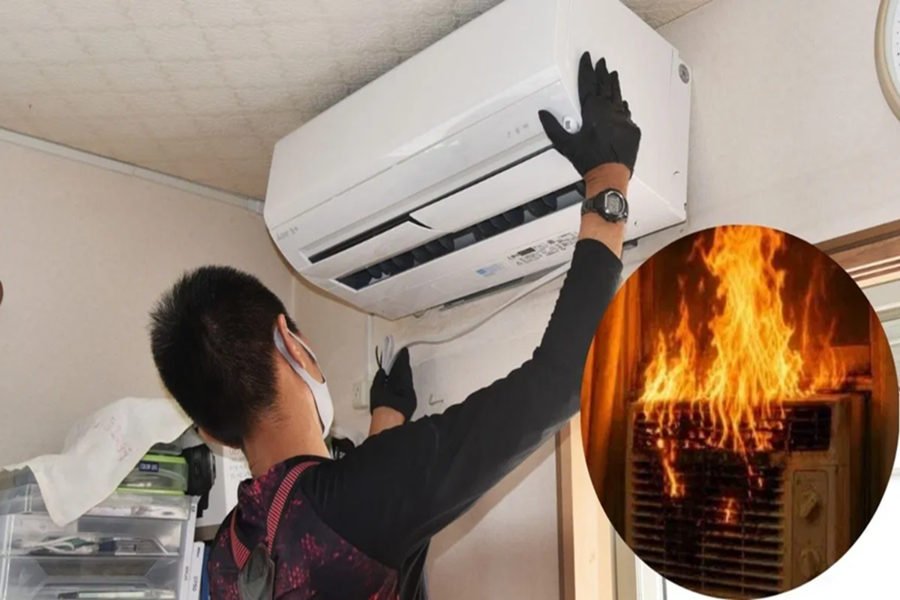
During the summer season, the scorching sun and rising temperatures not only make life miserable for humans but also pose a significant threat to the electronic appliances in our homes. The problem of appliances overheating is most prevalent during this time of year. When the outside temperature climbs past 40 to 45 degrees Celsius, the internal heat within these machines also begins to rise rapidly. While we frequently hear reports of air conditioners exploding, there are other household appliances that can also burst under conditions of extreme heat. Here, we highlight five such appliances to help you exercise caution while using them.
1. Refrigerator (Fridge)
After the air conditioner, the appliance that runs the most during the summer is the refrigerator. Often, refrigerators in homes are placed flush against a wall, preventing the compressor from receiving adequate airflow. In the summer, the compressor has to work much harder to keep the interior of the fridge cool, causing it to heat up significantly. If there is no space behind the unit for air circulation, the excessive heat can cause the compressor to explode.
Precaution: Always keep the refrigerator at least 6 inches away from the wall, and periodically disconnect the power supply to clean the coils located at the back of the unit.
2. Smartphone
Nowadays, reports of smartphones catching fire or exploding seem to surface almost every other day, and the frequency of such incidents increases significantly during the summer months. Mobile phones utilize lithium-ion batteries, which are highly sensitive to heat. If you leave your phone in direct sunlight or play games while it is charging, the device can overheat. People often leave their phones on a car's dashboard; inside a parked vehicle, temperatures can soar above 50 degrees Celsius, causing the battery to swell and potentially explode.
Precaution: Never leave your phone exposed to direct sunlight. Use the original charger and avoid using the phone while it is charging.
3. Power Bank
Just like smartphones, power banks also contain large lithium-ion batteries. People often leave their power banks in their cars or in the storage compartments of their bikes while traveling. During the summer, the temperature inside a closed storage compartment or car can become extremely high. Prolonged exposure to excessive heat and internal pressure can trigger chemical reactions inside the power bank, potentially leading to an explosion. The risk of a short circuit is even higher with cheap or unbranded (local) power banks.
Precaution: Always store your power bank in a cool and dry place. Never leave it inside a vehicle or in direct sunlight, and always purchase a power bank from a reputable brand.
4. Inverter Battery
During the summer, the usage of inverters increases significantly due to frequent power outages. When an inverter battery (typically a lead-acid battery) undergoes charging and discharging cycles, it releases hydrogen and oxygen gases. If the inverter is placed in an area with inadequate ventilation, these gases begin to accumulate. Due to the combination of high temperatures and a lack of ventilation, even a minor spark can trigger a major explosion. Additionally, low water levels within the battery can also pose a safety hazard.
Precaution: Always place the inverter and battery in an open, well-ventilated area. Regularly check the water level (using distilled water) in the battery and ensure that carbon deposits do not accumulate on the terminals.
5. Laptop
We often work on laptops for hours on end, causing the processor and battery to heat up considerably. During the summer season, the internal cooling fan—designed to keep the device cool—ends up drawing in warmer ambient air. Many people have a habit of working on their laptops while placing them directly on a bed, sofa, or pillow. This blocks the air vents located underneath the laptop, preventing the internal hot air from escaping. As a result, the battery or motherboard may overheat—potentially emitting smoke or catching fire.
Disclaimer: This content has been sourced and edited from Amar Ujala. While we have made modifications for clarity and presentation, the original content belongs to its respective authors and website. We do not claim ownership of the content.
