
Car Phone Charging: Be careful when charging your phone in the car! These mistakes are reducing your battery life; learn the right way..
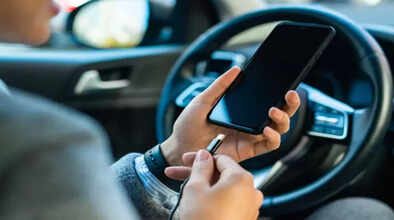
The electricity supplied by a car's engine is unstable. When you turn on the car's headlights or crank up the AC in the summer, the power fluctuates, which directly affects the phone's battery. Furthermore, the car's built-in USB ports provide very slow charging (0.5 Amp), causing the phone to overheat and potentially malfunction. Choosing the right adapter and cable is crucial to protecting your battery.
Why is charging in a car dangerous?
1. Power Fluctuations
The electricity from a home socket is stable, but in a car, the electricity comes from the alternator. Therefore, as the car's speed changes or you turn on another electronic device (such as headlights or wipers), the voltage fluctuates, and this surge reduces the lifespan of the phone's lithium-ion battery.
2. Slow Charging and Overheating
Most USB ports in cars are designed for data transfer (playing music), not for phone charging. They provide only 0.5 amperes of power. With such low current, it easily takes four to five hours to charge a phone. Being in charging mode for such a long time increases the phone's temperature, causing it to overheat, which can damage the battery.
What to do in this situation?
Choose the 12V socket instead of the USB port.
Nowadays, most modern cars have USB ports on the dashboard, but experts believe this is the worst option for charging. These ports are primarily designed for data transfer or the music system, supplying very little power (only 5 watts). Therefore, it's better to use the car's 12V cigarette lighter socket. By using a good-quality adapter in this socket, you can get 18W to 65W of power, allowing your phone to charge quickly and safely.
What to do to avoid overheating? The temperature inside a car is often higher than in a normal room. Therefore, when you charge your phone in the car, especially with a thick silicone or leather cover on, the heat generated inside the phone cannot dissipate. This heat gradually damages the battery's chemicals, and charging the phone becomes a necessity during long journeys. Therefore, removing the phone cover before charging it during a trip can be a wise step. This helps regulate the phone's temperature and extends battery life.
Never do these two things simultaneously:
During travel, people often use Google Maps while charging their phones. Technically, this is the most stressful situation for the phone's battery. During navigation, the phone's processor, GPS, and screen are constantly working, generating a lot of heat. Charging simultaneously doubles this heat. So, try to charge your phone to 80 percent and then remove it from the charger before using the map. If using the map is essential, place the phone in a holder near an AC vent so that it receives cool air.
Don't fall for fake fast charging claims:
Many cheap chargers are available in the market that claim to offer fast charging, but they don't support your phone's specific charging protocol (such as VOOC, Warp, or Samsung AFC). When the charger and phone are incompatible, a large portion of the energy is wasted as heat. A genuine and high-quality charger is usually a bit heavier and sturdier because it contains the necessary controller chips and heat sinks to regulate voltage.
A risk to your car's battery, too:
Charging your phone incorrectly is bad not only for your mobile but also for your car's health. If your car battery is old and you are charging your phone with the engine off, it can lead to deep discharge of the car battery. In such a situation, the battery voltage can drop so low that it becomes difficult to start the car again. Therefore, charging while the engine is running can prove to be a better option. This way, the power load will be directly on the alternator, not on the stationary battery.
Unplug before turning off the car.
After reaching your destination, remove the phone from the charger before turning off the car engine. And one important point: do not charge your phone by placing it on the car's dashboard, as direct sunlight and the heat from charging can combine to cause the phone to overheat and potentially explode.
Disclaimer: This content has been sourced and edited from Amar Ujala. While we have made modifications for clarity and presentation, the original content belongs to its respective authors and website. We do not claim ownership of the content.
