
Car Data: Smart Cars Are Breaching Privacy—Find Out How They Are Spying on You..
There was a time when driving a car was considered a symbol of freedom and personal space. Sitting inside a car, people felt a sense of detachment from the outside world. However, the landscape of modern automobiles has now undergone a complete transformation.
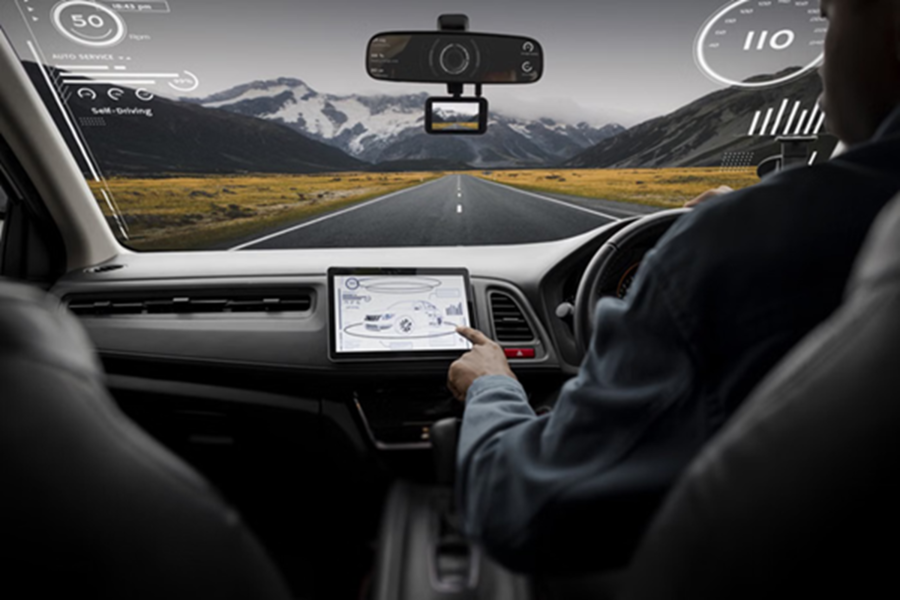
It would be inaccurate to simply label today's new vehicles as mere "cars"; rather, they function more like computers on four wheels. The sensors, cameras, and internet connectivity embedded within them are constantly gathering data related to the driver and passengers. Several major corporations are even leveraging this data as a source of revenue.
**Cars Are Recording Your Personal Data**
A careful review of car manufacturers' privacy policies reveals that these companies record not only driving-related data but also highly personal information.
Cars can track your destination, identify who is seated in the vehicle with you, detect whether or not you are wearing a seatbelt, and pinpoint exactly when you applied sudden brakes. Furthermore, details such as the vehicle's speed and the specific radio station you were listening to are also recorded.
Some modern vehicles have gone even further. They are capable of storing data regarding the driver's weight, age, facial expressions, and behavioral patterns. Many cars feature cameras positioned toward the driver's seat that monitor facial features and eye movements.
**Sharing Data with Insurance Companies**
Today, the vast majority of new cars are connected to the internet. Consequently, these vehicles can transmit data to data-processing firms in real time. This means that your activities may be recorded even while you are driving in a completely normal manner.
Experts warn that this is not merely a matter of privacy; it could also have direct financial implications. Car manufacturers often sell this data to third parties—specifically, insurance companies—which then analyze the driver's habits based on this information to determine insurance premiums.
If the system detects that a driver operates the vehicle in a high-risk manner, their insurance premiums may be increased.
**New Regulations to Boost Data Collection**
In the United States, a new federal law is poised to further accelerate this trend of data collection. Under this initiative, future cars may be equipped with infrared biometric cameras and advanced monitoring systems.
With the help of these systems, the driver's eyes, facial expressions, and behavior will be scanned. The objective is to detect whether the driver is fatigued or under the influence of intoxicants.
However, experts warn that this could enable companies to amass a massive database regarding people's health and personal habits. Currently, there are insufficient regulations in place to govern the usage of this data.
**Cars Have the Worst Privacy Policies: Study**
In 2023, Mozilla conducted a study analyzing the privacy policies of 25 car manufacturers. The report stated that not a single company met established privacy standards.
Mozilla categorized cars as products with the "worst privacy." According to the report, car companies may collect information such as names, ages, weights, financial details, facial expressions, and even psychological behaviors.
The privacy policy of the South Korean automaker Kia even explicitly states that the company could collect sensitive health-related and personal lifestyle information. However, the company maintained that it had never actually collected such data and that the policy was drafted solely to ensure legal transparency.
**Insurance Premiums Rise Due to Data Sales**
A prominent case involving data sharing recently surfaced, implicating General Motors. It was alleged that the company sold driver data to LexisNexis, a data brokerage firm. One driver claimed to have received a 130-page file detailing his driving history, which contained a complete record of his trips over six months. Subsequently, his insurance premium increased by 21 percent.
In response to this matter, the U.S. Federal Trade Commission took action, imposing a five-year ban on General Motors from selling data. However, other companies remain active in the data trade.
Disclaimer: This content has been sourced and edited from Amar Ujala. While we have made modifications for clarity and presentation, the original content belongs to its respective authors and website. We do not claim ownership of the content.
