
Can you install an EV charger in your housing society's parking area? Find out what to do if the society management refuses..
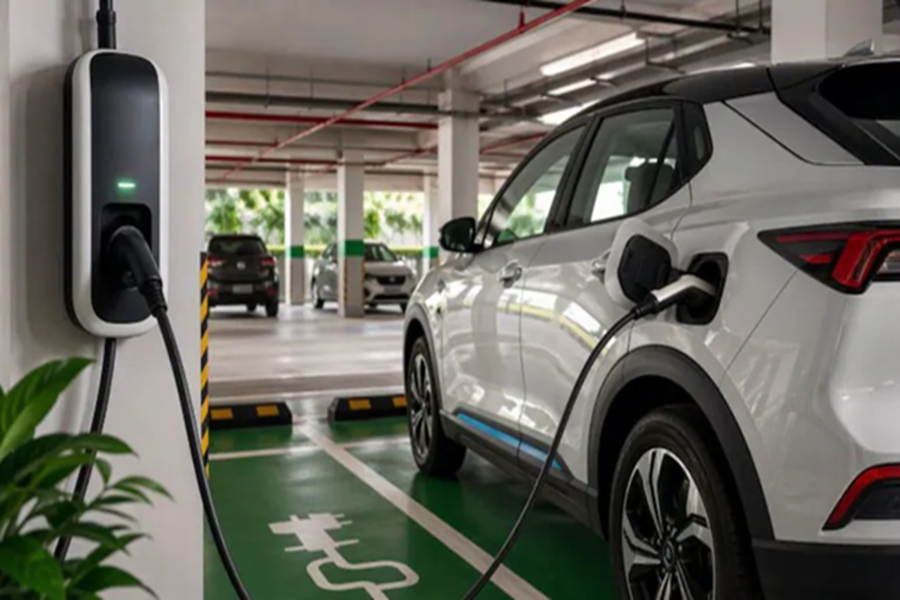
Electric Car Charging Stations: In today's times, the popularity of electric vehicles (EVs) is growing rapidly. Driven by rising petrol and diesel prices—and with a keen eye on environmental concerns—people are increasingly opting to purchase EVs. However, before acquiring an EV, a question often weighs on the minds of most prospective buyers: can they install a charging unit within their housing society's designated parking space? If you, too, are grappling with this very question, the following information is of vital importance to you.
**What Are Your Rights?**
According to government regulations, if you possess an *allocated* (designated) parking slot, you are entitled to install an EV charger there. As per the guidelines issued by the Ministry of Power, the housing society cannot outright deny your request. You have the option to power the charging unit either through your home's existing electricity meter or by installing a separate, dedicated meter. The only prerequisite is that you must adhere to the proper procedural protocol.
**Why Might the Society Object?**
Essentially, a building's overall electrical load capacity is finite. Furthermore, installing charging points in the basement could potentially heighten the risk of fire hazards or place excessive strain on the existing, older electrical wiring infrastructure. Citing these concerns, the housing society may raise objections regarding the installation of EV chargers within the parking area.
**So, What Should You Do?**
If you wish to proceed with the installation of a charger, you must follow a specific set of essential steps, such as:
**Submit a Written Application**
Begin by submitting a formal written application to your housing society's management committee. In certain states, regulations mandate that the society must issue a No Objection Certificate (NOC) within a stipulated timeframe—typically 7 days.
**Secure a Separate Electricity Connection**
Installing a dedicated meter specifically for your EV will ensure that the society's overall electrical load remains unaffected; moreover, it will significantly simplify the billing process.
**Ensure Proper Installation**
Install only those chargers that are certified by the manufacturer/company, and ensure that high-quality wiring and an MCB (Miniature Circuit Breaker—for circuit protection) are utilized during the installation process.
**Adhere to Safety Standards**
Strictly avoid overloading the electrical circuits and ensure full compliance with all applicable fire safety regulations.
**Who Bears the Cost?**
Typically, the entire cost associated with the installation process must be borne by the individual resident (you).
**What to Do If the Society Refuses?**
If the housing society rejects your request without providing a valid, substantive reason, you have the option to escalate the matter by contacting your local electricity distribution company (DISCOM). Additionally, you can file a complaint with the State EV Policy Department and, by citing the relevant regulations, demand a written response from the society.
Disclaimer: This content has been sourced and edited from TV9. While we have made modifications for clarity and presentation, the original content belongs to its respective authors and website. We do not claim ownership of the content.
