
Budget 2026: What are the tech sector's expectations from this year's budget? The focus will be on AI and manufacturing..
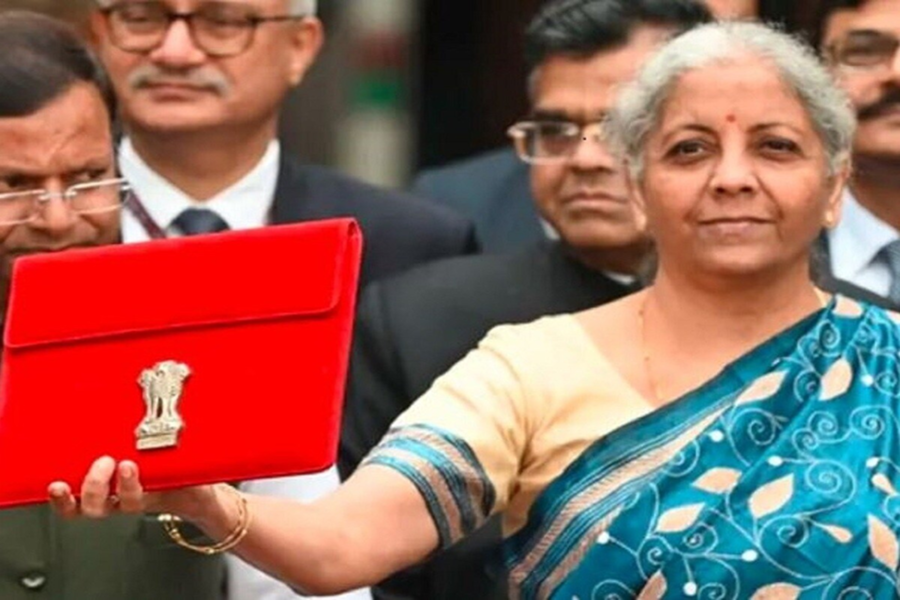
Budget 2026: This year's Budget 2026 is considered a crucial turning point for India's technology and manufacturing sectors. India aims to establish itself as a global hub for artificial intelligence, data centers, and digital infrastructure, but several structural hurdles remain. The industry believes the challenge is no longer a lack of capital, but rather issues related to power supply, regulatory approvals, and clear policies. Therefore, the tech sector is expecting significant and concrete announcements from Budget 2026.
AI and Data Centers: India's Digital Backbone
India is rapidly moving towards becoming a global center for AI, cloud computing, and digital public infrastructure. Data centers have become the most crucial link in this race. According to reports, approximately $67.5 billion in global investment is already flowing into India. Companies like Microsoft, Amazon, and Google have announced multi-billion-dollar AI and data center projects. Therefore, you can expect major announcements regarding AI and data centers in Budget 2026.
Power Supply: The Biggest Challenge
AI-based workloads have increased the power requirements of data centers manifold. An AI rack consumes five to six times more electricity than a traditional cloud system. This is why power supply and grid reliability have become the biggest concerns. Industry leaders believe the government needs to focus on affordable and reliable green power, separate tariff categories, and a fast-track approval system. Without stable power, no investment can be sustained in the long run.
Sustainability: No Longer an Option, But a Necessity
Sustainability in data centers and AI infrastructure is no longer just a formality. Global companies want low-carbon, water-efficient, and energy-saving infrastructure. Budget 2026 is expected to provide tax incentives for green data centers, accelerated depreciation, and support for new technologies like liquid cooling. Experts believe that if the right decisions are not made now, India could be stuck with carbon-heavy systems for decades. Data Sovereignty and Regulatory Clarity
Following the DPDP Act, data localization has become a major factor in India. Storing data within the country is now mandatory for banking, messaging, and many digital services. This has increased the demand for data centers, but regulatory ambiguity is slowing down investment. The industry wants clear and time-bound guidelines on data localization and cross-border data flows in Budget 2026 to strengthen the confidence of global companies.
Manufacturing, MSMEs, and Supply Chain Challenges
Budget 2026 will not be limited to the tech sector. The government faces the major challenge of boosting manufacturing and reducing the growing import dependence on China. Around 100 products have been identified where imports are high and domestic supply is weak. The MSME sector, which forms the basis of 46 percent of India's exports, is under the most pressure. The budget is expected to provide access to affordable loans, credit guarantees, and protection against tariff shocks.
Semiconductors and Rare Earths: The Battle for the Future
India has made progress in electronics, but semiconductors remain a weak link. The government has approved significant investments under the India Semiconductor Mission to accelerate chip manufacturing. Meanwhile, India possesses the world's third-largest reserves of rare earth minerals, but production is extremely low. Budget 2026 is expected to present a concrete roadmap for rare earth processing, magnet manufacturing, and critical mineral supply chains.
Disclaimer: This content has been sourced and edited from TV9. While we have made modifications for clarity and presentation, the original content belongs to its respective authors and website. We do not claim ownership of the content.
