
Beware of calls from these numbers; your bank account could be drained
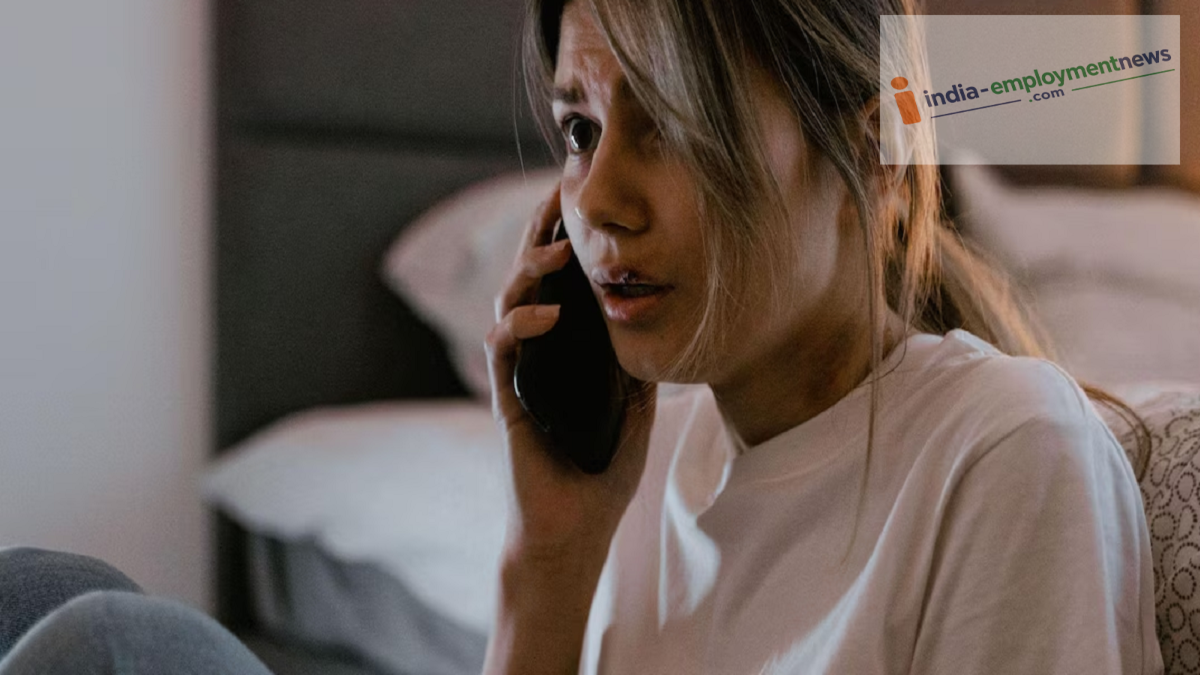
Stay alert against the new scam networks spreading across the country. Despite warnings from TRAI, fraudulent calls are still coming from foreign codes like +92 and +44, as well as unknown 10-digit numbers; a single mistake could wipe out your bank account.
Not every phone call can be trusted anymore. Cyber fraudsters are using various tactics to dupe people and empty their bank accounts. Surprisingly, many of these calls originate from numbers that, if recognized, could alert you right from the start. Let’s look at which numbers or codes require extra caution.
Calls from numbers with foreign codes
For some time now, there have been constant warnings regarding calls—including WhatsApp calls—originating from international codes like +92, +84, +62, and +60. While +92 is the country code for Pakistan, +84, +62, and +60 correspond to Vietnam, Indonesia, and Malaysia, respectively. Scammers using these numbers often initiate conversations by enticing victims with offers of free gifts, lottery wins, or unknown schemes. Although these calls do not necessarily originate from those specific countries—as they can be generated using virtual numbers—experts advise against answering calls from unknown numbers with these codes.
Calls posing as government officials or police
Another common method involves scammers posing as police officers, customs officials, or cyber cell personnel. This is also known as the "digital arrest" scam. Victims are told that a parcel addressed to them has been intercepted or that their Aadhaar or mobile number has been linked to a crime. By using intimidation tactics, scammers keep the victim on a video call and coerce them into transferring money or sharing an OTP.
Calls Claiming to be from Banks or Customer Care
Many scammers make calls posing as bank officials, credit card company representatives, or customer care agents from shopping apps. These calls are typically made under the pretext of offering refunds, cashback, or requesting KYC updates. During the conversation, scammers often try to get the victim to download screen-sharing apps or directly ask for UPI PINs or OTPs. Legitimate banks never ask for a PIN, OTP, or full card number over the phone.
What to do if you are suspicious?
If you receive such a call from an unknown number and feel suspicious, stay calm and do not share any personal information, OTPs, or PINs. The government has launched the 'Chakshu' facility on the 'Sanchar Saathi' portal to handle complaints regarding such fraudulent calls; anyone can report suspicious calls or messages there.
Additionally, you can seek immediate assistance by calling the National Cyber Crime Helpline number at 1930. Taking timely and appropriate action not only helps keep your bank account secure but also aids in curbing the activities of such scammers.
