
Before buying an air purifier, understand the difference between H13, H14, and HEPA-type filters—which one is better?
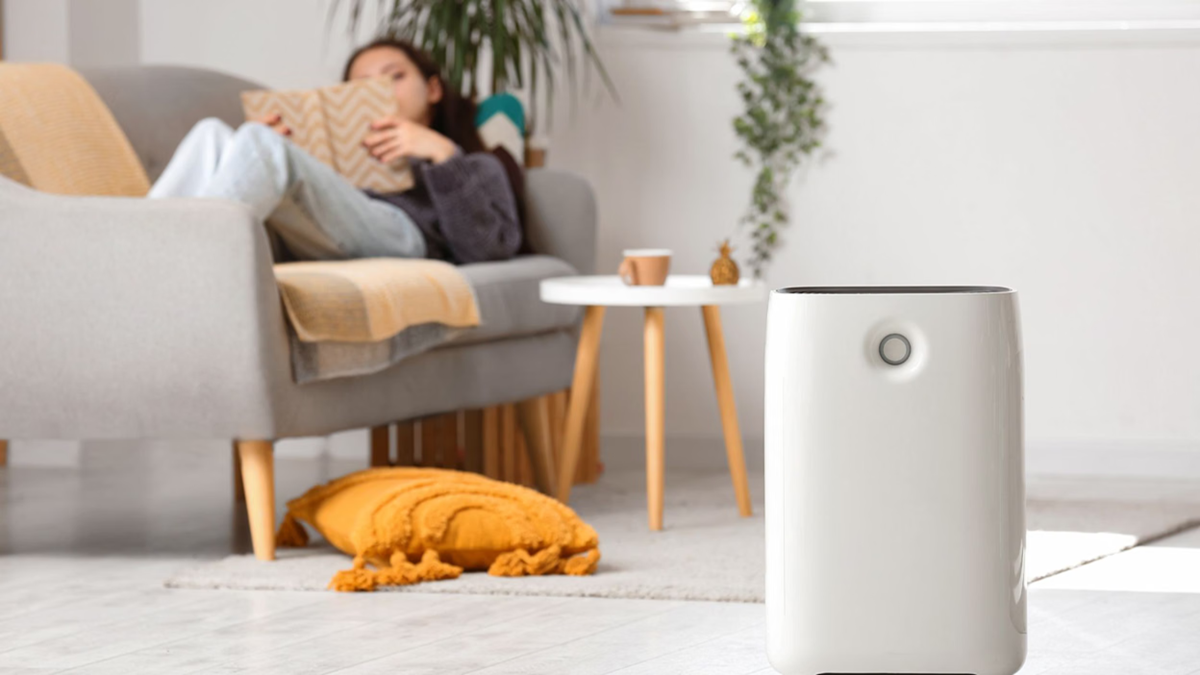
Since Diwali, the demand for air purifiers has been steadily rising across many cities in India as people seek to keep the air in their homes clean amidst increasing air pollution. Various companies are offering air purifiers in the market, equipped with different types of filters and a range of new features. Among these, terms like H13, H14, and "HEPA-type" filters are frequently mentioned.
Companies use these filters to improve air quality and provide protection against dust and particulate matter. However, it is important to understand the differences between these three types when purchasing an air purifier, so that you can choose the right device for your specific needs.
What is an H13 HEPA filter?
Starting with the H13, this is a high-efficiency HEPA filter capable of capturing even the tiniest particles present in the air. According to the European EN 1822 standard, an H13 filter can remove at least 99.95% of particles—even those of the most difficult-to-capture sizes. These filters help remove not only dust but also pollen and various other microscopic pollutants found in the air.
How much better is an H14 HEPA filter?
The H14 filter is considered more efficient and superior to the H13. Under the EN 1822 standard, it can filter out at least 99.995% of particles (at the MPPS—Most Penetrating Particle Size). This means its filtration capacity is higher than that of the H13. However, air purifiers equipped with H14 filters may also come at a higher price point.
What is a "HEPA-type" filter?
There is often a great deal of confusion surrounding "HEPA-type" filters. In reality, this is not a defined HEPA class; rather, companies may use this term for filters that claim to employ HEPA-like filtration technology, even if they do not necessarily meet the established standards for H13 or H14.
Disclaimer: This content has been sourced and edited from Dainik Jagran. While we have made modifications for clarity and presentation, the original content belongs to its respective authors and website. We do not claim ownership of the content.
