
Avoid these mistakes while making UPI payments, or your account could be emptied in minutes..
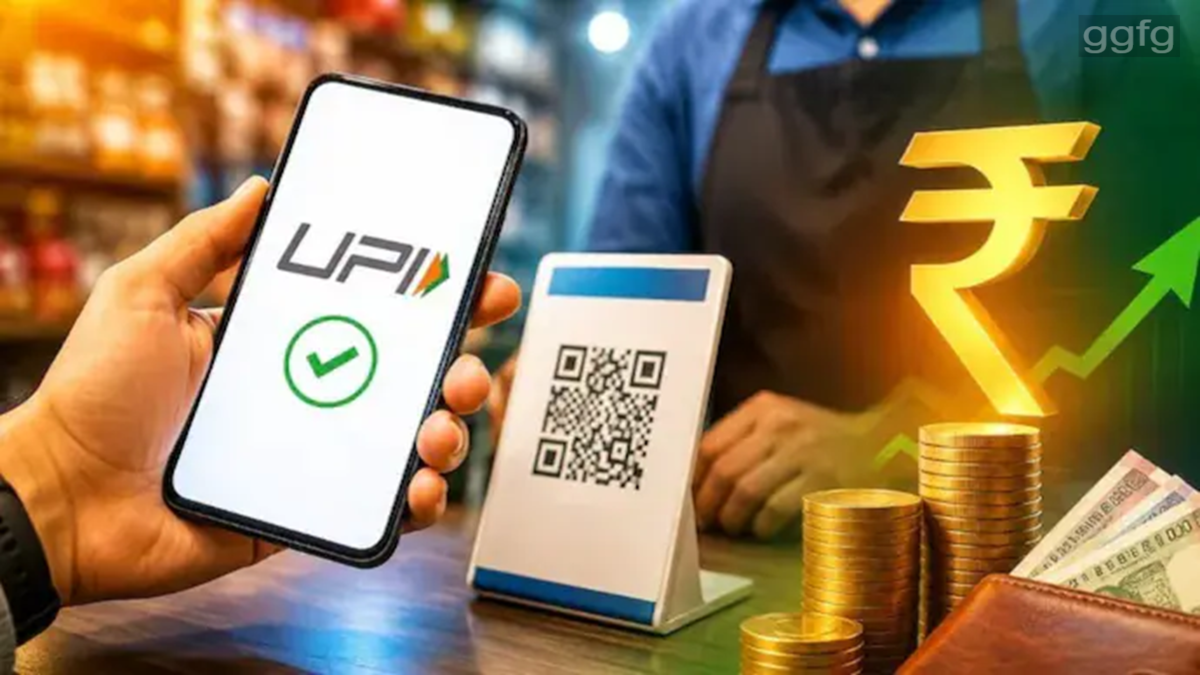
Over the past decade, a generation has emerged that fulfills all its banking needs solely through smartphones. The ease with which money transfers, bill payments, transactions, and online shopping are conducted today was unimaginable just a few years ago. At the core of these conveniences lies the UPI (Unified Payments Interface) system.
While this has made daily transactions faster and easier, it has also brought increased risks. Phishing messages, fake customer care calls, malicious links, social engineering scams, and fraudulent payment requests can cause significant financial loss in a matter of minutes. However, since the inception of UPI, there have been continuous improvements and enhanced security measures.
Recently, the RBI and the NPCI (National Payments Corporation of India) introduced the new UPI 'Tap-and-Pay' feature. This allows users to make payments at Point-of-Sale (PoS) terminals using NFC-enabled phones without even opening the UPI app. Similarly, the integration of AI-enabled safety features in 'My UPI' has made payment processing more secure than ever.
Structural reforms within the UPI system are also a key driver behind the MDR (Merchant Discount Rate) regulations coming into effect on October 15. Given the expanding scope of digital payments, such measures are essential to improve infrastructure, foster innovation, and enhance security.
Why Security Improvements Are Essential
More than 550 million users conduct over 24 billion transactions monthly via UPI. Data from the National Cyber Crime Reporting Portal reveals that fraud cases have surged from 260,000 in 2021 to approximately 2.8 million in 2025, with an annual value exceeding ₹22,000 crore. This is precisely why there is an increased emphasis on making digital transactions secure. An RBI discussion paper titled 'Examination of Security Measures to Prevent Fraud in Digital Payments' offers several suggestions, such as a one-hour delay for high-value transfers and requiring additional authentication by a 'trusted person' for transactions exceeding ₹50,000 for users like senior citizens.
The methods used for online fraud are constantly evolving. Nowadays, fraud often occurs through 'Authorized Push Payment' (APP), where users are manipulated or deceived into sending money. In real-time systems like UPI, recovering funds once sent is difficult, making the challenge for the digital payment ecosystem significantly greater.
The Speed-Security Dilemma
Everyone wants payments, money transfers, and online shopping transactions to complete within seconds. However, robust authentication, fraud screening, and risk assessment naturally require some time. The solution is not necessarily to slow down every payment; instead, payment platforms need to distinguish between low-risk transactions and suspicious activity.
Transactions from a known device should proceed normally, whereas verification becomes essential when sending large sums to a new recipient—a practice long established in traditional banking systems.
The Technology Security Layer
Modern payment security is no longer limited to simple passwords and one-time verification codes. Payment platforms utilize various signals to identify suspicious behavior, monitoring factors such as device details, transaction history, location patterns, spending habits, and changes in account activity.
In the event of potential fraud, automated systems can flag a transaction for additional verification or temporarily halt it. AI can analyze transactions to identify patterns that would be impossible to detect manually. We must understand that technology alone cannot eliminate fraud. Individuals themselves need to exercise caution before authorizing transactions. Falling for claims made in fraudulent messages or mistaking an imposter for a bank employee can lead to trouble for you.
Disclaimer: This content has been sourced and edited from Amar Ujala. While we modified it for clarity and presentation, the original content belongs to its respective authors and website. We do not claim ownership of the content.
