
Avoid these mistakes when buying a hair dryer; understand these points before making a purchase..
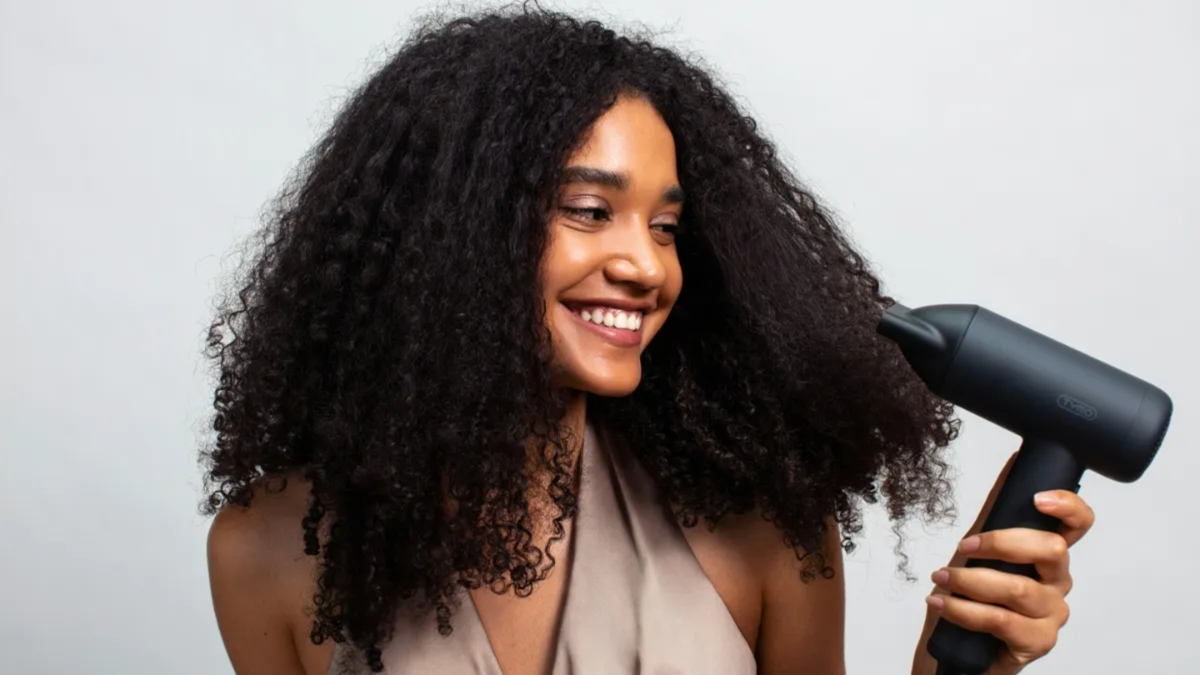
Nowadays, using a hair dryer to dry hair and achieve a desired style has become quite common. If you are considering purchasing a hair dryer, you will find a wide variety of options in the market, featuring different technologies, power levels, and attachments. Some hair dryers help reduce dryness and frizz, while others are designed to define curly hair or straighten and smooth out your locks. Additionally, there are tools like brush dryers, which allow you to dry and style your hair simultaneously. However, not every type of hair dryer is suitable for every hair type.
Hair Dryers with Different Technologies
There are various types of hair dryers available in the market, which you can choose based on your specific hair type:
Ionic Hair Dryers: These hair dryers utilize technology that generates negative ions. These ions break down water droplets on the hair's surface into smaller particles, allowing the hair to dry faster. Furthermore, they help reduce static electricity, which results in less tangling and a smoother appearance. This technology is particularly beneficial for thick, curly, or dry hair.
Ceramic Hair Dryers: These feature a ceramic coating or a ceramic heating element. Their primary function is to distribute heat evenly, ensuring that no single part of the hair is exposed to excessive temperatures. Some models even include temperature sensors to help regulate the heat. This technology is well-suited for fine, normal, or dry hair. For regular use, it is best to choose a model that offers adjustable heat and speed settings.
Tourmaline Hair Dryers: Tourmaline is a mineral used within the heating systems of certain hair dryers. Models featuring this technology generate negative ions and utilize infrared heat to dry hair. This helps reduce frizz and results in a smoother appearance. Generally, this technology is particularly useful for those with long, thick, or curly hair. However, models incorporating this technology tend to be more expensive.
Titanium Hair Dryers: Hair dryers equipped with titanium technology are known for heating up rapidly and providing a powerful airflow. Many of these models are lightweight, making them easier to handle during extended use. Such hair dryers are commonly found in professional salons. It is worth noting, however, that high-intensity heat can potentially damage thin or fragile hair; therefore, it is essential that such models include heat control settings. When purchasing one for home use, ensure it features options like adjustable heat settings and a 'cool shot' function.
Brush Dryers: A brush dryer combines the functions of a hair dryer and a styling brush. It uses a combination of hot air and a brush to dry hair while simultaneously shaping it as desired. Some models come with various brush attachments, which can be used to straighten hair, create curls, or add volume at the roots.
Consider Technical Features
When purchasing a hair dryer, be sure to take certain technical features into account.
Wattage and Motor: The wattage of a hair dryer relates to its power consumption and the capacity of its heating system. For home use, models ranging from 1800 to 2000 watts are generally good choices. A model with a strong airflow is particularly effective for drying thick or long hair. That said, a higher wattage does not always guarantee a better hair dryer. Motor quality and airflow are also important.
Heat and speed control: A good hair dryer should offer various heat and airflow speed options. Lower temperatures are suitable for thin or fragile hair, while a stronger airflow can be selected for drying thick hair. Having different settings makes it easy to use the dryer according to the specific needs of your hair.
Digital Motors and Heat Sensors: Some premium hair dryers feature digital or high-speed motors, which help provide a powerful airflow. Meanwhile, heat sensors continuously monitor and regulate the air temperature, reducing the risk of exposing your hair to excessive heat. When purchasing, check the information provided by the manufacturer regarding heat control features.
Cool Shot and Filters: The 'cool shot' button on a hair dryer releases a blast of cool air, typically used after styling to help set your hairstyle in place. Additionally, the air filter located at the back of the dryer prevents dust and hair from reaching the motor. Models with removable filters are also easier to clean.
Choosing a Hair Dryer Based on Your Hair Type
For thin or fragile hair, look for models that offer ceramic technology, lower temperature settings, and adjustable speeds. For thick or long hair, a dryer with a powerful motor and strong airflow is a better choice. If you have curly hair, consider a model that includes a diffuser attachment and utilizes ionic or ceramic technology. For dry or damaged hair, opt for a model that offers lower temperature settings and effective heat control.
How to Use a Hair Dryer
Before using a hair dryer, gently blot excess water from your hair using a soft towel. Next, apply a heat protectant to minimize any potential damage from the hot air. It is best to divide your hair into smaller sections while drying. Keep the dryer at an appropriate distance from your hair, and avoid holding it in one spot for too long.
Select a low or medium temperature setting based on your hair type. Instead of keeping the dryer fixed in one position, move it along the length of your hair; this helps prevent any single area from being exposed to excessive heat. To straighten and smooth your hair, use a round or paddle brush along with a concentrator nozzle. For curly hair, a diffuser is a better choice. Once your hair is nearly dry, switch to the 'cool shot' setting; this helps to set and finish your hairstyle.
When using a hair dryer, avoid using excessively hot air, and ensure the air inlet is not covered by your hands or any other objects. Clean the filter periodically and keep the device away from water.
Disclaimer: This content has been sourced and edited from Dainik Jagran. While we have made modifications for clarity and presentation, the original content belongs to its respective authors and website. We do not claim ownership of the content.
