
AVAS in EVs: The silence of electric vehicles will now end; a special 'sound system' will have to be installed..
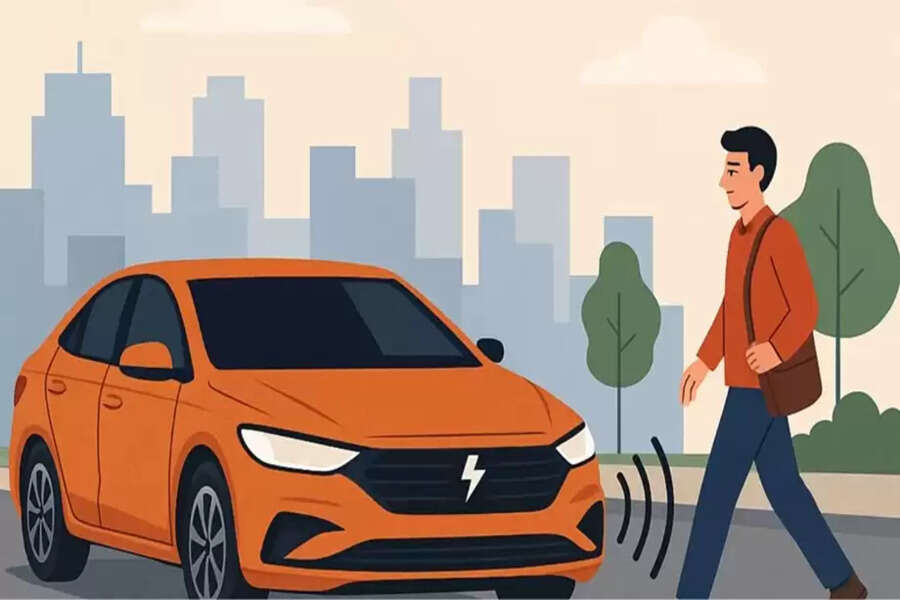
Electric vehicles are being promoted worldwide because they do not cause pollution. Additionally, electric cars are quiet while driving, providing a peaceful driving experience for the driver. However, this very feature is becoming a problem for pedestrians. People are unable to hear approaching vehicles that make no noise, increasing the risk of accidents. To address this problem, the Ministry of Road Transport and Highways of the Government of India has taken a major decision.
What is the AVAS system, and when will it be implemented?
AVAS, or Acoustic Vehicle Alerting System, is an important safety feature installed in electric and hybrid vehicles. Using speakers, the vehicle emits a specific sound. Its main purpose is to alert pedestrians on the road. Electric vehicles operate almost silently, which means people often don't hear them approaching, increasing the risk of accidents. The AVAS system alerts people in advance by emitting a sound indicating the vehicle's approach.
This rule will be implemented in the country from October 1, 2026, for new electric vehicles. Those who already own electric vehicles have been given a grace period until October 1, 2027, to get this system installed in their vehicles.
Which vehicles will the AVAS system apply to?
The Ministry has included almost every category of electric vehicles under this rule:
M Category: This includes passenger vehicles such as electric cars and buses.
N Category: Electric trucks and cargo vehicles for transporting goods.
L5 and L7 Categories: This includes three-wheeled auto-rickshaws and heavy four-wheeled quadricycles (small cargo vehicles).
E-rickshaws and E-carts: Small e-rickshaws operating locally will also be covered under the rules.
Disclaimer: This content has been sourced and edited from Amar Ujala. While we have made modifications for clarity and presentation, the original content belongs to its respective authors and website. We do not claim ownership of the content.
