
Apple Pay: Apple Pay to launch in India in October; payments can be made simply by tapping the iPhone..
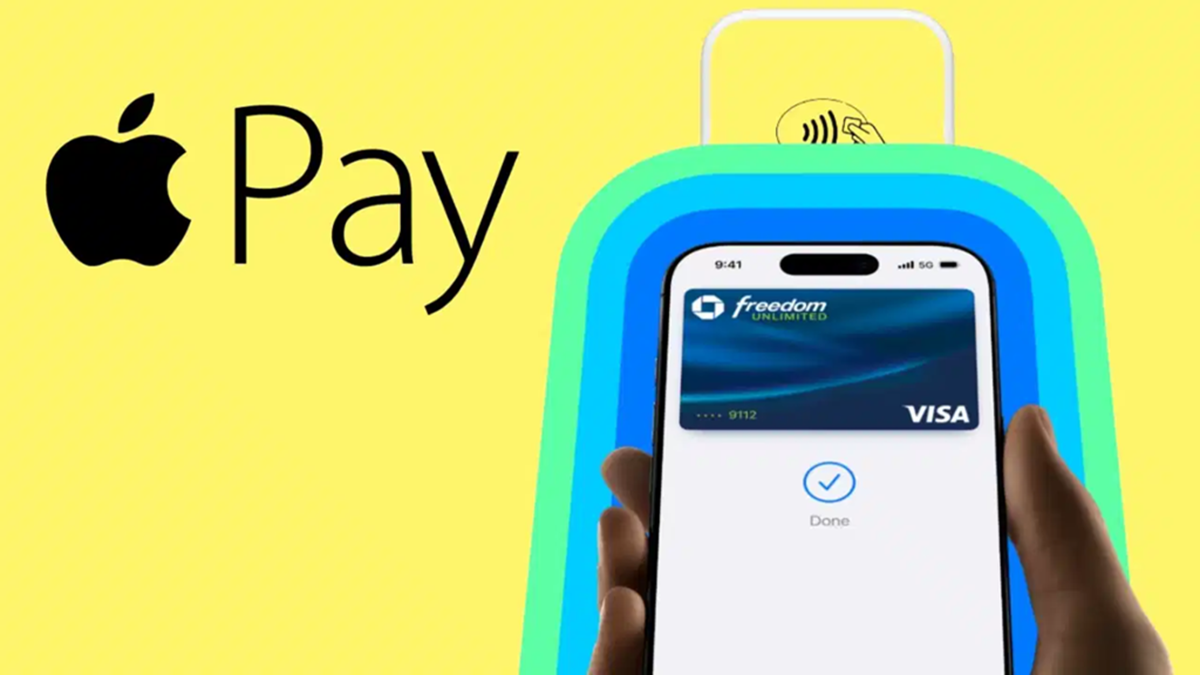
Apple's digital payment service, Apple Pay, could launch in India by October. According to reports, credit cards on the Visa and Mastercard networks will be supported initially. Users will be able to save their cards in the Apple Wallet and make contactless payments using their iPhones or iPads. However, UPI support will not be available at the time of launch.
**How card payments via iPhone will work**
Once Apple Pay arrives in India, users will be able to save their credit card details in the Apple Wallet. To make a payment at a store, they will simply need to tap their iPhone or tablet against the POS machine. This payment will be contactless, utilizing NFC (Near Field Communication) technology. Reports indicate that Apple Pay will initially operate on global card networks like Visa and Mastercard, similar to how the service functions in other countries.
**Waiting for UPI support**
UPI payment functionality will not be available at the time of Apple Pay's launch in India. To integrate UPI, Apple would need to obtain approval from the National Payments Corporation of India (NPCI) and partner with a sponsor bank for payment routing. Reports suggest Apple plans to finalize launch preparations by late September or October; however, there has been no official statement from Apple regarding this matter.
**Apple's earnings per transaction**
Apple is expected to earn a fee on credit card payments made via Apple Pay in India. Reports indicate that Apple was negotiating a share of 15 to 20 basis points per card transaction with banks, while some major card-issuing banks were pushing for a fee of 10 basis points. One basis point is equivalent to 0.01 percent. Payment companies believe that the entry of Apple Pay could boost credit card transactions in India.
Disclaimer: This content has been sourced and edited from TV9. While we have made modifications for clarity and presentation, the original content belongs to its respective authors and website. We do not claim ownership of the content.
