
Android phones will provide alerts before an earthquake strikes—a fantastic feature from Google; here’s how it works..
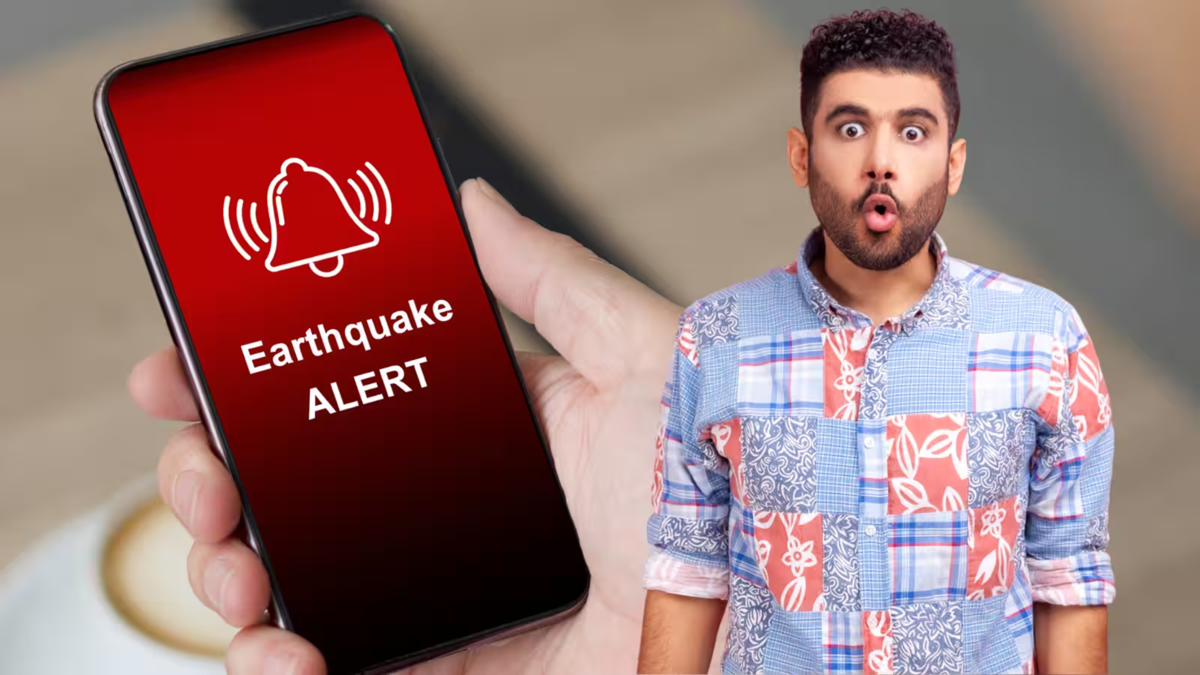
Tech giant Google has rolled out a major upgrade to its Android Earthquake Alerts System, designed to help manage natural disasters and keep people safe worldwide. With this update, the earthquake-warning technology has become more advanced and accurate than ever, extending its reach to millions more people across the globe. In the event of a catastrophic disaster like an earthquake, every single second is invaluable for saving human lives. Google’s mobile-based network—currently the world’s largest earthquake detection system—provides people with the critical time needed to move to safety and protect themselves.
Service now expanding to over 200 countries.
Google has expanded the service from its previous 98 countries to now cover more than 200 countries and territories. This includes vulnerable nations like Panama and Guatemala, which have recently experienced the impact of earthquakes. Since the service’s launch in 2021, Google has delivered over 1 billion earthquake alerts to Android users worldwide. Boon Spooner, Group Product Manager for the Earthquake Alerts System, noted that while the hope is that people never have to rely on these safety features, the technology serves as a highly reliable means of delivering accurate information during a crisis.
Turning your smartphone into a 'seismometer'
You might wonder how an ordinary mobile phone in your pocket can predict an earthquake. The technology functions using the accelerometer sensor already built into your smartphone—the same sensor responsible for automatically rotating your screen when you tilt your device. Google's system uses this sensor as a 'mini-seismometer' (an instrument for measuring earthquakes) to detect initial tremors occurring underground.
When an earthquake begins, it first releases very fast but relatively weak waves from beneath the ground. As soon as your phone detects these subtle waves, it immediately sends a signal—along with your approximate location—to Google's servers. When multiple Android phones in the same area send such signals simultaneously, Google's central system can determine the precise intensity and epicenter of the earthquake within seconds.
Shortly thereafter—just before the more destructive, high-intensity waves reach your location—an alert is sent to your phone screen. This provides you with a few crucial seconds to take action and potentially save your life. To ensure this service functions, your phone must have Wi-Fi or mobile internet enabled, and both the location services and earthquake alert settings must be active.
3 Smart Alerts on Your Screen
Given the risks and intensity of earthquakes, Google provides alerts on your screen, categorized into three distinct types:
'Be Aware' Alert: This is the most basic, initial-level alert. It appears on your screen as a simple notification, warning you that light tremors may be felt in your area.
'Be Ready' Alert: This alert is for tremors of moderate intensity. It is set to receive a major upgrade in the coming months; following this update, it will display a map on your screen showing the earthquake's scope, estimated intensity, and clear instructions on how to stay safe.
'Take Action' Alert: This is the final, most critical level of alert, triggered by moderate to severe, potentially destructive tremors. When this alert is issued, it takes over your entire mobile screen and provides immediate, real-time guidance—such as instructions to "drop, cover, and hold on." This alert is highly advanced: it can bypass your phone's 'Do Not Disturb' (DND) mode, automatically turn on the screen, and trigger a loud alarm—ensuring that even someone asleep is immediately awakened.
Disclaimer: This content has been sourced and edited from NDTV India. While we have made modifications for clarity and presentation, the original content belongs to its respective authors and website. We do not claim ownership of the content.
