
An OTP received on your mobile phone could completely drain your bank account! Take these immediate steps to protect yourself..
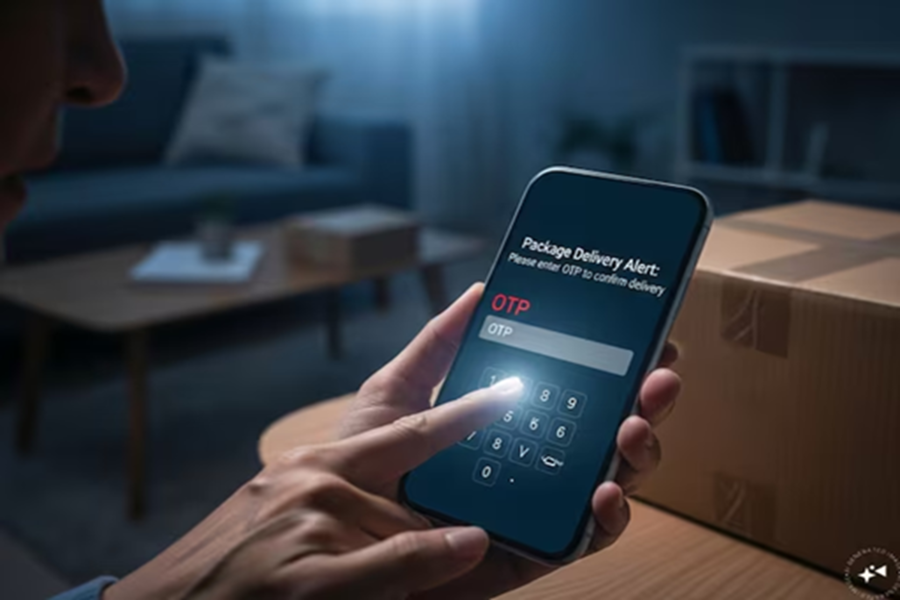
Nowadays, receiving an OTP on a mobile phone is a common occurrence. OTPs are sent to ensure security during bank transactions, UPI payments, or online shopping. However, fraudsters exploit these very OTPs to completely drain people's bank accounts. In recent months, OTP scams have surged rapidly across India. Fraudsters pose as delivery personnel, customer care representatives, or bank officials to make calls and request OTPs. Once they obtain the OTP, thousands—or even lakhs—of rupees vanish within just a few minutes. How exactly does this scam work?
Fraudsters typically operate using two main methods: posing as a delivery person or using a package as a pretext. A call comes in: "Sir, your package has arrived. Please verify the OTP to confirm the delivery." Or, "Your order is being cancelled; please provide the OTP to process your refund."
In some instances, a person who physically resembles a genuine delivery agent may even show up at your doorstep. The moment you share the OTP, the fraudsters execute transactions through your banking app, as an OTP allows for the easy authorization of UPI or card payments.
The Customer Care or Bank Impersonation Ruse
The caller claims: "There is an issue with your account; you need to update your KYC details. You will receive an OTP—simply read it out to me." Or, "Fraudulent activity has been detected on your card; share the OTP so we can block it for you."
In their haste or panic, people often divulge the OTP. However, banks never request an OTP over the phone. A legitimate bank will never ask for your OTP, PIN, or password.
What happens when you share an OTP?
An OTP serves to authorize a bank transaction. Fraudsters often already possess your card details, UPI ID, or access to your banking app (typically obtained through phishing attacks or past data breaches). The moment they receive the OTP, they immediately transfer the funds. In numerous cases, individuals have lost lakhs of rupees to such scams.
Take these immediate steps to protect yourself:
Never share your OTP with anyone—no matter how official or legitimate they may appear. Banks, courier services, the police, or government agencies will never ask for an OTP over the phone.
Check the Caller ID—even if the number appears to belong to a bank, remain suspicious. Genuine banks do not make calls to request OTPs. Do not rush—scammers use scare tactics, claiming your "account will be blocked" or your "package will be returned." Stop, hang up the phone, and contact the bank or company directly yourself.
Use official apps/websites—for package tracking, verify the status using the delivery company's genuine app or website. Do not click on unfamiliar links.
Enhance mobile security—avoid downloading apps from unknown sources. Keep SMS and call forwarding disabled.
Use antivirus software.
Report any suspicions—call 1930 or file a complaint at cybercrime.gov.in. Notify your bank immediately and have your card blocked.
Utilize new features—some companies, such as Airtel, provide AI-driven alerts regarding OTP scam calls. Keep such features enabled.
Your OTP is the key to your security; do not let it fall into the hands of thieves. With a little caution and awareness, you can safeguard your money. Share this information with your friends and relatives as well; a small precaution can save you lakhs.
Disclaimer: This content has been sourced and edited from News18 Hindi. While we have made modifications for clarity and presentation, the original content belongs to its respective authors and website. We do not claim ownership of the content.
