
An old geyser could fail at any moment; stay alert if you notice these 5 signs..
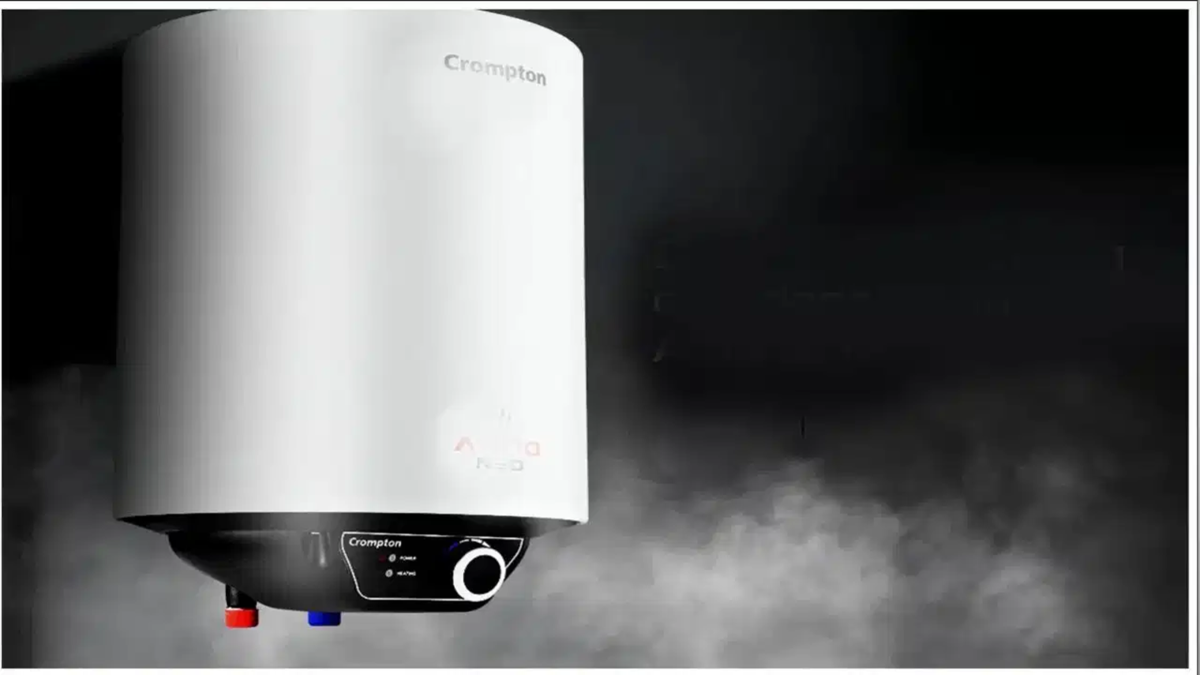
As the winter season begins, the use of water heaters (geysers) in homes increases. From morning showers to the need for hot water in the kitchen, the geyser becomes an essential part of daily life. However, a geyser that has been in use for a long time can break down at any moment. Notably, a geyser often shows certain warning signs before it stops working completely.
If these signs are identified in time, you can avoid issues like a sudden loss of hot water or leaks. Here are 5 signs indicating that it is time to replace or repair your geyser.
1. Frequent accumulation of water around the geyser
If you frequently notice water pooling beneath or around your geyser tank, do not ignore it. This could be a sign of a leak in the tank. Long-term use can lead to rust forming inside the tank; over time, its components may weaken, potentially developing cracks or holes. However, the presence of water does not always mean the geyser is faulty—it could also be due to a loose pipe connection or a malfunctioning drain valve. Therefore, it is advisable to have it inspected by a technician.
2. Discolored (yellow or brown) hot water
If the hot water coming from your tap appears yellow, brown, or rust-colored—while the cold water remains clear—there may be an issue with your geyser. A primary cause for this is rust forming inside the tank. Geysers with tanks contain an "anode rod" designed to protect the tank from rust; however, this rod degrades over time. Replacing it periodically can extend the lifespan of your geyser. If the water remains discolored even after inspection and repairs, it is possible that the tank itself has sustained internal damage.
3. Strange Noises from the Geyser.
If your geyser makes rumbling, thumping, or popping sounds while heating water, it could be a sign of a malfunction. Minerals and other impurities present in the water gradually accumulate at the bottom of the tank, eventually forming a hard layer. This hinders the heating process and causes the geyser to produce unusual noises. Sometimes, cleaning the tank resolves the issue; however, if the noises persist even after cleaning, you should have it inspected by a technician.
4. Longer Time Taken to Heat Water
If your geyser is taking longer than usual to heat water, or if the hot water runs out quickly, consider this a sign of a potential fault. The accumulation of minerals in the tank can reduce its heating capacity. In electric geysers, a faulty thermostat or heating element could also be the cause. That said, this could also happen if the number of people in the household has increased or if hot water is being used in multiple places simultaneously. Therefore, be sure to have the unit checked by a technician before deciding to purchase a new one.
5. Frequent Breakdowns and High Repair Costs
If your geyser breaks down repeatedly, requiring frequent expenditure on repairs, purchasing a new unit may be a better option. The age of the geyser is also a key factor in this decision. Generally, tank-based geysers can last for 10 to 15 years, while tankless (instant) geysers can last for over 20 years. However, their lifespan also depends on usage, water quality, and maintenance. If an old geyser is causing persistent problems, you should consider replacing it.
Disclaimer: This content has been sourced and edited from TV9. While we have made modifications for clarity and presentation, the original content belongs to its respective authors and website. We do not claim ownership of the content.
