
Amidst the LPG Crisis, Electric Cooking Emerges as a Reliable Alternative: What Factors Should Be Kept in Mind?
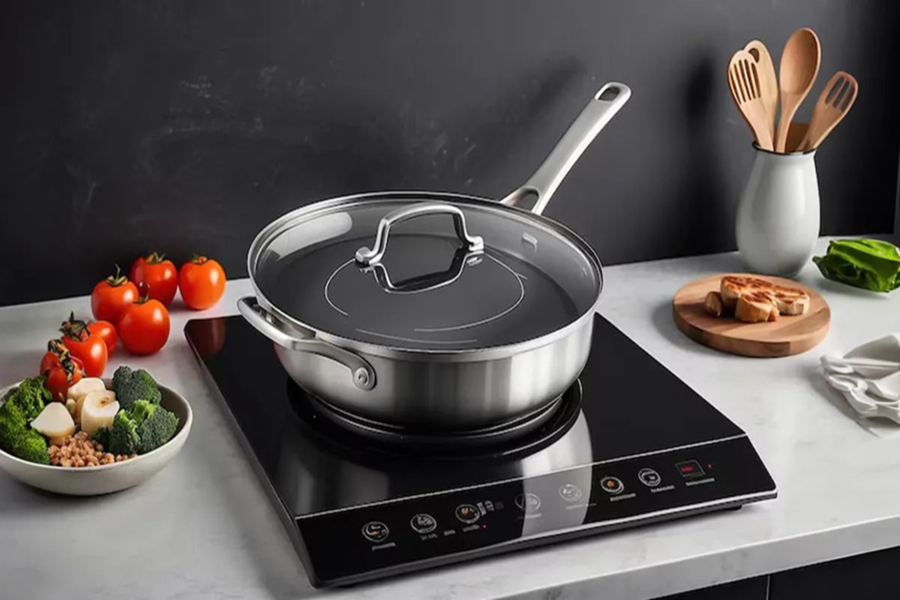
Amidst the ongoing tensions in West Asia, the struggle to ensure a steady supply of cooking gas within the country is intensifying. Efforts are being made at every level to maintain this stability; notably, BPCL has even launched an 'LPG ATM' service in Gurugram. As a reliable alternative, people have begun shifting towards electric cooking. As long as the global oil market remains volatile, it will be difficult for domestic prices and supply conditions to return to normalcy. Under these circumstances, rather than remaining dependent on imported fuel, e-cooking offers us a reliable and practical alternative.
How Different is it from LPG?
Given the shortage of LPG, electric cooking currently stands as the most practical alternative. Appliance retailers in urban markets acknowledge that there has been a significant surge in the demand for induction cooktops, electric pressure cookers, and infrared stoves. According to a report by *The Economic Times*, sales of induction cooktops on Swiggy Instamart have witnessed a tenfold increase over the past few days, while BigBasket claims that its sales of induction cooktops have risen fivefold.
How Reliable is E-Cooking?
When compared to the rising prices of LPG (Liquefied Petroleum Gas) and PNG (Piped Natural Gas), the cost of electric cooking is currently relatively much lower. In fact, when cooking on an induction cooktop, energy efficiency exceeds 80 percent; conversely, lighting an LPG stove results in heat loss into the surrounding air, meaning its efficiency is less than half that figure. If electric appliances are utilized correctly, e-cooking emerges as a superior option in terms of cost savings as well. Currently, the annual LPG expenditure for a small family amounts to approximately ₹7,000 to ₹8,000, whereas the cost of e-cooking hovers around ₹5,000.
Is Complete Reliance on E-Cooking Possible?
Until now, in most households, appliances like induction cooktops have typically been used only when necessary or for minor tasks. However, given the shifting economics of cooking energy, the time has come to adopt them as a permanent solution. There is no denying that LPG is convenient and allows for rapid cooking. The biggest drawback associated with it, however, is that its pricing is determined by the global market—fluctuations that ultimately impact our kitchens. Since electricity is generated domestically, the challenges regarding its supply are not as significant. While LPG stoves typically feature multiple burners, if induction cooktops were similarly designed—offering two or three cooking zones instead of the standard single unit—it would make it much easier to prepare multiple dishes simultaneously.
Here Are the Electric Alternatives to LPG
Induction Cooktops: These appliances utilize electromagnetic technology to heat cooking vessels. This results in faster cooking and significant energy savings. They can be used to prepare daily meals such as rice, lentils (dal), vegetables, omelets, and more.
Electric Rice Cookers: Although the name suggests otherwise, these appliances can be used to prepare a variety of dishes, including *khichdi*, soups, and noodles. They can also be used to steam vegetables when needed.
Microwave Ovens: In addition to reheating food, these appliances can also be used for cooking. They allow for the quick preparation of vegetables, potatoes, oats, and "ready-to-cook" food items.
Electric Hot Plates: These function much like traditional LPG stoves. You can use them for tasks such as boiling water, making tea, or preparing noodles.
Air Fryers: While not a direct substitute for an LPG stove, using an air fryer can certainly help reduce your gas consumption. Furthermore, air fryers facilitate oil-free cooking, making them a healthier alternative for preparing a wide variety of meals.
