
Alert: Have you also received a lockdown notice? Opening it will drain your bank account..
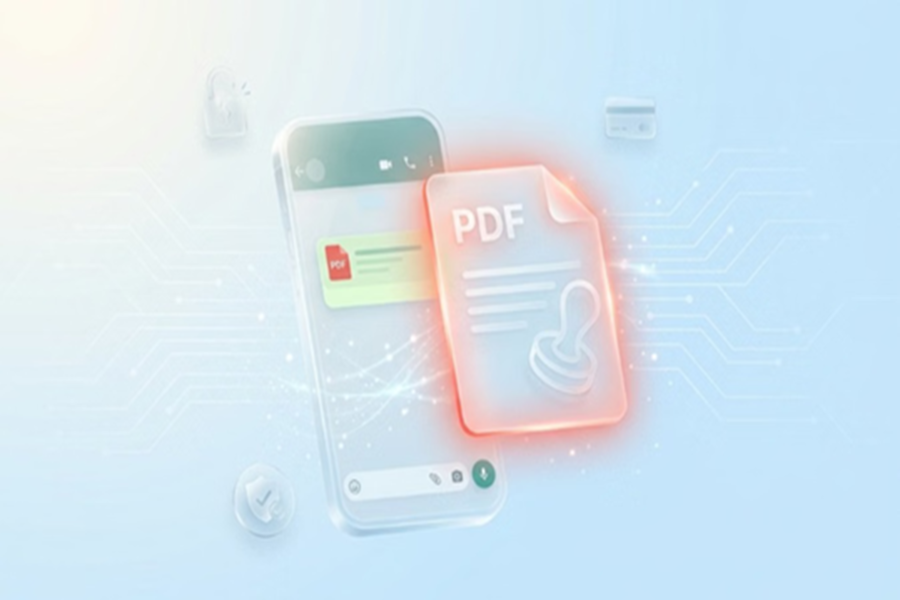
War Lockdown Notice Malware: Amidst global viral threats and geopolitical tensions, rumors regarding a potential lockdown in India have intensified on social media platforms. Fake PDFs and messages are currently going viral across various messaging apps. Consequently, cyber experts have issued a warning: if anyone receives a PDF—such as one titled "WAR LOCKDOWN NOTICE.pdf"—or any related content on their phone, they should strictly refrain from downloading it.
According to experts, Prime Minister Modi recently emphasized the importance of a "work-from-home" culture and the necessity of conserving fuel. Following this statement, numerous misleading messages have begun circulating widely on social media. It is reported that scammers have become active in the wake of the PM's remarks, attempting to confuse the public by sharing fake government notices and PDF files alongside these messages.
How Does This New Cyber Scam Work?
According to cyber experts, scammers are creating counterfeit PDFs designed to resemble official government orders. These documents employ fabricated official language, bogus directives, and images of government emblems to lend them an air of authenticity. Consequently, the moment a user downloads the PDF or clicks on an embedded link—thereby opening the file—their device becomes vulnerable to malware infection or a phishing attack.
Attempts to Access Bank Details and OTPs
In numerous instances, it has been observed that these PDFs are used by scammers to redirect users to fraudulent websites. On these sites, users are prompted to provide sensitive information such as bank details, One-Time Passwords (OTPs), card information, or personal data. Cybersecurity experts warn that online fraud has evolved to become far more sophisticated and dangerous than ever before. Cyber fraudsters are no longer limited to merely sending fake SMS messages; they are now actively exploiting people's emotions and fears.
Such messages tend to go viral with alarming speed, largely due to lingering memories of the previous COVID-19 lockdowns. Several incidents have already come to light involving compromised WhatsApp accounts, financial fraud, and the theft of personal data. Furthermore, there have even been cases where individuals were intimidated via video calls and coerced into transferring money. PDFs Are Not Always Safe
Experts state that while not every PDF is malicious, many files may harbor suspicious links, hidden scripts, and malware code. This risk is compounded significantly if your phone's software is not up to date.
What Should Users Do to Stay Safe?
The number of such incidents is rising rapidly. To protect yourself, be sure to follow the guidelines outlined below:
Do Not Download Without Verification: Do not download, open, or forward any PDF or notice—particularly those related to lockdowns—that you receive via WhatsApp or any other platform without first verifying its authenticity.
Rely on Official Sources: Always verify any government order or advisory against official government websites or reputable news channels.
Stay Safe: Remember that scammers seek to defraud you by exploiting your fears and emotions. Avoid clicking on any unfamiliar links, and always keep your device's software updated.
Disclaimer: This content has been sourced and edited from Amar Ujala. While we have made modifications for clarity and presentation, the original content belongs to its respective authors and website. We do not claim ownership of the content.
