
Airplane Mode vs. Do Not Disturb Mode: Which One Is the Master at Saving Phone Battery?
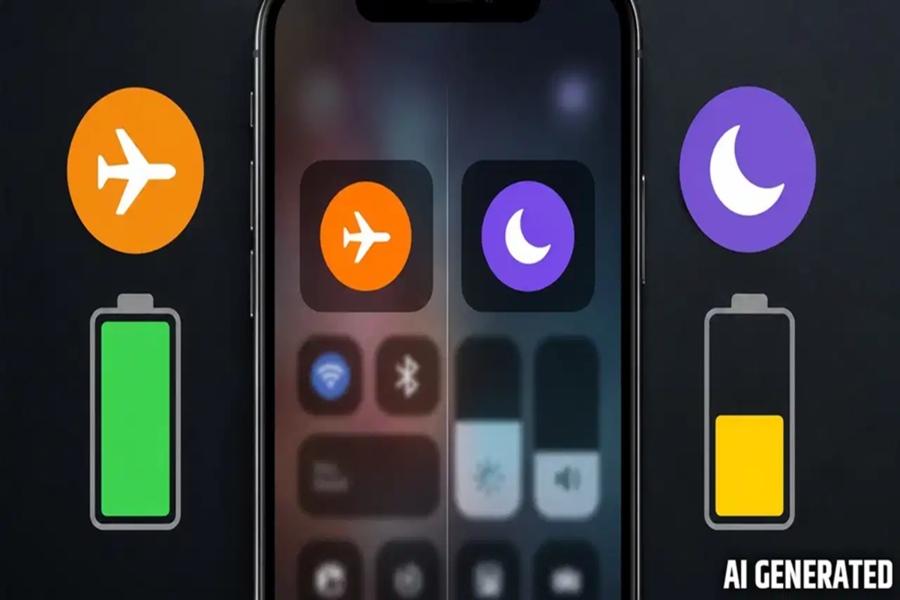
Smartphone Tips: Phones come equipped with many amazing features, yet many people remain confused about which mode—Airplane Mode or Do Not Disturb Mode—actually saves more battery power. Today, we will explain the functions of both features and reveal which one can be more effective in helping you conserve your mobile phone's battery life.
You will find both of these features on almost all smartphones, as they have become standard inclusions in modern devices. While many people assume that Airplane Mode is meant solely for use during air travel—which is certainly true—you can also utilize this feature in emergencies specifically to conserve battery power. You can use either mode depending on your specific needs; people typically use Do Not Disturb Mode when going to sleep or while attending a meeting, as this feature silences notifications, thereby preventing any interruptions.
What Does Airplane Mode Do?
Airplane Mode is the superior option for saving battery power. It works by disabling the wireless radios within your phone (such as cellular, Wi-Fi, and Bluetooth) that consume the most power. Consequently, your device completely ceases the energy-intensive tasks of maintaining connections or searching for networks, resulting in significantly reduced battery consumption and extended battery life.
What Does Do Not Disturb Mode Do?
This mode merely silences your notifications; your phone remains fully connected to the internet and cellular networks, resulting in only minimal battery savings.
Which Is More Beneficial?
Airplane Mode will be more effective in helping you save battery power, as disabling connectivity can significantly extend battery life. When connectivity is turned off, components such as the screen, speakers, and other essential features do not need to work as hard, thereby facilitating greater power savings.
Disclaimer: This content has been sourced and edited from TV9. While we have made modifications for clarity and presentation, the original content belongs to its respective authors and website. We do not claim ownership of the content.
