
AI Smart Glasses: Nothing is bringing AI smart glasses; they might also feature integration with ChatGPT..
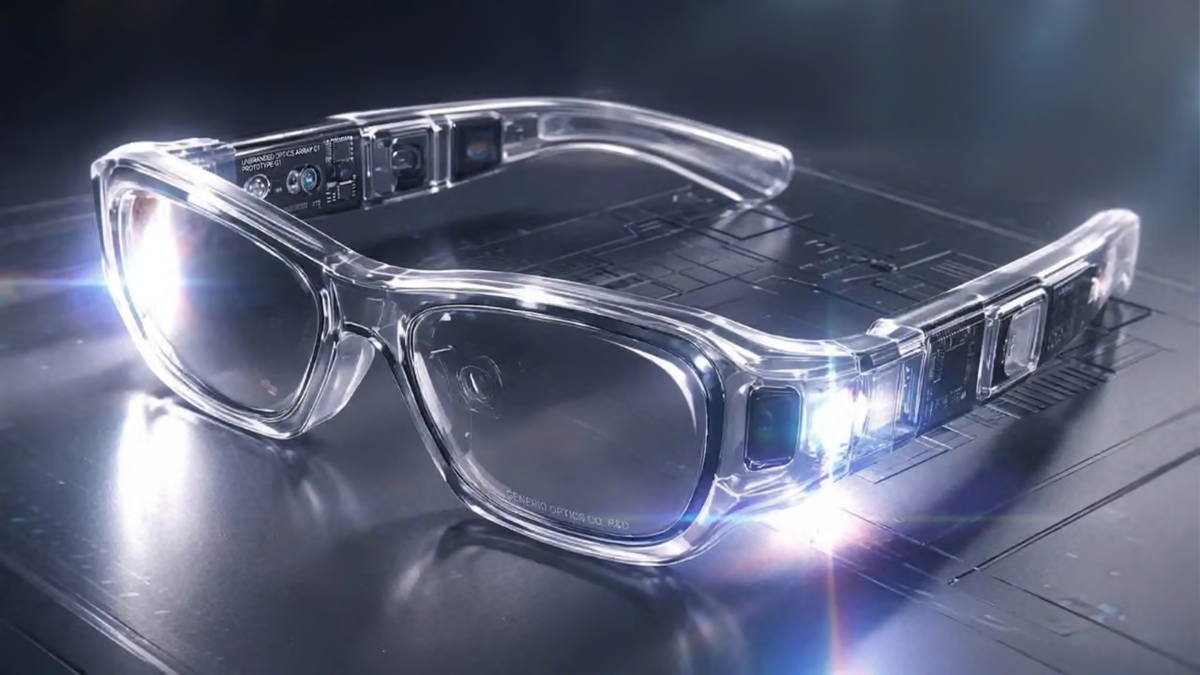
Nothing, the tech company known for its smartphones and audio products, may soon enter the market with a new gadget. According to leaked reports, the company is working on AI smart glasses. Notably, Nothing might be developing two different types of smart glasses: one model would focus on tasks like listening to music and handling phone calls, while the other could feature a camera and more advanced AI-integrated capabilities.
The second model is rumored to include support for OpenAI’s ChatGPT and real-time language translation. If these features are implemented, users would be able to ask questions or understand conversations in foreign languages while wearing the glasses. However, Nothing has yet made any official announcement regarding these products, so this information should currently be treated as a leak.
Nothing’s smart glasses may arrive in two versions
According to the leaks, Nothing could be designing its smart glasses to cater to two distinct sets of needs. The first model might be aimed at users who want to listen to music or take calls without needing to wear earphones; this version could incorporate an audio system directly into the frames.
The second model could be more advanced, featuring a camera and AI tools alongside audio capabilities. With this, the company might also look to attract users who wish to integrate AI into their daily activities.
Will it compete with companies like Meta and Google?
If Nothing launches its smart glasses, it will face competition from established players. Meta has already carved out a space in this segment with its Ray-Ban Meta smart glasses, which include camera, audio, and AI-powered features.
Meanwhile, companies like Samsung and Google have also explored technology related to smart eyewear, and there has been occasional speculation regarding potential smart glasses from Apple as well. Given this, it will not be easy for Nothing to carve out a distinct identity in this market. Whether the company’s design and AI features will be enough to set its products apart from the competition remains to be seen—only time will tell after the official launch.
**First model to feature music and calling capabilities**
According to reports, Nothing’s first pair of smart glasses may incorporate an audio system within the frame. This would allow users to listen to music, play audiobooks, and make phone calls—eliminating the need for separate earphones.
The glasses may also offer the option to connect to a smartphone, enabling users to perform tasks using voice assistants like Google Assistant or Siri. It is reported that this model will not include a camera, as the primary focus will be on the audio experience.
**Second model to include a camera and ChatGPT support**
The second model may feature both audio capabilities and a camera, allowing users to capture photos and record videos from their own perspective. Additionally, it is expected to include ChatGPT integration, enabling users to ask questions and retrieve information directly through the glasses.
Leaks suggest that the device might also offer real-time language translation, making it easier to understand people who speak different languages. However, the actual user experience will depend on how effectively the company implements these features.
**When will Nothing’s AI smart glasses be launched?**
As of now, Nothing has not disclosed details regarding the pricing, design, battery life, or launch date of these smart glasses. Early discussions point to a potential launch around 2027, though this has not been officially confirmed. Consequently, we will have to wait for further updates to learn more about when these glasses will hit the market and what specific features they will offer.
Disclaimer: This content has been sourced and edited from TV9. While we have made modifications for clarity and presentation, the original content belongs to its respective authors and website. We do not claim ownership of the content.
