
Accidentally sent money to the wrong number via UPI? Don't panic—take these steps immediately to get it back..
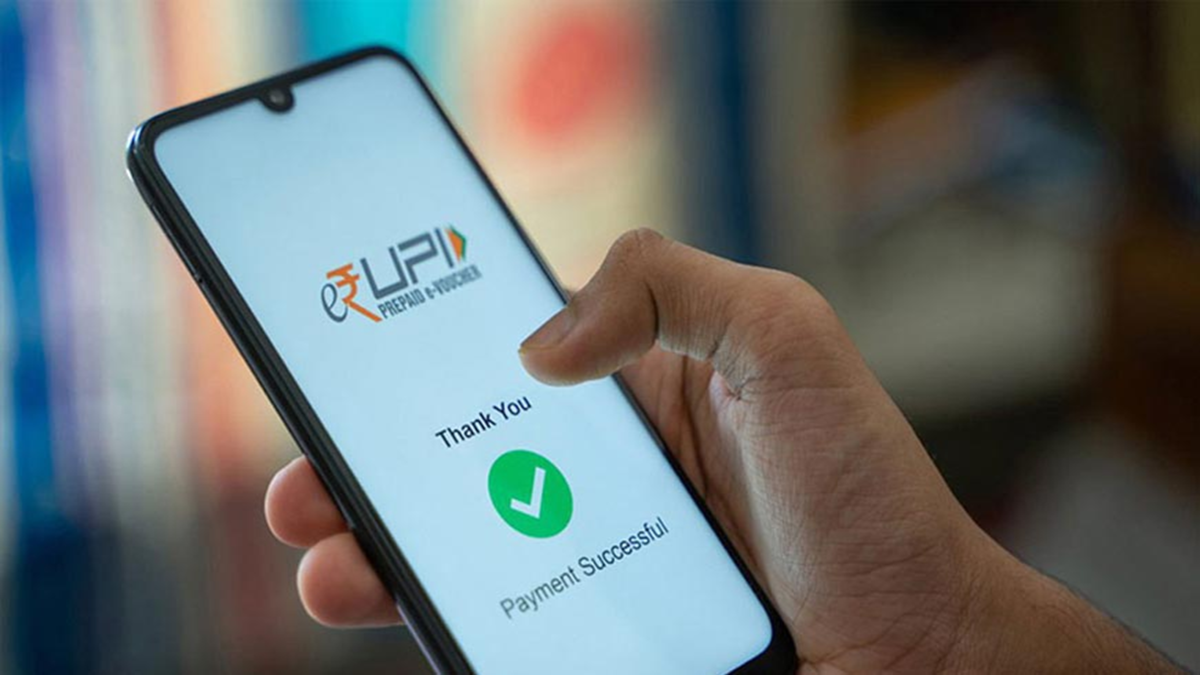
Whether it’s paying 10 rupees at a tea stall or settling a bill of thousands at a mall, most people today prefer using UPI for payments. You simply take out your mobile, enter the details, and the payment is completed in seconds. However, this very haste can sometimes lead to trouble. A minor mistake can result in money being sent to the wrong person’s account. By the time you realize the error, the transaction is already complete.
In such situations, many people assume their money is gone for good. But there is no need to panic. If this has happened to you, you can take certain steps to try and recover your funds. Let’s look at what you should do in the event of an incorrect UPI payment.
First, keep a record of the transaction details.
As soon as you realize the mistake, secure the payment details. Take a screenshot of the transaction and note down the UTR number (or transaction ID), the date, the time, and the amount sent. This information will be useful when filing a complaint. Additionally, if possible, try to contact the person who received the money. Calmly explain the situation and show them proof of the payment; they might understand and return the funds.
However, do not click on any links sent by an unknown person, and never share your UPI PIN, OTP, or banking passwords under the pretext of getting your money back.
File a complaint on the payment app.
If the recipient does not answer your calls or refuses to return the money, file a complaint through the 'Help' section of your UPI app. Apps like Google Pay, PhonePe, or Paytm provide options to report issues related to specific transactions.
Clearly state in your complaint that the money was sent to the wrong account by mistake. Follow the app's instructions to provide the necessary details, and be sure to save the complaint reference number.
Following this, inform your bank about the incident as soon as possible. Provide the bank with the transaction ID, amount, date, and proof of payment. The sooner you file a complaint, the sooner the investigation into the matter can begin. However, this does not guarantee that the funds will be recovered.
You can also file a complaint through the NPCI.
For complaints related to UPI, you can refer to the grievance redressal process available on the official website of the National Payments Corporation of India (NPCI). It provides information on resolving disputes related to UPI. When filing a complaint, ensure that the transaction details and all requested documents are provided accurately. If your issue remains unresolved at the level of the payment app or the bank, inquire about the next steps in the grievance redressal process.
Submit a written complaint by visiting your bank branch.
In addition to filing an online complaint, contact your bank branch. Submit a written application to the bank manager, attaching a screenshot of the erroneous transaction or a copy of your bank statement. Be sure to keep a copy of the application and the receipt of your complaint for your records.
Your bank may investigate the matter by coordinating with the other bank involved. However, the process of recovering funds may depend on the availability of the amount in the recipient's account, the consent of the individual concerned, and applicable regulations. Therefore, do not assume that the bank will automatically recover and return the funds.
If the bank does not address your concerns, seek assistance from the RBI.
If the bank fails to provide a satisfactory response to your complaint, you may utilize the grievance redressal mechanism of the Reserve Bank of India (RBI). Check the eligibility criteria and the terms for filing a complaint on the official RBI portal. It is mandatory to first file a complaint with the bank and retain all relevant documentation.
