
AC Tips: Is Your AC Not Cooling? Here's How to Fix It Yourself Before Calling for Service..
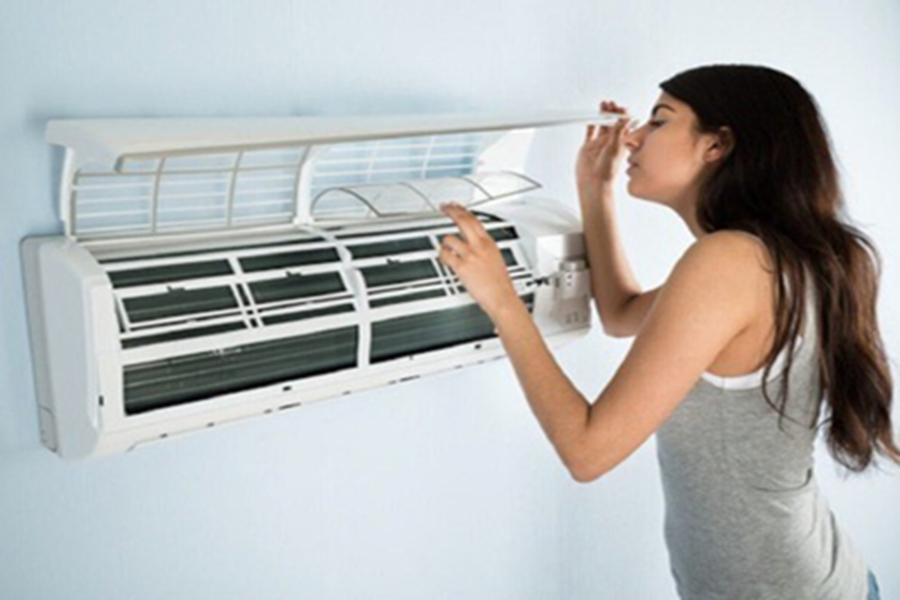
During the summer season, an AC becomes a necessity in every household. However, after a long period of inactivity, people often find that the AC's cooling performance isn't quite the same when they switch it back on. In such situations, people tend to call a mechanic immediately, even though the underlying issue is often quite simple. An AC's performance depends primarily on its airflow and the cleanliness of its filters. If the airflow is inadequate or the filter is dirty, the AC will fail to provide sufficient cooling, regardless of how long it runs. Let's explore some of the common reasons why an AC's cooling capacity might diminish.
**A Dirty Filter: The Primary Culprit**
The most common reason for reduced AC cooling is a dirty air filter. When dust and grime accumulate in the filter, it obstructs the flow of cool air, effectively stalling the airflow. This forces the AC to work harder, yet the room remains uncomfortably warm. To prevent this, it is essential to remove and clean the filter with water every 15 to 20 days.
**Maintaining an Airtight Room is Crucial**
If air is constantly escaping from the room, the effectiveness of the AC's cooling is significantly diminished. Therefore, it is vital to keep doors and windows closed while the AC is running to prevent cool air from leaking out. If there are any gaps in the windows or doors, have them sealed or repaired. Additionally, running a ceiling fan helps circulate the cool air rapidly throughout the room, thereby enhancing the overall cooling sensation.
**Incorrect Settings Can Also Compromise Cooling**
Often, the problem lies not with the AC unit itself, but with its settings. If the AC is not set to "Cool Mode" and is instead running on "Fan Mode," it will merely circulate air without providing any cooling. For optimal cooling performance, set the AC to "Cool Mode" and adjust the temperature between 24 and 26 degrees Celsius. This not only ensures effective cooling but also helps reduce electricity consumption.
**Cleaning the Outdoor Unit is Equally Important**
The AC's outdoor unit also plays a pivotal role in its cooling performance. If this unit becomes dirty or if debris accumulates around it, the hot air generated by the system cannot be effectively expelled into the outdoors. This has a direct impact on cooling performance. Therefore, ensure that the area surrounding the outdoor unit is kept clean at regular intervals, and make sure there are no obstructions directly in front of it. If necessary, it can also be cleaned using a gentle stream of water.
**Protect the Room from Sunlight and Heat**
If your room receives direct sunlight, the AC has to work much harder. This results in reduced cooling efficiency and increased electricity consumption. To prevent this, install curtains or blinds on the windows to keep the room from overheating. The less heat that enters the room, the faster the AC will be able to cool it down.
**When to Call a Technician?**
If, despite following all these steps, the AC is still not cooling properly, then—and only then—is it advisable to call a technician. This will save you both time and money, while also ensuring that your AC operates more efficiently.
Disclaimer: This content has been sourced and edited from Amar Ujala. While we have made modifications for clarity and presentation, the original content belongs to its respective authors and website. We do not claim ownership of the content.
