
AC Tips: From scorching 40-degree heatwaves to sudden rains—those looking to save electricity should know the perfect AC settings..
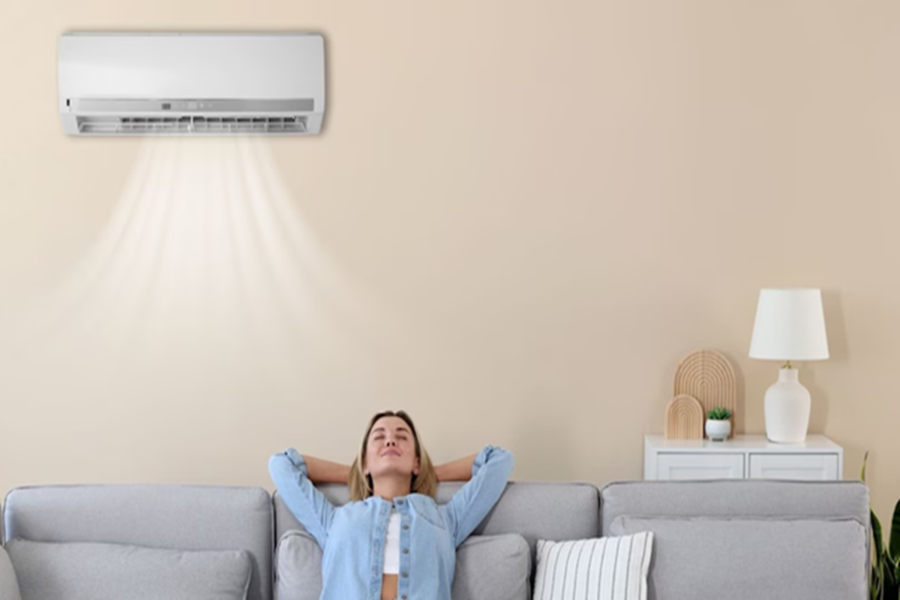
Nowadays, the weather is changing very rapidly. Right now in Noida, the sun is blazing at 34 degrees Celsius, yet the very next moment, it feels as though rain is imminent. Under these circumstances, the greatest strain falls upon our home air conditioners (ACs). People often make the major mistake of immediately setting their ACs to 18 degrees Celsius the moment they feel hot. When scorching heatwaves—exceeding 40 degrees Celsius—are sweeping outside, you should ideally keep your AC set between 24 and 26 degrees Celsius. Doing so prevents unnecessary strain on the compressor and helps keep your electricity bill in check. Most importantly, stepping outside abruptly after sitting in a room set to a very low temperature can subject your body to "heat shock," potentially leading to illness.
When hot winds are blowing outside, initially set the AC's fan speed to "High." This ensures that every corner of the room cools down quickly. Once you feel that the room has reached a comfortable temperature, switch the fan speed to "Medium." During this period, pay special attention to using only the "Cool Mode" during the heatwave season. Strictly avoid using the "Dry Mode" at this time, as the air is already extremely dry during a heatwave. If you engage the Dry Mode, the air in the room will become even drier—a condition that is detrimental to both your skin and your throat.
Maintaining a cool indoor environment during the summer season can be a challenge. During a heatwave, ensure that all windows and doors in your home are securely shut. Hang thick curtains over windows that receive direct sunlight to prevent the sun's intense heat from penetrating the room. If you are returning home from the office or an outing, make smart use of the AC's timer function. Schedule your AC to switch on approximately 20 to 30 minutes before your expected arrival time. This way, you will be greeted by a cool and comfortable atmosphere the moment you step inside, eliminating the need to hastily blast the AC at its lowest temperature setting. As soon as the rain begins, the outdoor temperature drops to between 25 and 30 degrees Celsius; however, the humidity in the air increases significantly. The "Dry Mode" proves most useful during this season. On most remote controls, this mode is indicated by a droplet icon. During the rainy season, set your AC to 28 degrees Celsius or operate it in Dry Mode. This mode absorbs the stickiness from the room's atmosphere, providing you with excellent comfort without drastically lowering the temperature. Best of all, power consumption is significantly lower when using this mode.
Power outages and fluctuations are common occurrences during the rainy season. To protect your valuable AC from such voltage fluctuations, ensure you install a reliable voltage stabilizer. If the power goes out suddenly and returns immediately, do not switch the AC back on right away; wait at least 5 minutes to allow the compressor pressure to stabilize. Additionally, close the room's windows immediately as soon as the rain starts; if outside humidity seeps indoors, the AC will have to work twice as hard—and consume more electricity—to dehumidify the room.
Whether it is the scorching heat of summer or the rainy season, always keep a few golden rules for saving electricity in mind. Operating the AC at 24 degrees Celsius is considered the most energy-efficient setting. Research suggests that for every 1-degree Celsius increase in temperature, you can save approximately 6 percent on electricity consumption. Be sure to utilize the "Sleep Mode" at night; this mode gradually raises the temperature throughout the night, ensuring you do not feel too cold in the early morning hours while simultaneously saving electricity. Furthermore, clean your AC filters every two weeks; dirty filters can cause the AC to consume 15 to 20 percent more electricity than necessary.
It is also essential to look after the health of your AC as the weather changes. Adjust your usage strategy when sudden rains follow a period of intense heat. If rain begins after a spell of hot weather, first switch off the AC, wait for 10 minutes, and then restart it in Dry Mode. If the heatwave resumes after the rain stops, switch back to "Cool" mode. Ensure that your outdoor unit is not exposed to direct sunlight; if it is situated in the shade, cooling efficiency will be significantly improved. Additionally, gas leaks are a common issue during this transitional weather; therefore, if you notice a decline in cooling performance, immediately call a professional technician to inspect the unit.
If rainwater accumulates near your outdoor unit, clear it away immediately. During days of intense heat, if you run your AC continuously for more than eight hours, it is beneficial to give the machine a one-hour break, as this helps extend the lifespan of the unit. By observing these simple precautions, you can not only keep your AC safe and functional for years to come but also protect your bank balance from hefty electricity bills.
Disclaimer: This content has been sourced and edited from News18 Hindi. While we have made modifications for clarity and presentation, the original content belongs to its respective authors and website. We do not claim ownership of the content.
