
AC Gas: Why Does Cooling Drop as Soon as the Gas Runs Out? How Does a Room Become Ice-Cold in Just a Few Minutes?
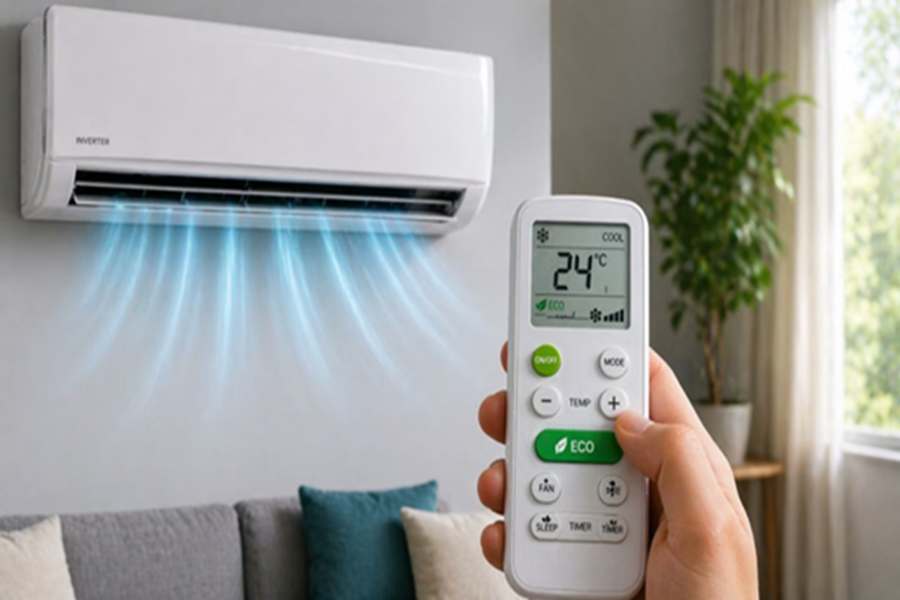
During scorching summer heat, an air conditioner (AC) becomes our most necessity. No matter how intense the heatwave outside, an AC can cool down a sweltering room in just a few minutes. But did you know that behind this impressive cooling performance lies not just air, but the magic of a specific gas? Let's understand this in simple terms.
**Which gas is used in an AC?**
The gas filled inside an AC is technically referred to as a 'refrigerant.'
**Types of Main Refrigerant Gases:**
**R-32 Gas:** This is the most modern and eco-friendly gas (causing minimal harm to the environment). It is currently used in the majority of new inverter AC models.
**R-410A Gas:** This is another popular refrigerant that has been widely used in both non-inverter and inverter ACs over the past few years.
**R-22 Gas:** This was the refrigerant used in older AC models. Its usage has now been almost entirely discontinued due to the environmental damage it causes (specifically, harm to the ozone layer).
**What is the function of the gas in an AC?**
The primary function of the refrigerant gas inside an AC is to absorb the heat from the room and expel it outside. This process operates like a cycle. When the AC is running, the refrigerant gas comes into contact with the warm air in the room, causing it to transform from a liquid state into a gas (vapor). Subsequently, this gas flows into the AC's compressor, where its pressure and temperature increase significantly.
The gas then passes through the condenser coils located outside the unit, where it releases all its accumulated heat into the surrounding air, cools down, and reverts to a liquid state. This cooled air is then circulated into your room via the blower, thereby cooling the entire space.
**What happens if the refrigerant level is low or leaking?**
There are times when the AC unit appears to be running, yet provides absolutely no cooling. This situation is most often caused by a leak in the AC's pipes, resulting in a depletion of the refrigerant gas. When the refrigerant gas level drops, the compressor has to work harder, which causes electricity bills to rise rapidly.
If your AC is also failing to cool effectively, be sure to call a service technician to check the gas pressure. Getting the gas refilled in a timely manner helps protect both your AC unit and its compressor.
How do you determine which gas is in your AC?
If you wish to find out which refrigerant gas is used in your AC, look for a sticker located on the outdoor unit (or on the side of the indoor unit). The name of the gas (Refrigerant Type) is clearly printed on this sticker.
Disclaimer: This content has been sourced and edited from Amar Ujala. While we have made modifications for clarity and presentation, the original content belongs to its respective authors and website. We do not claim ownership of the content.
