
AC Cleaning Tips: Avoid making this mistake while cleaning your AC—expensive parts could get damaged, leading to hefty repair costs..
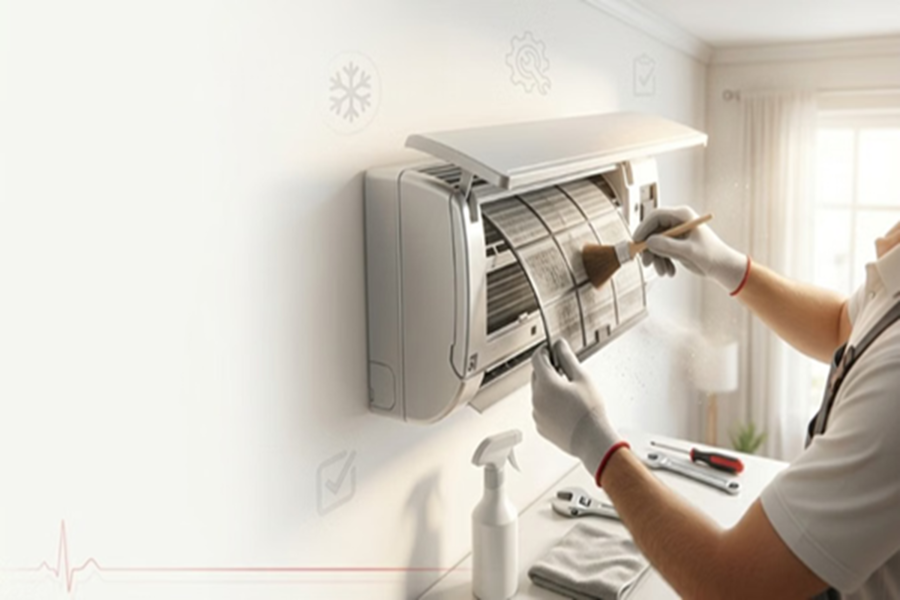
AC Maintenance Tips: Regular cleaning is essential to maintain the AC's cooling efficiency. In an attempt to do this, many people undertake a "deep clean" and inadvertently make mistakes that can damage expensive components like the coil, compressor, PCB, and fan motor. The result is reduced cooling performance and costly repair bills. If you clean your AC yourself, it is crucial to know which mistakes can prove costly and what the correct procedure is.
AC Cooling Problem: The biggest mistake when cleaning the AC?
Many people use pressure washers or high-pressure water jets to clean the outdoor unit. While this method may seem convenient, the high pressure can bend or flatten the delicate aluminum fins of the coils.
Damaged fins impair heat exchange, leading to reduced cooling and placing extra strain on the compressor. In the long run, this can result in expensive repairs.
Indoor Unit Cleaning: Pouring water directly onto the indoor unit can be risky
The indoor unit houses the PCB, fan motor, and electrical wiring. Pouring water directly onto it during cleaning increases the risk of short circuits or damage to electronic components. Therefore, one should only use a dry brush, vacuum cleaner, or a specialized AC foam cleaner to clean these parts.
AC Coil Cleaning: Using the wrong chemicals can damage the coils
Some people use bleach, acid, harsh chemicals, or household detergents to clean the AC. These chemicals can damage the coil's surface and reduce its operational efficiency. Experts recommend using only AC coil cleaning foam or a very mild soapy solution.
AC DIY Cleaning: Dirty or incorrectly installed filters can also cause problems
The filter is the most critical component of an AC. If the filter is dirty or improperly fitted, airflow gets obstructed. This causes ice to form on the coils and forces the compressor to work harder, ultimately leading to increased electricity consumption.
AC Care: Why is it important to turn off the power before cleaning?
It is crucial to turn off the main switch and disconnect the power supply before you start cleaning the AC. Cleaning while the power is on poses a risk of electric shock or damage to the electronic system. This is a small but vital safety precaution.
Outdoor Unit Cleaning: Keeping the area around the outdoor unit clean is also essential.
People often completely cover the outdoor unit or allow bushes and dust to accumulate around it. This prevents hot air from escaping and impairs cooling performance. It is important to maintain adequate space and cleanliness around the outdoor unit.
AC Service Tips: What is the safe way to clean the AC at home?
Filter Maintenance: Remove the indoor unit's filter every 15 to 30 days. Wash it with plain water, dry it thoroughly, and then reinstall it.
Gentle Cleaning: Always clean surface dust from the outdoor unit gently using a dry cloth or a very soft brush.
Foam Cleaner: Use a specialized AC foam cleaner available in the market for the indoor coils. Spray it on, let it sit for 10–15 minutes, and then clean it off very carefully with a small amount of water, ensuring no water reaches the PCB.
Self-Clean Mode: If your AC remote has a 'Self-Clean' or 'i-Clean' button, use it. This technology automatically dries out moisture and removes dirt from the indoor unit.
Professional Service is Essential: No matter how much you clean it at home, get a deep service done by a certified professional technician once or twice a year. This can double the lifespan of your AC.
Disclaimer: This content has been sourced and edited from Amar Ujala. While we have made modifications for clarity and presentation, the original content belongs to its respective authors and website. We do not claim ownership of the content.
