
AC Blast Risk in Summer: Common Mistakes That Can Turn Your Air Conditioner Dangerous—and How to Stay Safe
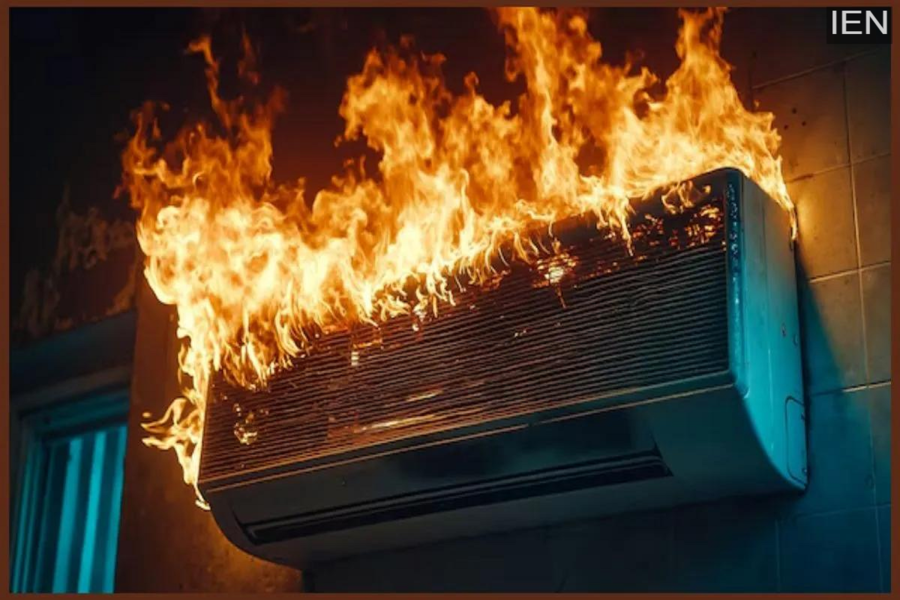
As temperatures soar across India, air conditioners have become essential for daily comfort. However, alongside rising usage, there has also been growing concern over incidents involving AC blasts and fire hazards. While such cases are relatively rare, they can be extremely dangerous when they occur. Understanding the causes behind these incidents—and how to prevent them—can go a long way in ensuring safety at home.
Why Do Air Conditioners Explode?
The most common reason behind an AC blast is excessive pressure buildup inside the compressor. When the system is not functioning properly—due to overheating, blocked airflow, or internal faults—the pressure within the unit can increase to dangerous levels. If this pressure is not released in time, it can lead to an explosion.
Another major factor is poor ventilation. When airflow is resricted due to clogged filters or obstructed outdoor units, heat cannot dissipate effectively. This puts additional stress on the compressor, increasing the risk of failure.
Refrigerant Gas: A Hidden Danger
Modern air conditioners often use refrigerant gases like R32 and R290 (propane), which are more environmentally friendly but also highly flammable. If there is a gas leak and the refrigerant accumulates in a confined space, even a small spark—such as from a switch or wiring—can trigger a fire or explosion.
This makes regular inspection for gas leaks absolutely critical, especially in older units or systems that haven’t been serviced for a long time.
Impact of Poor Installation and Maintenance
Improper installation is one of the leading causes of AC-related accidents. If the unit is not installed correctly, it can result in issues such as gas leakage, electrical faults, or poor airflow.
Similarly, skipping routine maintenance can gradually weaken the system. Dust accumulation in filters and coils, incorrect refrigerant levels, or faulty wiring can all contribute to overheating and pressure buildup.
Another overlooked issue is moisture entering the AC system. If proper vacuuming is not done during servicing, moisture can mix with refrigerant and form acidic compounds. Over time, this can corrode internal components, making the system unstable and increasing the risk of a blast.
Warning Signs You Should Not Ignore
Before a major failure occurs, air conditioners often show early warning signs. These may include:
- Unusual noises from the outdoor unit
- Reduced cooling efficiency
- Frequent tripping of the power supply
- Burning smell or visible sparks
- Sudden increase in electricity consumption
Ignoring these signals can lead to serious consequences, so it’s important to act promptly if you notice any of these issues.
How to Prevent AC Blasts: Essential Safety Tips
You can significantly reduce the risk of AC-related accidents by following a few simple precautions:
- Schedule professional servicing at least once every 6 months
- Always turn off the AC during repairs or maintenance
- Regularly check for gas leaks and electrical issues
- Clean filters and coils to maintain proper airflow
- Ensure installation and servicing are done by trained technicians
- Keep the outdoor unit well-ventilated and free from obstructions
Additionally, always use original spare parts and avoid low-quality components during repairs. This helps maintain the system’s safety standards and performance.
Final Take
Air conditioners are indispensable during extreme heat, but they must be used responsibly. Most AC blast incidents are preventable and often result from negligence, poor maintenance, or incorrect installation.
By staying alert to warning signs and following basic safety measures, you can enjoy uninterrupted cooling without compromising your safety. In a season where AC usage is at its peak, a little caution can make a big difference.
