
900% Surge in Deepfake Cases in India: Women Are Predominantly Being Targeted; Major Revelation in Report..
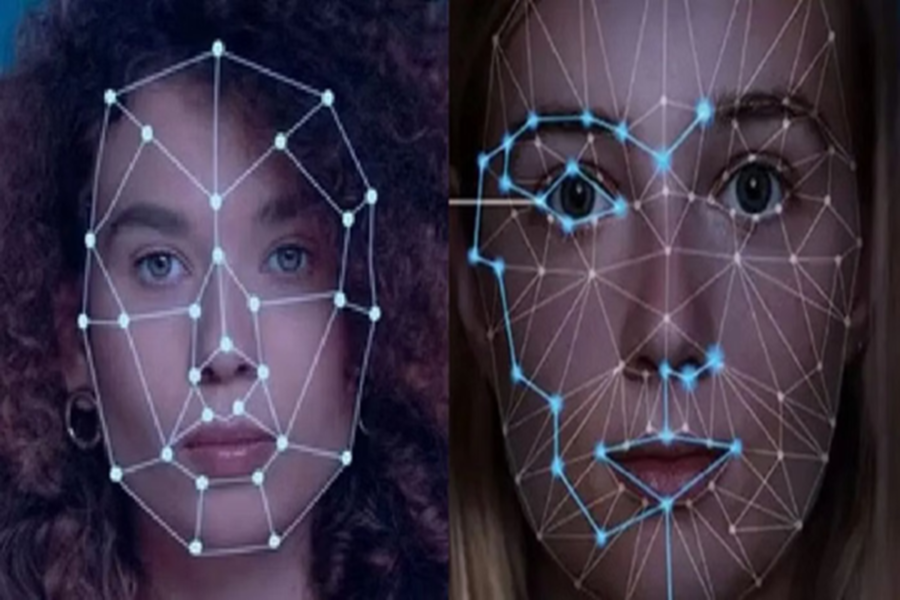
A 2026 report by the tech firm Pi-Labs issues a grave warning regarding the escalating threat of deepfakes in India. According to the report, deepfake content has witnessed an increase of approximately 900 percent over the past few years—a phenomenon described as a "pandemic of digital deception."
Women Being Targeted
The report reveals that in over 90 percent of cases involving objectionable deepfake content circulating on the internet, women are the primary targets. Incidents involving the non-consensual creation of obscene images, image morphing, and identity manipulation—facilitated by generative AI technology—are on the rise.
Surge in Cybercrime Cases
According to government statistics, there has also been a sharp increase in cybercrime cases involving women. In 2024, approximately 50,000 such complaints were registered; by 2026, this figure had surged to nearly 80,000—marking an increase of approximately 60 percent within just two years.
Threat Amplified by Thousands of AI Tools
According to the report, nearly 5,000 face-swap apps and over 1,000 voice-cloning tools are currently available to the general public on the internet. Consequently, creating deepfake content has become easier than ever before. The survey also found that 65 percent of companies in India experienced some form of deepfake-related cyberattack in 2026.
How to Stay Safe
Experts have advised individuals to exercise caution regarding their privacy on social media. The report suggests that people should limit the public sharing of their high-quality photographs and audio clips, as this very data serves as the "raw material" for AI models. Furthermore, users are advised to maintain robust privacy settings on their social media accounts and take measures to protect themselves against data scraping by bots.
Disclaimer: This content has been sourced and edited from Amar Ujala. While we have made modifications for clarity and presentation, the original content belongs to its respective authors and website. We do not claim ownership of the content.
