
5 Hidden Scan-and-Pay Dangers: Key Warning Signs Your Money Could Be at Risk
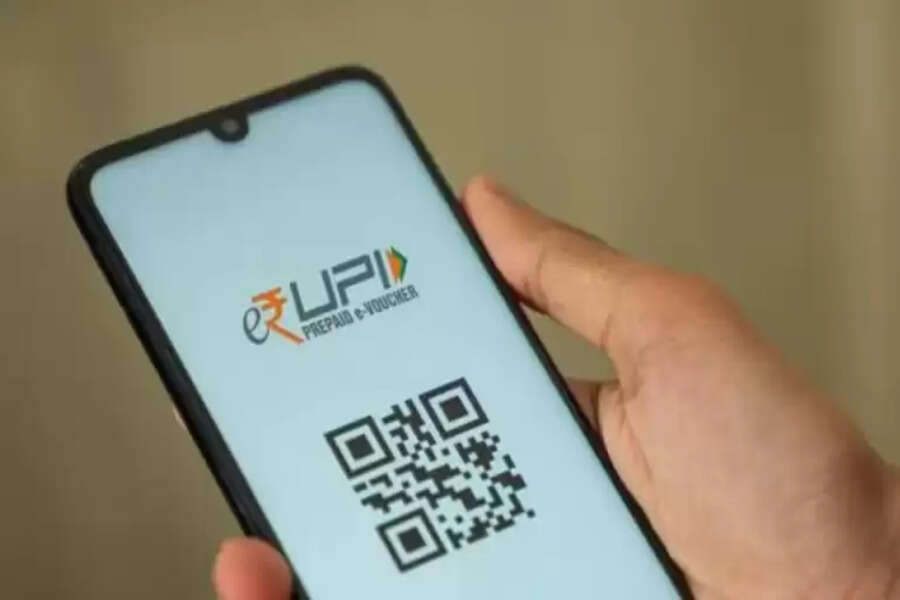
Digital payments have revolutionised the way we transact, making everyday purchases quicker and more convenient than ever before. With just a smartphone and a QR code, people can pay bills, shop at local stores, and transfer money instantly. But behind this convenience lies a growing threat: cybercriminals are increasingly targeting careless digital payment users. Experts have recently highlighted five major warning signs that suggest your scan-and-pay habits may be putting your money in danger.
In a world where online fraud is rising rapidly, being aware of these risks is essential to protecting your hard-earned money. Here are the five red flags you should never ignore.
1. Scanning Unknown or Unverified QR Codes
One of the biggest risks in digital payments comes from scanning random QR codes without verifying their source. Fraudsters often place fake QR codes over genuine ones at shops, parking areas, or public spaces. Once you scan these malicious codes, your payment may get redirected to a scammer’s account.
These fraudulent QR codes often look legitimate, making it difficult for users to spot the difference. If you habitually scan codes without checking, you could unknowingly authorise a payment to the wrong person. Always verify the QR sticker physically and ensure it belongs to the merchant before making a payment.
2. Making Payments Over Public Wi-Fi Networks
Public Wi-Fi networks in cafés, malls, airports, or railway stations may seem convenient, but they are extremely unsafe for digital payments. Hackers use these unsecured networks to intercept sensitive financial information, including payment credentials and OTPs.
When you make a scan-and-pay transaction using public Wi-Fi, you expose your device to potential hacking attempts. Cybercriminals can easily access your payment apps or even gain control of your phone remotely. Always switch to mobile data when making any kind of financial transaction.
3. Ignoring Alerts and Notifications From Banks or Payment Apps
Sometimes banks or UPI apps send alerts about suspicious transactions or login attempts. Many users ignore these notifications thinking they are unimportant or routine messages. However, overlooking such warnings can leave your bank account vulnerable to fraud.
Notifications can often be the first signal that someone is trying to access your account. Ignoring them could delay your response and give scammers more time to drain your money. Always review alerts immediately and report anything unusual to your bank.
4. Saving Passwords or PINs on Your Phone
Saving passwords, PINs, or UPI app credentials on your phone might seem convenient, but it can be a major security risk. If your device gets lost, stolen, or hacked, fraudsters can access your saved data instantly. This gives them direct access to your bank accounts, UPI apps, and digital wallet.
Cybersecurity experts strongly advise against using auto-save features for financial apps. Instead, use strong, memorable passwords and two-factor authentication to secure your accounts.
5. Not Checking Your Transaction History Regularly
Many users rarely check their transaction history unless they need to track a payment. This lack of monitoring can delay the detection of fraudulent transactions. Scammers often initiate small unauthorised payments first to test whether the user is paying attention. When these go unnoticed, they attempt larger withdrawals.
Reviewing your bank and UPI app history regularly helps catch suspicious activity early. The faster you report a fraudulent transaction, the higher the chances of recovering your money.
Stay Alert, Stay Secure
Scan-and-pay systems offer immense convenience, but safety must always come first. Avoid scanning unknown QR codes, never make payments on public Wi-Fi, safeguard your passwords, and keep a close eye on your transaction history. A few simple precautions can protect your finances and prevent scammers from taking advantage of your digital habits.
Staying informed and vigilant is the best way to ensure your money remains safe in the digital age.
