
‘The SIM card purchased using your ID has been misused’—this is how the scammers’ game began...
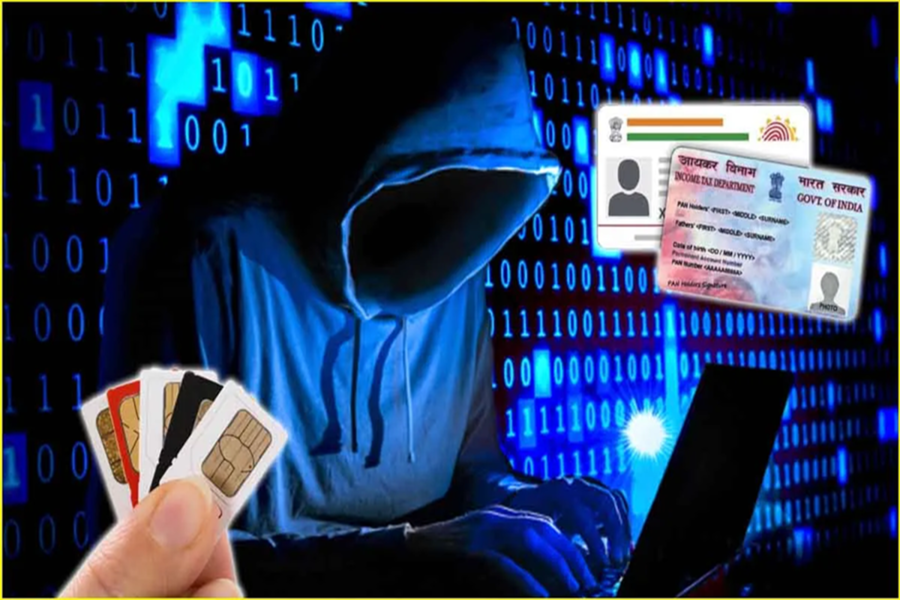
A new case of cyber fraud has come to light; a 61-year-old resident of Mangaluru has been defrauded of ₹2 crore through a "Digital Arrest Scam." You must understand how this elaborate scheme by the scammers began—and how the victim gradually became ensnared in their trap—so that you may learn from this incident and recognize the deceptive tactics scammers employ to ensnare their victims.
**How the Digital Arrest Scam Unfolded**
According to a report by *The Times of India*—citing a case registered at the Mangaluru City CEN Police Station—the incident began on March 31, when the victim received a call from an unknown number. Speaking in English, the caller identified himself as an official from the "National Data Protection Center" and claimed that the victim's identity card had been misused. The fraudster further alleged that an individual in Mumbai had used the 61-year-old man's ID to purchase a SIM card, which was subsequently utilized for illicit activities. These activities reportedly ranged from making threatening calls and circulating obscene content to involvement in narcotics trafficking. The scammer fabricated this elaborate narrative and orchestrated the entire scheme with the sole intention of intimidating the victim.
**The Deception Continues: How the Scam Was Executed**
Fear is a powerful emotion that can compel people to do almost anything—a fact that fraudsters ruthlessly exploit. Intimidating the victim, the scammer claimed that between 30 and 50 FIRs (First Information Reports) had been registered against him at the Colaba Police Station in Mumbai. He further asserted that central agencies, such as the NIA (National Investigation Agency) and the ED (Enforcement Directorate), would soon launch an investigation into the matter.
The fraudsters' scheme did not end there; subsequently, the victim began receiving back-to-back calls on WhatsApp. During one such call, an individual identifying himself as an NIA officer connected the line to a second person, who claimed to hold the rank of ADGP (Additional Director General of Police). To lend an air of credibility to the scam, the victim was asked to provide his personal details as part of a "verification process." The scammers intensified the pressure on the victim by leveling serious allegations against them, including charges of terrorism. The intimidation continued unabated, and the victim was led to believe that, according to government records, they were a major criminal with numerous cases registered against them. In this tactic—also known as a "digital arrest" scam—the victim is convinced that they are under investigation and must comply with instructions to avoid arrest. Threatening legal action, the scammers warned the victim that failure to follow their directives would result in severe consequences.
**Fraud Exceeding ₹2 Crore**
The victim was coerced into transferring money to the scammers' accounts in multiple installments. Between April 7 and April 18, a total sum of ₹2,07,04,600 was transferred to various bank accounts via RTGS. The fact that payments were made over several days highlights the extent to which the fraudsters maintained psychological pressure on the victim for an extended period. After transferring the money, the victim realized they had been defrauded and immediately contacted the police.
**How to Stay Safe**
* Never trust the claims made by a caller from an unknown number, especially if they identify themselves as a government official and attempt to intimidate you.
* If anyone asks for your personal information over the phone, recognize this as a potential scam attempt.
* Never make the mistake of transferring money under duress or in response to threats.
* Immediately report any suspicious activity to the Cyber Crime Helpline at 1930.
Disclaimer: This content has been sourced and edited from TV9. While we have made modifications for clarity and presentation, the original content belongs to its respective authors and website. We do not claim ownership of the content.
