
Railway Recruitment Update: Departmental Exams to Be Held Online; Understand the Difference Between CBT and TBT
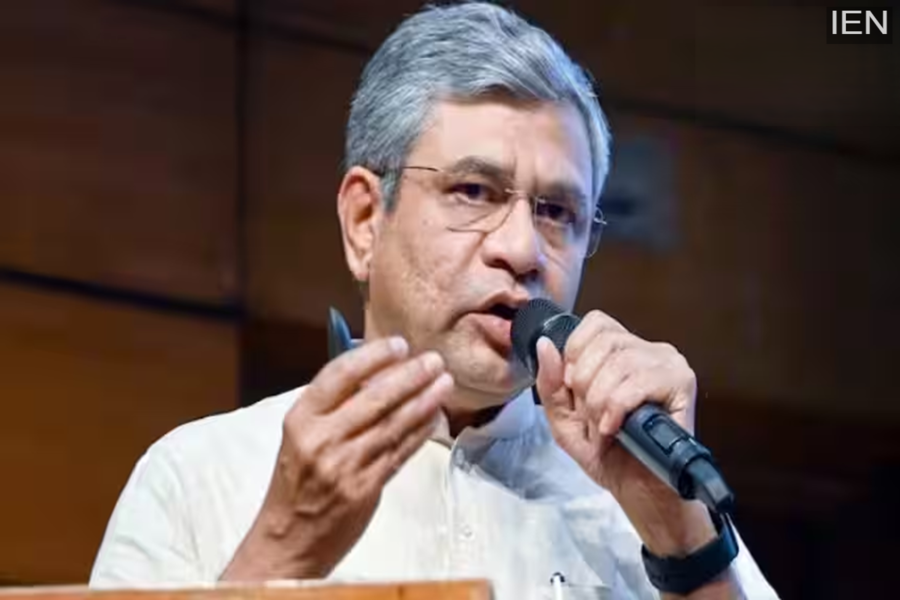
Railway Minister Ashwini Vaishnaw has directed that all departmental examinations be conducted in CBT mode and the scope of TBT be expanded to make railway recruitment processes more transparent and faster.
There is significant news for candidates preparing for railway recruitment. Union Railway Minister Ashwini Vaishnaw reviewed the Railway Recruitment Board (RRB) recruitment process with senior Indian Railways officials and issued several key directives to make recruitment exams more transparent, secure, and efficient.
During a high-level review meeting, the Railway Minister stated that all departmental railway examinations would now be conducted via Computer-Based Tests (CBT). Additionally, he instructed officials to expand the scope of Tablet-Based Testing (TBT) in recruitment exams wherever possible, aiming to make the examination process more efficient and modern.
The meeting placed special emphasis on the transparency, accuracy, and timeliness of the recruitment process. The Railways aims to provide candidates with a better experience during recruitment and to further strengthen the selection process through the use of technology.
What are CBT and TBT?
CBT (Computer-Based Test) and TBT (Tablet-Based Test)—both used in railway recruitment exams—are digital examination systems, yet there are significant differences in their operation and technical infrastructure.
In a Computer-Based Test (CBT), candidates take the exam on desktop computers. This requires large examination centers, computer labs, networking systems, and other technical resources. Currently, the majority of railway and other government recruitment exams are conducted in CBT mode.
In contrast, in a Tablet-Based Test (TBT), candidates take the exam on tablet devices. This method does not require separate keyboards, mice, or large computer setups. Consequently, TBT allows exams to be conducted with minimal infrastructure. According to experts, this system could prove helpful in increasing the number of examination centers and extending testing facilities to remote areas.
Expediting the Railway Recruitment Process
Railway Minister Ashwini Vaishnaw stated that the annual recruitment calendar introduced by the Railways has received a positive response from candidates. It enables aspirants to receive timely information regarding vacancies and recruitment processes. He noted that during the 2025-26 financial year, Indian Railways appointed 43,781 candidates to various positions. The Railways has accelerated the recruitment process through a technology-driven and systematic approach. According to the data, in the last financial year, the Railways recruited 18,799 Assistant Loco Pilots (ALPs), 14,298 Technicians, and 1,376 Paramedical staff members. Appointments were also made in several other categories.
Why is the Railway Recruitment Examination Complex?
The Railway Recruitment Board examination is counted among the largest recruitment exams in the country. According to the Railways, the recruitment process is extremely vast and complex because the exams are conducted across various cities and thousands of centers nationwide.
Given the participation of lakhs of candidates, the exams have to be conducted in multiple shifts. Furthermore, to accommodate candidates from different states, the examination is held in 15 languages. In its statement, the Railways mentioned that successfully managing a multi-city, multi-shift, and multi-lingual examination system requires robust technical infrastructure and extensive coordination. The objective is to ensure fairness, transparency, and standardization in the recruitment process.
