
Could AI Take Away Workers' Jobs? Find Out What Experts Say
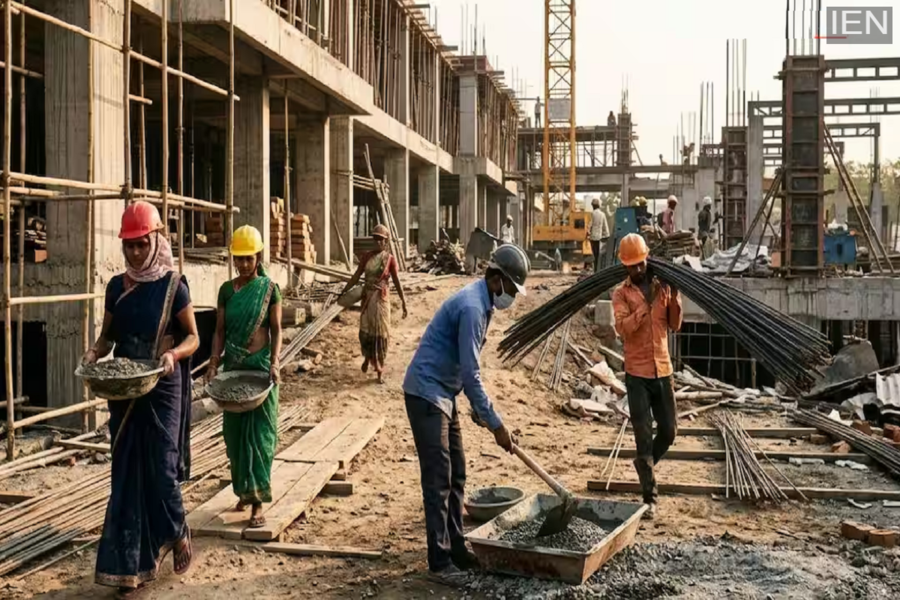
The increasing use of AI and robotics is transforming the way laborers work; specifically, machines are now handling repetitive tasks. Let's explore what the experts have to say.
Today is Labor Day. In light of this, we will discuss whether AI poses a threat to workers' jobs—and what experts think about the matter. Experts hold a slightly nuanced view on the subject. They argue that AI will not completely eliminate jobs, but rather transform the nature of work itself—meaning the tasks remain the same, but the methods employed are new.
According to experts, the impact is being felt first in tasks that are repetitive and routine in nature—such as packaging, sorting goods, assembling parts on a production line, or moving inventory within a warehouse. These tasks are now being executed by robots with greater speed and without the need for rest.
In construction and factory environments, tasks such as recording data and generating reports were previously handled manually on paper. Now, AI software can complete these tasks in a matter of seconds. Inspection processes are also undergoing a transformation; while workers previously relied on visual inspection to detect defects, cameras and AI systems can now identify anomalies with far greater precision. Conversely, when it comes to manual laborers in the construction sector, AI has not yet had a significant impact. However, in the future, AI-assisted technologies could potentially lead to increased efficiency and productivity in construction projects.
Will Workers Become Unemployed?
Experts contend that the situation is not quite that straightforward. The need for human labor is not disappearing; rather, the role of the worker is evolving. Workers will now be required to operate machinery, interpret signals generated by AI systems, remove defective items, and monitor machine performance. In essence, this entails a shift: slightly less manual labor, and slightly more cognitive work.
Why Will the Need for Human Workers Persist?
Machines cannot perform every task. Construction sites, for instance, are dynamic environments where conditions frequently change, necessitating the ability to make immediate decisions. Tasks such as repairs, complex fittings, or work performed in settings that demand human judgment and experience will continue to require a human touch.
New Jobs Are Also Emerging
While some jobs are diminishing, new ones are simultaneously being created. There is now a growing demand for individuals capable of operating and repairing robots, as well as understanding software. In factories, roles such as "AI Supervisor" are now beginning to appear alongside traditional "Machine Operator" positions. In other words, new avenues are opening up for those who have acquired some technical proficiency. Experts suggest that workers should acquire new skills; short-term training courses, knowledge of machine operation, and digital literacy will ensure their continued relevance in the future.
