
National Bird Day 2026: From Peacock to Flamingo, Know the State Birds of Every Indian State
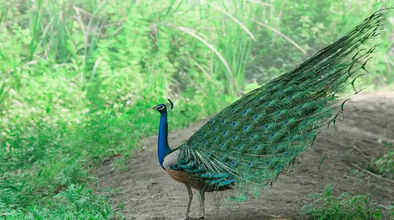
Every year on January 5, National Bird Day is observed to highlight the importance of bird conservation, habitat protection, and environmental awareness. Birds are vital indicators of a healthy ecosystem, and their presence reflects the richness of biodiversity in a region. While most Indians are aware that the Peacock is India’s national bird, fewer people know that each Indian state has its own official state bird, chosen for its cultural, ecological, or regional significance.
On the occasion of National Bird Day 2026, let’s explore the complete list of Indian state birds and understand what makes each of them special.
Why Do States Have Their Own Birds?
State birds are selected to represent local wildlife, regional traditions, and ecological identity. Many of these birds are native to specific habitats such as wetlands, forests, mountains, or grasslands. Some are chosen for their beauty, others for their rarity or symbolic value in folklore and culture.
Recognizing state birds also helps promote conservation efforts, especially for species that are threatened or declining.
State Birds of Northern, Central, and Western India
Several states in northern and western India have selected birds closely connected to rural life and natural landscapes.
-
Andhra Pradesh proudly identifies with the Parrot, symbolizing greenery and vibrancy.
-
Arunachal Pradesh has chosen the Great Hornbill, a bird deeply respected in tribal culture.
-
Assam’s state bird, the White-winged Duck, is one of the rarest waterfowl species in the world.
-
Bihar honors the House Sparrow, a bird closely associated with everyday human life.
-
Chhattisgarh is represented by the Hill Myna, known for its ability to mimic human speech.
-
Goa selected the Bulbul, reflecting the state’s lush biodiversity.
-
Gujarat’s iconic bird is the Greater Flamingo, commonly seen in saline wetlands.
-
Haryana recognizes the Black Francolin, a bird linked to agricultural landscapes.
-
Himachal Pradesh chose the Western Tragopan, a rare bird found in Himalayan forests.
State Birds of Eastern and North-Eastern India
Eastern and northeastern states showcase exceptional avian diversity due to dense forests and rich ecosystems.
-
Jharkhand has the melodious Cuckoo, famous for its soothing call.
-
Manipur and Mizoram share the Mrs. Hume’s Pheasant, a protected and rare species.
-
Meghalaya’s bird is the Hill Myna, associated with thick forest cover.
-
Nagaland represents itself through the colorful Blyth’s Tragopan.
-
Tripura selected the calm and tree-dwelling Green Imperial Pigeon.
-
West Bengal’s state bird is the White-throated Kingfisher, often spotted near water bodies.
-
Sikkim honors the Blood Pheasant, which thrives in cold Himalayan conditions.
State Birds of Southern India
Southern India is known for its diverse bird species and forest ecosystems.
-
Karnataka, Odisha, and Telangana all share the Indian Roller, considered auspicious in many traditions.
-
Kerala identifies with the Great Hornbill, a symbol of rainforest health.
-
Tamil Nadu’s state bird is the Emerald Dove, representing peace and greenery.
Other Indian States and Their Birds
-
Madhya Pradesh chose the Asian Paradise Flycatcher, admired for its long flowing tail.
-
Maharashtra’s state bird, the Yellow-footed Green Pigeon, plays a key role in seed dispersal.
-
Punjab recognizes the Northern Goshawk, a symbol of strength.
-
Rajasthan has the critically endangered Great Indian Bustard as its state bird.
-
Uttar Pradesh honors the Sarus Crane, known for lifelong bonding and loyalty.
-
Uttarakhand’s bird is the Himalayan Monal, famous for its vibrant feathers.
A Reminder for Conservation
National Bird Day is more than a celebration—it is a reminder that protecting birds means protecting nature itself. Habitat loss, pollution, and climate change continue to threaten bird populations across India.
Preserving state birds is not just about symbols; it is about safeguarding the environment for future generations.
