
Why Are Airplanes Painted White? Why are most airplanes in the world white?
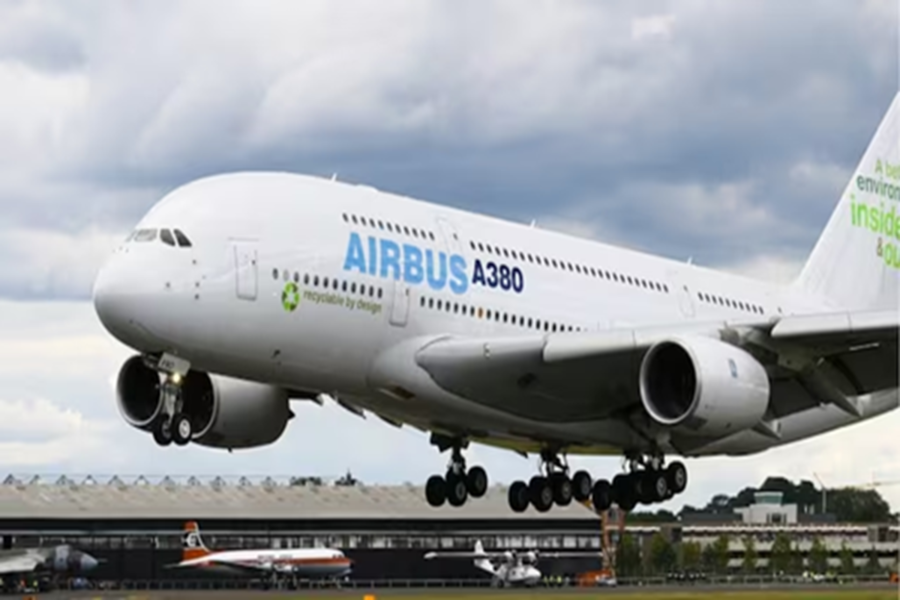
Why Are Airplanes Painted White? Whenever we observe airplanes at an airport, one thing stands out: the vast majority of aircraft worldwide are white. Whether it is a domestic or international airline, the primary color of most planes appears to be white. While many assume this is merely for design or aesthetics, there are significant scientific and practical reasons behind it. In reality, the color white does more than just make the aircraft look attractive; it plays a crucial role in safety, maintenance, and fuel efficiency.
**White Reflects Solar Heat**
A key characteristic of the color white is its ability to reflect a large amount of sunlight. This means less solar heat penetrates the aircraft's interior. In contrast, black or dark colors absorb more heat. When an aircraft sits on the runway or at the airport for extended periods, the white paint prevents it from overheating. This helps regulate the cabin temperature and reduces the strain on the air conditioning system, ultimately saving fuel and ensuring a more comfortable environment for passengers.
**Beneficial for Safety**
Another major advantage of white paint is that minor issues on the aircraft's exterior surface become easily visible. Defects such as cracks, rust, dents, oil leaks, or other forms of damage are quickly spotted against the white background. Detecting problems early allows for prompt repairs and minimizes the risk of major accidents. This is why aviation companies prioritize white paint for safety reasons.
**Easier to Spot in Emergencies**
If an aircraft needs to make an emergency landing or becomes the subject of a search and rescue operation, a white plane is easily visible from a distance. White stands out clearly against various backgrounds—such as the sky, the sea, or the ground—making it easier for rescue teams to locate the aircraft.
**Lower Costs for Airlines**
Painting an aircraft is an expensive process that requires significant amounts of paint and labor. A major advantage of white paint is that it is easy to maintain and fades less compared to other colors. In contrast, darker colors tend to deteriorate or fade more quickly over time, potentially necessitating frequent repainting. Furthermore, white paint retains its appearance for a longer period, thereby reducing painting and maintenance costs for airlines.
**Reduced Weight, Greater Fuel Savings**
The heavier an aircraft is, the more fuel it consumes to fly. White paint typically requires fewer layers, resulting in a lower total paint weight. Even this small reduction in weight can lead to fuel savings amounting to lakhs of rupees for airlines over the long term.
**Protection Against Weather and UV Rays**
Aircraft are constantly exposed to intense sunlight, rain, snow, and fluctuating temperatures. White paint helps protect the aircraft's exterior surface from the sun's harmful UV rays. This minimizes the impact on the aircraft's body and extends its lifespan. This benefit is particularly significant in countries that experience intense sunlight throughout the year.
**Are All Aircraft White?**
While most airlines prefer white, some companies use different colors to strengthen their brand identity.
For instance, some airlines have introduced aircraft featuring special designs in black or dark colors. Nevertheless, even in these cases, lighter colors are often incorporated to maintain the benefits associated with safety and fuel efficiency.
Disclaimer: This content has been sourced and edited from News18 Hindi. While we have made modifications for clarity and presentation, the original content belongs to its respective authors and website. We do not claim ownership of the content.
