
Who steers the CBSE, and what does the country's largest school board do?
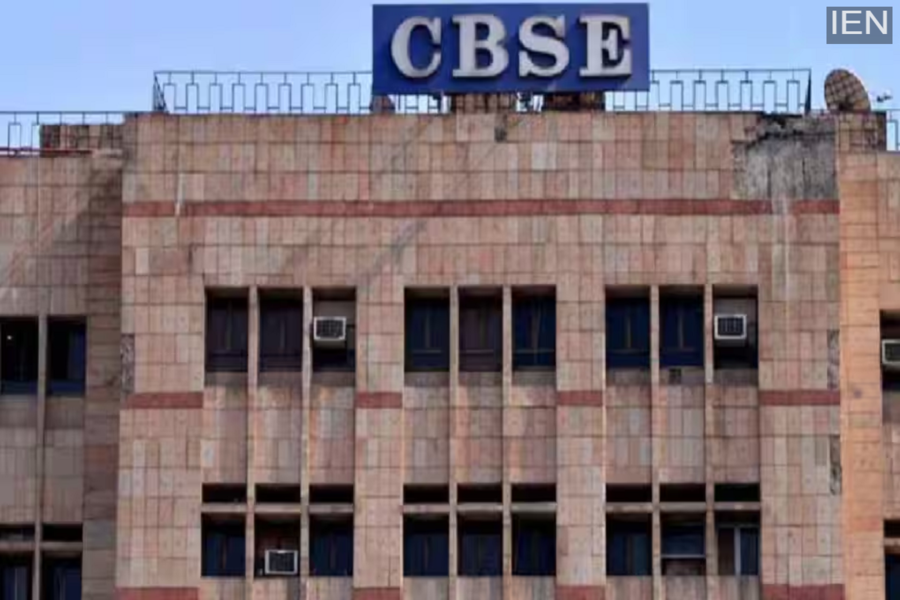
What is the CBSE? What are its responsibilities? How extensive is its reach across the country, and why has it recently been in the news regarding the OSM controversy? Here is the full story of the CBSE...
Whenever the topic of Class 10 and 12 board examinations arises, the CBSE is the first name that comes to mind. Millions of students and parents across the country are associated with this board. However, the CBSE is not merely an examination-conducting body; it is one of the largest boards shaping the direction of the country's school education system. Recently, the CBSE has also been in the headlines for its new digital evaluation system. Given this, it is important to understand what the CBSE is, how it functions, and who holds the reins.
The CBSE—or Central Board of Secondary Education—is a national-level education board operating under the Ministry of Education, Government of India. It was established in 1929. Currently, thousands of schools, both within India and abroad, are affiliated with the CBSE. The board performs crucial functions such as granting affiliation to schools, prescribing curricula, and conducting board examinations.
Why is the CBSE significant in the country's school education system?
The CBSE is considered the most influential school board in the country. Institutions such as Kendriya Vidyalayas, Navodaya Vidyalayas, and a vast number of private schools are affiliated with it. The CBSE curriculum is also regarded as highly important for students preparing for competitive exams like those for medical and engineering courses. Consequently, any decision taken by the board directly impacts millions of students.
What are the key functions of the CBSE?
The CBSE's responsibility extends beyond merely conducting examinations. The board organizes Class 10 and 12 exams, grants affiliation to schools, determines examination patterns, designs evaluation systems, and implements new educational policies. Additionally, various academic reforms and digital initiatives for students are rolled out through this board. Also Read – SBI Recruitment: Massive recruitment drive for 7,150 posts at SBI; apply now if you haven't already—the deadline has been extended.
Who is the head of CBSE?
The highest-ranking official at CBSE is the Chairperson. The Central Government typically appoints a senior administrative officer to this position. In June 2026, the Central Government appointed senior IAS officer Lokhande Prashant Sitaram as the new Chairperson of CBSE. Prior to this, he had handled significant administrative responsibilities within the Central Government.
Academic expert or bureaucrat—who holds the reins?
A distinctive feature of CBSE is that its top leadership is often held by senior IAS officers; in other words, the organization is usually steered by bureaucrats. However, educationists, subject matter experts, and educational specialists also play a crucial role in decisions regarding the curriculum, examinations, and education itself. Consequently, CBSE is considered a hybrid model combining administrative and academic expertise.
CBSE in the spotlight due to the OSM controversy
Recently, CBSE's new On-Screen Marking (OSM) system became the subject of controversy. This is a digital evaluation system used to assess answer sheets online. Some students and parents raised concerns regarding the evaluation process, the scanned answer sheets, and the overall transparency. The issue escalated to the point where the Central Government ordered an inquiry, and changes were made to the board's top leadership. Subsequently, the Delhi High Court also sought a response from the Central Government and CBSE regarding a petition filed on this matter.
