
What is the difference between an NRI and an OCI? Who can buy property in India, and who can vote?
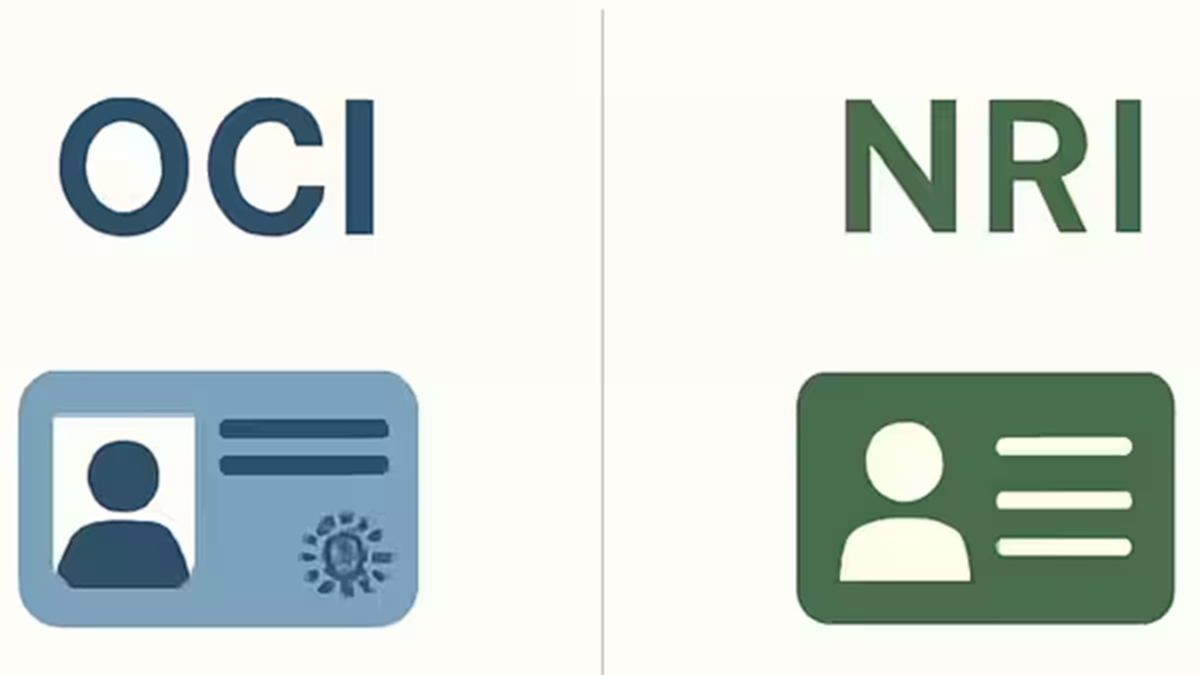
General Knowledge – Difference between NRI and OCI: Whenever we talk about Indians living abroad, terms like 'NRI' and 'OCI' often come up. In casual conversation, many people mistake them for the same thing. However, from a legal and citizenship perspective, there is a significant difference between the two. NRIs are Indian citizens who reside abroad solely for work or education. In contrast, OCIs are people of Indian origin who have acquired foreign citizenship.
If you have relatives living abroad or are planning to move overseas yourself, it is crucial to understand the distinction between an NRI and an OCI. Their rights differ significantly in areas ranging from citizenship and voting rights to tax regulations and property ownership in India. In today's 'General Knowledge' section, let us understand the difference between an NRI and an OCI and how they differ from each other.
What is the difference between an NRI and an OCI?
NRI stands for 'Non-Resident Indian,' while OCI stands for 'Overseas Citizen of India.' Here are some basic differences between the two.
Citizenship and Passport: Who is an Indian Citizen?
NRIs (Non-Resident Indians) are citizens of India. They hold an Indian passport. They simply spend more than 182 days a year abroad for work, business, or education. On the other hand, OCIs (Overseas Citizens of India) are individuals of Indian origin settled abroad who have acquired citizenship of that foreign country. They hold a foreign passport but are issued a special OCI card by the Government of India.
Right to Vote and Contest Elections
NRIs hold an Indian passport; therefore, they have the full right to vote in India. They can also contest elections and hold government jobs in India. However, OCI cardholders do not possess these rights. They cannot vote in India, contest elections, or hold positions such as President, Judge, or any constitutional office.
Freedom of Travel and Residence
NRIs can visit India and leave whenever they wish, as they are citizens of the country. The Government of India also extends a significant benefit to OCI cardholders: they do not need to obtain a visa repeatedly to visit India. The OCI card acts as a sort of "lifetime visa"; holders can visit India as often as they like and stay for any duration without the requirement of police reporting.
Rules for Purchasing Property and Land
Both NRIs and OCIs can purchase houses, flats, or commercial properties in India. However, there is a major caveat: neither NRIs nor OCIs are permitted to buy agricultural land, farmhouses, or plantation properties in India. That said, if they inherit such land as an ancestral asset, they are allowed to retain ownership of it.
Taxation and Earnings
Taxation rules are largely similar for both categories. If an NRI or OCI earns income outside India, no tax is payable to the Indian government on that foreign income. However, if they generate income within India—such as rent from a property, interest on bank deposits, or business earnings—they are required to pay tax in India on that income in accordance with the regulations.
While the status of NRIs and OCIs differs, the Government of India uses both these avenues to keep the global Indian community connected to its roots.
Disclaimer: This content has been sourced and edited from News18 Hindi. While we have made modifications for clarity and presentation, the original content belongs to its respective authors and website. We do not claim ownership of the content.
