
US Public School System: Is everything free in American public schools? Can Indian children get admission?
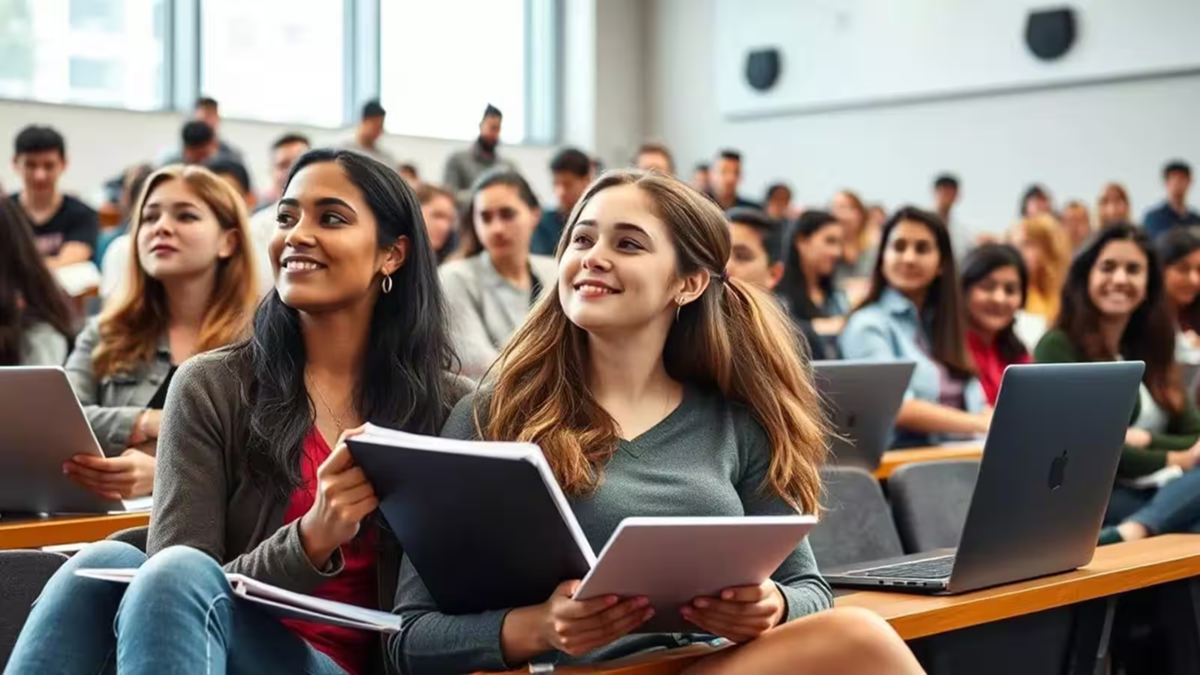
US Public School System: When discussing the education systems of developed nations, American public schools (government-funded schools) inevitably come to mind. In the US, "public school" signifies free, taxpayer-funded education. There is no tuition fee for schooling from Kindergarten through 12th grade (K-12). Do you know what kind of facilities American public schools offer—amenities that are often unavailable even in expensive private schools in many other countries?
American schools do not limit themselves to imparting textbook knowledge; they focus on the overall personality development of the students. Everything—from the iconic yellow school buses to the high-tech gadgets in classrooms—is designed with the student's convenience in mind. Funded by local taxes and state government resources, these public schools strive to provide a safe, modern, and equitable environment for children. Let’s explore the key facilities available to students in American public schools.
6 Key Facilities Offered in American Public Schools
While students in most Indian government schools often study amidst a lack of facilities, American public schools are well-resourced. Here is a look at the amenities provided to students there:
1. Free Bus Transportation
The most recognizable feature of American public schools is their iconic "yellow school buses." Every student residing within the school district's jurisdiction receives free or very low-cost bus service to and from a point near their home. These buses are highly safe, and other vehicles are legally required to stop whenever the bus halts on the road.
2. Nutritious Meal Program (Free/Subsidized Food)
Under the National School Lunch Program (NSLP), all students are provided with breakfast and lunch at school. Children from low-income families receive these meals for free or at a significant discount. The school meals prioritize a balanced diet, including milk, fruits, and vegetables. The system ensures that no child has to study on an empty stomach.
3. Technology and Free Devices
Nowadays, a "1:1 technology" policy is implemented in most US public schools. This means every child is provided with a school-issued Chromebook, laptop, or iPad for their studies. Everything—from textbooks to assignments and homework—is handled via digital portals. Equipping children with technology skills is essential for the modern era.
4. Special Education and Therapy (IEP Support)
If a child has learning difficulties or a physical or mental disability, they receive an "Individualized Education Program" (IEP) under US law (IDEA). This includes access to special educators, speech therapists, and occupational therapists right on the school campus, at no additional cost to the family.
5. World-Class Sports and Extracurricular Activities
US public schools place a strong emphasis on sports alongside academics. These schools feature facilities such as football fields, basketball courts, swimming pools, and running tracks. Additionally, children have ample opportunities to hone their talents through activities like music bands, drama clubs, robotics, and coding.
6. Mental Health and Career Counseling
Every US public school has qualified school counselors and certified nurses on staff. Counselors assist children who are dealing with stress, bullying, or mental health issues. Furthermore, high school students receive proper counseling for college selection and career guidance.
How do you get admission to a US public school?
Admission to a US public school depends on the child's visa and immigration status:
If parents are residing in the US on an H-1B, L-1, or other valid work or study visa, their children (such as H-4 or L-2 visa holders) are entitled to free education from Kindergarten through 12th grade (K-12).
If a student wishes to travel directly from India to the US solely for the purpose of attending school, US immigration regulations allow admission only to grades 9 through 12 (high school) on an F-1 visa. This is limited to a maximum duration of one year and requires payment of the full tuition fee charged by the school district (approximately $10,000 to $15,000).
Indian students can also study in US public schools for one year under a cultural exchange program (J-1 visa).
Disclaimer: This content has been sourced and edited from News18 Hindi. While we have made modifications for clarity and presentation, the original content belongs to its respective authors and website. We do not claim ownership of the content.
