
UPSC Topper Zinnia Aurora Reveals Her Success Formula for AIR 6 in UPSC CSE 2025
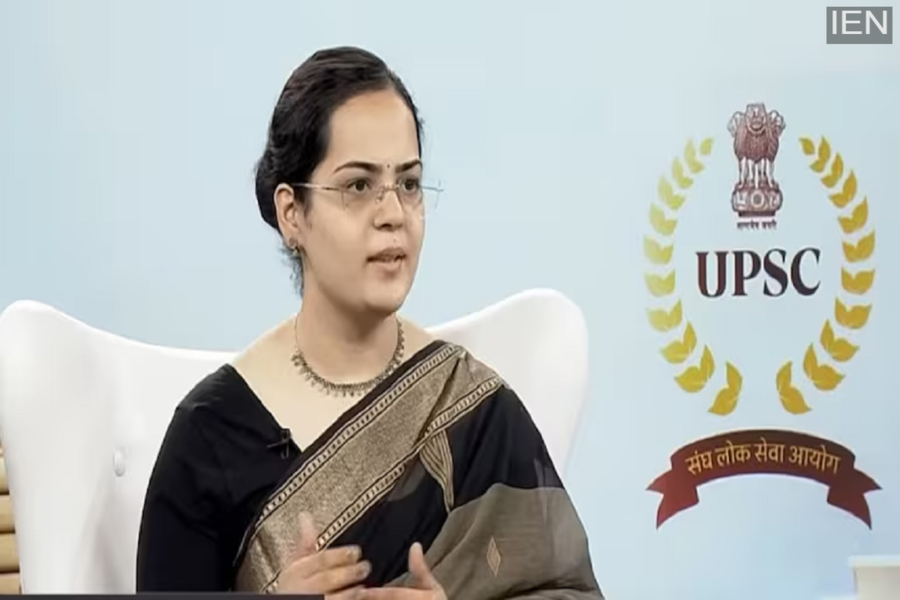
Cracking the prestigious Union Public Service Commission Civil Services Examination is often considered one of the toughest academic challenges in India. Many aspirants believe success in UPSC demands endless study hours, complete isolation from social life, and an exhausting routine. However, UPSC CSE 2025 topper Zinnia Aurora, who secured All India Rank 6, has challenged these assumptions with a smarter and more balanced preparation strategy.
Instead of following extreme study schedules, Zinnia focused on consistency, deep concentration, strategic breaks, and mental well-being throughout her preparation journey. In a recent interview, she shared detailed insights into her study routine, ethics preparation strategy, interview approach, and the methods that helped her achieve one of the top ranks in the country.
Her preparation strategy is now inspiring thousands of UPSC aspirants looking for a sustainable and effective way to prepare for the civil services examination.
मिलिए Zinnia Aurora से, जिन्होंने कठिन संघर्ष, अनुशासन और आत्मविश्वास के दम पर UPSC में AIR 6 हासिल की।
— SansadTV (@sansad_tv) May 19, 2026
पहले प्रीलिम्स में असफलता से लेकर IPS अधिकारी बनने और फिर AIR 6 तक का उनका सफर बेहद प्रेरणादायक है।
#UPSC #SuccessStory #ApnaAasmaan #Inspiration #ssc #knowledge #IPS #IAS… pic.twitter.com/Vpb3yEeCoY
Early Morning Study Sessions Became Her Biggest Strength
Zinnia strongly believed in utilizing the early morning hours for the most difficult subjects and intensive study sessions.
According to her, the period between 4 AM and 7 AM became the most productive part of her day because the mind remains fresh and distractions are minimal during those hours.
She used this time exclusively for:
- Difficult subjects
- Conceptual topics
- Deep analytical study
- Subjects she feared the most
She emphasized that simply waking up early is not enough. The key is to reserve the first few hours of the day for high-focus learning without distractions like mobile phones, social media, newspapers, or casual revision.
This disciplined early-morning study habit helped her strengthen weak areas steadily over time.
Deep Work Cycles Helped Improve Productivity
Rather than studying randomly throughout the day, Zinnia designed her preparation around “deep work cycles.”
After completing her first morning study session, she took a planned break between 7 AM and 8 AM for breakfast and light exercise.
She then resumed another focused study block from 9 AM to 12 PM.
According to her, three-hour uninterrupted study sessions were ideal for maintaining concentration and absorbing information effectively. She avoided unnecessarily stretching study hours beyond mental capacity.
This structured approach helped her maintain consistency without feeling mentally exhausted.
Smart Afternoon Routine Kept Her Mentally Fresh
Zinnia admitted that afternoon hours are usually the most difficult period for maintaining energy and concentration.
Instead of forcing herself into intense study during low-energy periods, she used the afternoon strategically.
Between 12 PM and 1 PM, she focused mainly on:
- Newspaper reading
- Current affairs
- Light academic tasks
This allowed her to stay productive without putting excessive pressure on herself.
She also considered rest and physical health equally important during UPSC preparation. From 1 PM to 3 PM, she reserved time for lunch, relaxation, and mental recovery.
According to her, long-term UPSC preparation is impossible without maintaining physical and emotional balance.
Evening Hours Reserved for Revision and Analysis
Zinnia avoided heavy conceptual study during evening hours. Instead, she dedicated evenings to revision and self-analysis activities.
Her evening routine included:
- Revision sessions
- Mock test analysis
- Group discussions with peers
- Geography mapping exercises
- Listening to educational podcasts
She believed feedback and discussion are extremely important during UPSC preparation. According to her, studying in isolation without evaluating mistakes leads to incomplete preparation.
Group discussions and answer review sessions helped her identify weak areas regularly.
Consistency More Important Than Studying 15 Hours Daily
One of the most important lessons from Zinnia’s journey is that consistency matters more than unrealistic study hours.
She said the human mind can maintain deep focus only up to a certain limit. For most of her preparation period, she studied around 7 to 8 hours daily with complete concentration.
However, during the final month before the examination, she temporarily increased her study schedule to 11–12 hours daily for revision and intensive practice.
She also used mock tests not only for score evaluation but as a roadmap to understand which topics required more attention.
This helped her continuously refine her preparation strategy.
Her Strategy for Ethics and Interview Preparation
Zinnia’s approach toward Ethics and Interview preparation also played a crucial role in her success.
For the Ethics paper, she focused on:
- Writing answers in simple language
- Using practical examples
- Adding emotional and human perspectives
- Referring to philosophy and management theories
- Including examples from real-life experiences
She believed that ethics answers become stronger when candidates connect theory with practical human situations.
How She Prepared for the UPSC Interview
For the personality test and interview round, Zinnia concentrated heavily on her Detailed Application Form (DAF).
She regularly analyzed current affairs headlines and tried to understand their larger policy implications rather than memorizing facts.
To improve her understanding of governance and policymaking, she referred to:
- NITI Aayog papers
- Government policy documents
- Books written by former Cabinet Secretaries
Her preparation focused on clarity of thought, balanced opinions, and awareness of national issues.
A Smarter Approach Instead of Extreme Pressure
Zinnia Aurora’s success story highlights that UPSC preparation is not just about studying endlessly. Her journey demonstrates the importance of:
- Strategic planning
- Smart study techniques
- Mental balance
- Consistency
- Self-awareness
- Proper rest and revision
Instead of increasing pressure, she improved the quality of her preparation through discipline and structured learning.
Her balanced approach is now being widely appreciated among UPSC aspirants who often struggle with burnout, stress, and unrealistic expectations during preparation.
For many students, her success story offers a refreshing reminder that smart preparation and consistency can be more powerful than extreme study routines.
