
Uproar Over CBSE’s OSM Process: Learn How Answer Sheets Are Evaluated in Major Global Examination
Uproar Over CBSE’s OSM Process: Learn How Answer Sheets Are Evaluated in Major Global Examinations
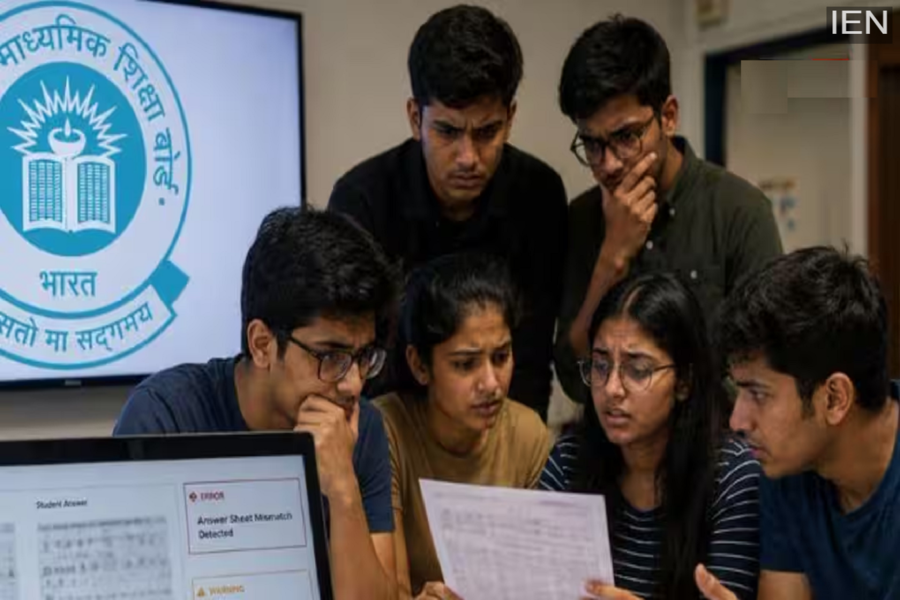
This year, CBSE has adopted a digital On-Screen Marking (OSM) system for evaluating Class 12 answer sheets. However, the process has sparked controversy due to technical glitches and discrepancies found in the answer sheets.
Source: Social Media
The Central Board of Secondary Education (CBSE) has introduced a major change in its Class 12 evaluation process this year by implementing a fully digital On-Screen Marking (OSM) system. However, the introduction of this new system has caused an uproar among students and parents. Many students have complained that their scanned answer sheets appeared blurred; some reported missing pages, while others were shown the answer sheets of entirely different students. These technical glitches have sparked a new debate regarding whether India’s largest examination board was fully prepared for such a massive digital transition, and what technologies other countries around the world utilize for evaluating answer sheets.
What is the On-Screen Marking System?
On-Screen Marking, or OSM, is essentially a modern system for the digital evaluation of answer sheets. Under this system, teachers are not provided with the original paper answer sheets for evaluation; instead, they assign marks by reviewing scanned digital copies of the answer sheets displayed on a computer screen. Students continue to take their examinations in the traditional manner—writing their answers on paper booklets—just as they always have. Once the examinations conclude, all these answer sheets are scanned at secure centers. Subsequently, while maintaining the anonymity of the students, these digital files are transmitted online to evaluators located across the country.
CBSE’s Past Experience and Endeavors
CBSE states that the concept of digitally evaluating answer scripts is not entirely new to the Board. It first took steps toward adopting the OSM (On-Screen Marking) system back in 2014; however, the initiative had to be halted midway due to the unavailability of suitable and advanced scanning technology at that time. In that era, scanning the answer scripts required severing their central binding—a process that posed a significant risk of pages getting mixed up or lost. It was for this very reason that the digital system could not be implemented at that juncture.
The Rationale Behind Implementing the New System
According to CBSE, the primary objective behind fully implementing this digital system this year was to render the evaluation process more secure, efficient, and standardized. The Board believed that online evaluation would help minimize the discrepancies in grading that often arise when teachers from different regions assess scripts. Furthermore, this system would completely eliminate human or clerical errors associated with the tabulation of marks. Additionally, this system facilitates easier monitoring of the teachers evaluating the scripts, thereby enhancing both the transparency and robustness of the entire examination framework.
Global Standards for Digital Marking
From a global perspective, major examination boards in the UK—such as AQA, OCR, and Pearson Edexcel (which conduct high-stakes examinations like the A-Levels)—have been utilizing online marking systems for several years. In those systems as well, all answer scripts are scanned centrally and then distributed digitally to the examiners. In many instances, an individual teacher is not assigned to evaluate an entire answer script; instead, they assess only a specific question across thousands of scripts. This specialized approach significantly enhances both the consistency and accuracy of the grading process.
The Debate: Technology vs. Human Judgment
According to Britain’s exams regulator, Ofqual, the primary objective of online marking was to enhance quality control and ensure stricter supervision of examiners. According to professors, the British examination system differs from those in Asian countries because it requires students to write long-form answers, such as essays. Technology can serve merely as a medium to facilitate the easy delivery of students’ answers to the teachers who evaluate them; however, it can never replace the teacher who assesses a student’s knowledge. Recently, Ofqual also issued guidelines regarding the use of AI in examinations, explicitly retaining the authority for final decision-making in human hands.
What Are the Rules for International Boards?
The International Baccalaureate (IB) board—whose examinations are conducted in over 150 countries worldwide—also relies heavily on digital assessment. Examiners across the globe access scanned answer scripts via online platforms, while senior examiners continuously monitor the quality of the marking process. These various international examples make it clear that the role of technology is solely to assist human examiners, not to conduct the assessment itself. In India, too, ensuring the complete success of this system requires addressing technical glitches and mentally preparing teachers for this transition.
