
UNESCO Report 2026: 95% of Youth May Not Complete Schooling Even by 2105
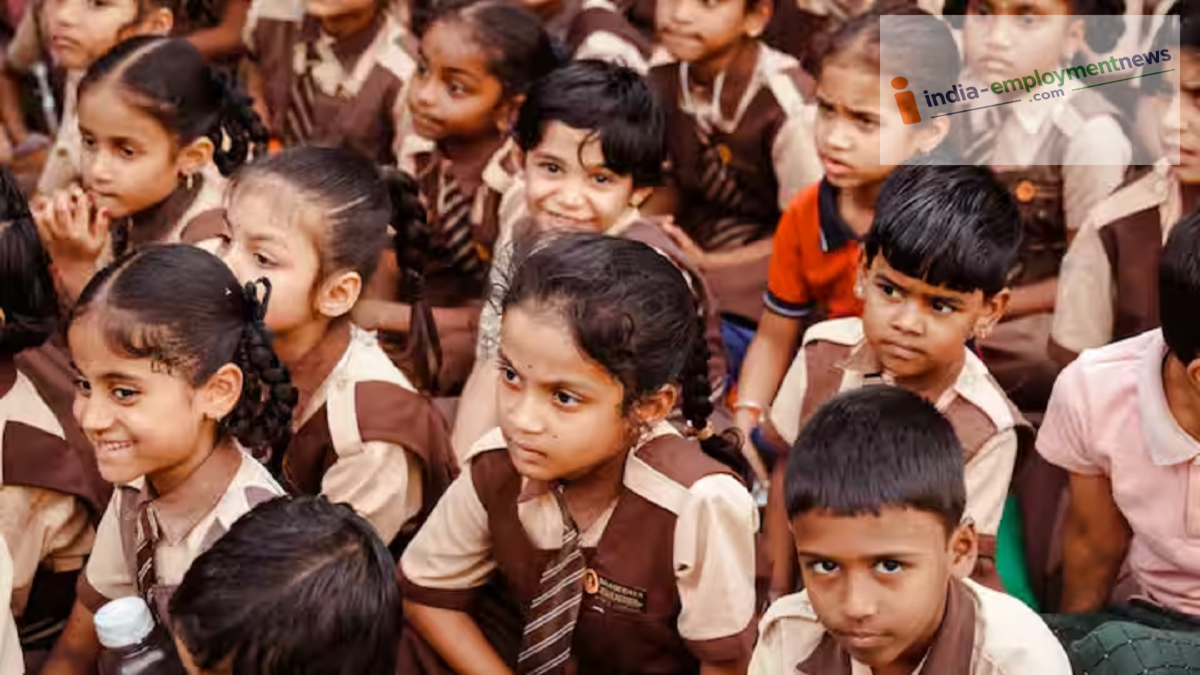
According to a UNESCO report, if the current pace of improvement in the education sector continues, it could take until the year 2105 to reach the target of 95% of the world's youth completing upper secondary education.
UNESCO Report 2026: For decades, efforts have been made globally to promote schooling and ensure that every child has access to education. However, the recently released UNESCO Global Education Monitoring Report 2026 presents a very concerning picture. The report indicates that if the current rate of progress in education persists, it could take until 2105 to achieve the goal of 95% of the world's youth completing upper secondary education. In other words, the global aspiration for all children to complete their schooling remains more than a century away.
According to UNESCO data, there has been a steady increase in the number of children completing their schooling since the year 2000. The global completion rate for primary education has risen from 77% in 2000 to 88% in 2024.
Meanwhile, the completion rate for lower secondary education has increased from 60% to 78%. At the upper secondary level, the figure has improved from 37% to 61%. Despite these positive trends, a significant challenge remains: even today, approximately 4 out of every 10 young people globally leave school without completing their upper secondary education.
The UNESCO report also highlights another serious issue: the failure of students to complete their education, even after having enrolled in school. According to 2024 data, approximately 273 million children and young people worldwide are out of school—a figure equivalent to one in every six children of school age. For the seventh consecutive year, the number of children out of school has risen, driven by factors such as population growth, global conflicts, and cuts to education budgets.
The report highlights the disparity between completing education on time and completing it with a delay. Late enrollment and repeated grade retention cause children to fall significantly behind the level expected for their age. Globally, there is a 4-percentage-point gap between those who complete their education on time and those who complete it with a delay at the lower secondary level; in certain income-group countries, this gap widens to 9 percentage points. Meanwhile, since 2000, the incidence of grade repetition has declined by 62% in primary education and 38% in lower secondary education—yet this has not led to the anticipated improvement in overall completion rates.
The state of education in low-income countries remains deeply concerning. In these nations, for every 100 young people from the wealthiest families who complete upper primary education, only 13 from the poorest families manage to do the same. Similarly, in rural areas, only 30 young people complete upper primary education for every 100 in urban areas. In certain income-group countries, only 79 girls complete upper primary school for every 100 boys, whereas in high-income countries, this figure stands at 106.
UNESCO has warned that since 2015, the pace of keeping children in school has slowed across nearly every region—most notably in sub-Saharan Africa, where population growth has far outpaced available resources. Furthermore, a deepening crisis is unfolding on the financial front. In 2024, public expenditure on education stood at 4.2 percent of GDP and 12.6 percent of total public spending. Out of 183 countries, only 41 were able to meet international benchmarks for education budgets. Meanwhile, global aid for education declined by 8 percent between 2023 and 2024, with a significant 16 percent drop recorded in aid for basic education.
