
UGC: Facilities for differently-abled students in universities and colleges to change; UGC is revising the rules..
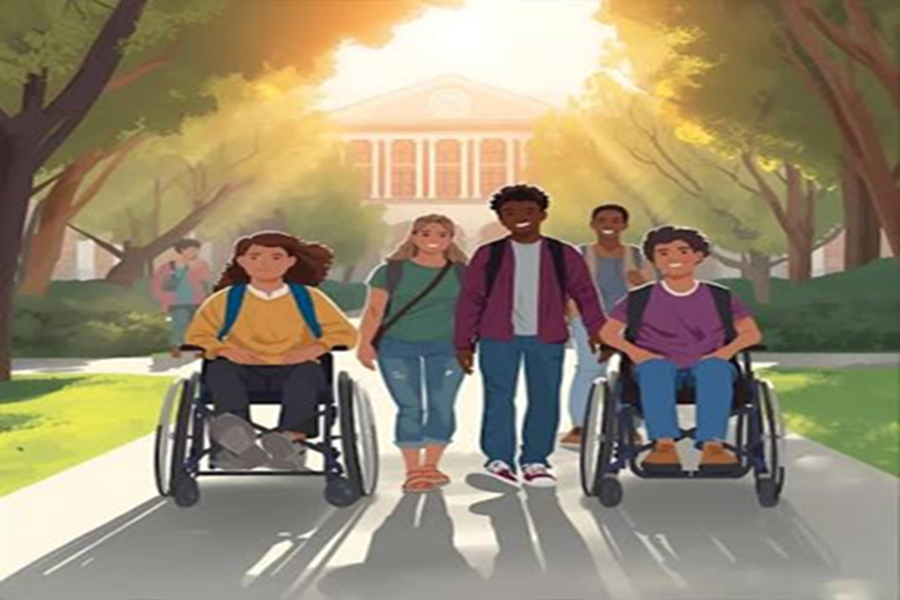
The scope of facilities for students with disabilities studying in universities and colleges across the country is set to expand soon. The University Grants Commission (UGC) has issued new guidelines for higher education institutions aimed at making education more accessible and convenient for students with disabilities. Under these directives, colleges must focus on teaching methods, staff training, assistive devices, e-learning, career counseling, and other essential facilities. This new framework will provide better academic support to students with intellectual disabilities, autism, learning disabilities, and other forms of impairment.
The objective of these new guidelines is to ensure that no student faces academic difficulties due to their disability and that everyone receives necessary facilities promptly.
**Necessary changes in teaching methods**
The UGC has directed colleges and universities to tailor their teaching systems to the specific needs of students. Measures will include providing writing aids, flexible assignment arrangements, extra time, and study breaks when required. This will reduce academic pressure on students and enable them to perform better.
**Raising awareness among teachers and students**
According to the new guidelines, special training programs will be organized for teachers and other staff members to help them better understand the needs of students with disabilities. Additionally, awareness campaigns will be conducted among general students to foster a supportive and sensitive attitude towards their peers with disabilities.
**Access to e-learning, scholarships, and career support**
The UGC has instructed institutions to arrange for additional staff as needed. Furthermore, facilities such as e-learning, distance education, scholarships, fee concessions, apprenticeships, skill-based courses, career counseling, and placement assistance are to be provided, ensuring comprehensive support from education to employment.
**Facilities tailored to specific types of disabilities**
The new guidelines include provisions for specific support catering to various conditions, including physical disabilities, cerebral palsy, cured leprosy, acid attack survival, short stature, and muscular dystrophy. Emphasis has been placed on ensuring specialized furniture, appropriate seating arrangements, mobility aids, writing and typing equipment, communication aids, and easy access to campus and digital resources. The objective of these changes is to provide equal opportunities to all students and make higher education more accessible.
Disclaimer: This content has been sourced and edited from TV9. While we have made modifications for clarity and presentation, the original content belongs to its respective authors and website. We do not claim ownership of the content.
