
The foolproof formula for scoring 90% in board exams: follow these 5 golden rules for 3 months and you’ll become a topper..
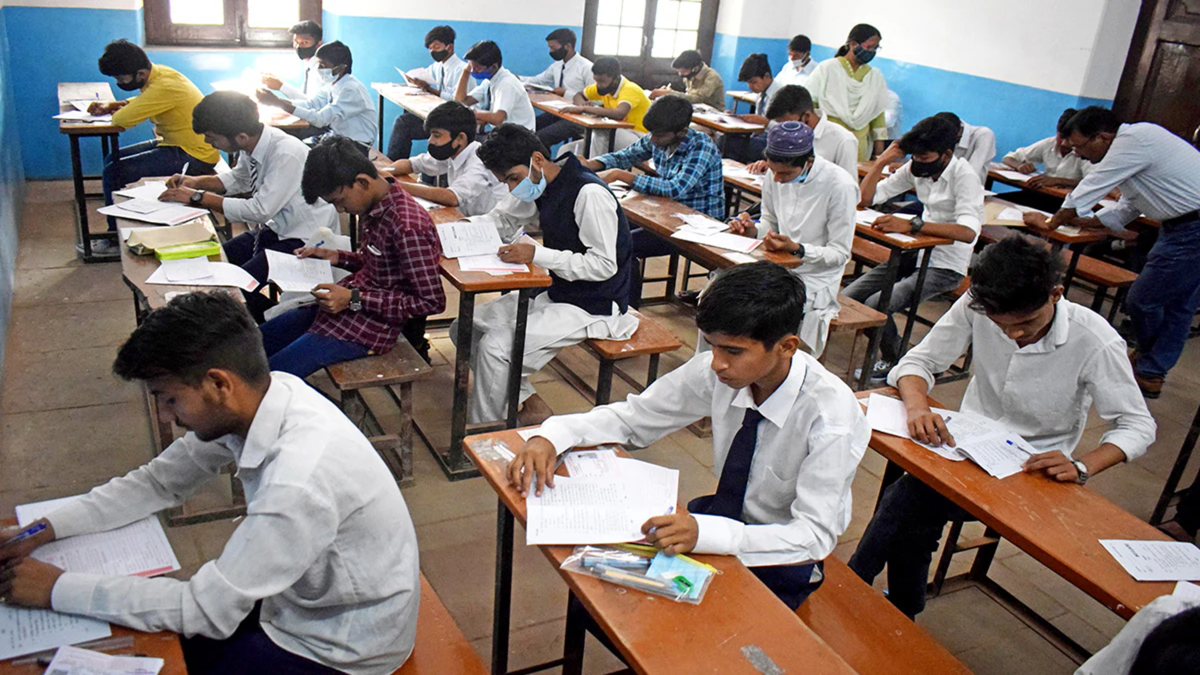
How to Score 90% in Board Exams: The countdown to the 10th and 12th-grade board exams has begun. Several boards—including CBSE, ICSE, ISC, and the state boards of UP, Bihar, Rajasthan, and MP—have already released their date sheets. With November underway, only three months remain to give your preparation its final polish. Often, students spend day and night buried in books, yet fail to make it to the topper list because they lack the right strategy.
You don’t need to study for 16 hours a day to top your board exams; you simply need to study smartly. If you aspire to see a score of over 90% on your 2027 board exam mark sheet, there is no need to panic. By making a few adjustments to your habits starting today, you too can secure a place among the toppers. Discover 5 golden rules for becoming a topper, along with a 90-day master plan designed to make your preparation absolutely perfect.
How to achieve more than 90% marks in the 2027 board exams?
Many students believe that scoring over 90% in board exams requires studying day and night. Some even distance themselves from social media, outings, and hobbies for months on end. Did you know that such sacrifices are not necessary to excel in board exams? You can achieve your goal by shifting from hard work to smart work.
1- Stay focused; treat your NCERT textbooks as your 'bible'
Avoid the mistake of buying new reference books or guides at the last minute. In board exams, 85% to 90% of the questions are derived directly from the concepts and examples found in NCERT or the prescribed board textbooks. Therefore, ensure you thoroughly understand every single line of each chapter, including the information provided in the boxes.
2- Develop the habit of closing the book and writing down what you have studied
Simply reading with your eyes causes the brain to forget information quickly. While studying, create brief bullet points, formula sheets, and flowcharts. Once you finish a topic, close the book and try to write it down or recall it from memory in a rough notebook. This helps prevent the problem of forgetting answers in the examination hall.
3- Previous 10 years' question papers (PYQs) are the key to success
Make sure to solve question papers from the last 5 to 10 years, as well as the official sample papers released by the board. This will help you understand which chapters carry the most marks and how the board frames or twists its questions. This will solidify your preparation.
4- Write your answers in a way that compels the examiner to award marks
In board examinations, marks are also awarded for how you present your answers on the answer sheet:
Always write your answers using bullet points and subheadings instead of long paragraphs.
Underline key terms and dates using a pencil or a black pen.
For subjects like Science and Geography, ensure you include neat, well-labeled diagrams.
5. Take a break from social media and follow the '50-10' rule
For the next 3 months, stay away from Instagram, reels, and unnecessary notifications. Adopt the '50-10' study technique—study with full concentration for 50 minutes, then take a 10-minute break. Additionally, ensure you get 6 to 7 hours of quality sleep every day to keep your mind refreshed.
Master Study Plan for the next 3 months
First month (Complete the syllabus): Dedicate 3 to 4 hours daily to remaining chapters and difficult subjects. Simultaneously, spend 1 to 2 hours revising easier subjects.
Second month (Revision only): Do not start any new topics during this month. Revise using the short notes you have prepared and solve previous year questions (PYQs) for every chapter.
Third month (Exam-mode practice): During the final 30 days, solve a full-length sample paper every alternate day—at the same time as your actual board examination. Correct your mistakes and revise formulas.
Disclaimer: This content has been sourced and edited from News18 Hindi. While we have made modifications for clarity and presentation, the original content belongs to its respective authors and website. We do not claim ownership of the content.
