
Reality Check of Bihar’s New Government Degree Colleges: Many Lack Teachers, Libraries, and Permanent Buildings
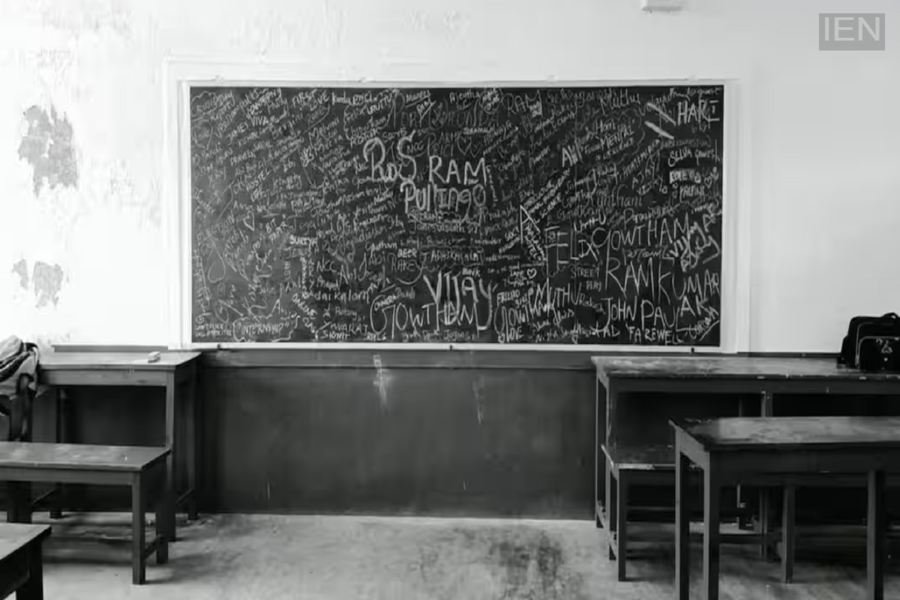
Ground-level investigations reveal that many of the state’s new government degree colleges are not yet operating from permanent campuses. In several locations, these colleges have been temporarily set up within intermediate colleges, schools, or other government buildings.
The Bihar government launched an ambitious plan to open new government degree colleges across 211 blocks in the state, aiming to ensure that students from rural areas do not have to travel far for higher education. On July 15, 2026, Chief Minister Samrat Chaudhary inaugurated these colleges via video conferencing. The government claims this initiative will provide students with opportunities to pursue undergraduate studies within their own districts or nearby areas. However, the situation on the ground differs significantly from these claims; many new colleges lack permanent buildings, sufficient teaching staff, and the basic infrastructure essential for academic activities.
Many Colleges Operating from Temporary Premises
Field inspections indicate that many of the state’s government degree colleges are currently not functioning from permanent campuses. In many instances, colleges have been temporarily established in intermediate colleges, schools, or other government buildings, as the construction of permanent structures is still pending. While rooms designated for libraries have been constructed in several institutions, books are not yet available. Similarly, the setup of furniture, laboratories, and other academic resources remains incomplete in many places. The government states that all facilities will be developed in a phased manner.
Admissions Underway, Yet a Severe Shortage of Teachers
Admissions have commenced for subjects such as History, Hindi, English, Political Science, Sociology, and Economics. Despite this, most colleges have yet to appoint regular teaching staff. Currently, many institutions are being managed by principals, bursars, and teachers sent on deputation. There are several subjects for which students have enrolled, yet no teachers are available to conduct classes.
Library in Purnia, but No Books
Six new government degree colleges have been opened in Purnia district, including in Kenagar, Srinagar, Jalalgarh, Rupauli, and Baisi. Around 120 students have enrolled at the Kenagar Government Degree College. While rooms, tables, and benches are available for conducting classes, the library lacks books. Although there are plans to offer courses in six subjects, only two teachers are currently on staff. One teacher is serving as the teacher-in-charge (acting principal), while the other is posted on deputation. The college administration states that classes for all subjects will commence once regular teachers are appointed.
Many History Students in Muzaffarpur, but No Teachers
Twenty-one students have enrolled so far at the Sarfuddinpur Government Degree College in the Bochahan block of Muzaffarpur district. The highest number of students—13—have opted for History. However, there is no History teacher available at the college. The college is currently operating from the premises of a middle school, where ten classrooms have been allocated for the degree college. At present, the staff consists only of a teacher-in-charge, a bursar, and a night guard. The administration says that regular classes for all subjects will begin once teachers are appointed.
Higher Education Minister Acknowledges Shortcomings
Bihar’s Higher Education Minister, Sanjay Singh Tiger, has acknowledged that many new government degree colleges currently lack permanent buildings and sufficient teaching staff. He stated that the government decided to launch the colleges first, while building construction, teacher recruitment, and the development of other necessary facilities would be carried out in a phased manner. According to the Minister, the department is working continuously, and necessary resources will be provided to all these colleges in the future to ensure students receive better educational facilities.
