
Physics was grueling, Chemistry was baffling—was the Re-NEET tougher than the May 3rd paper?
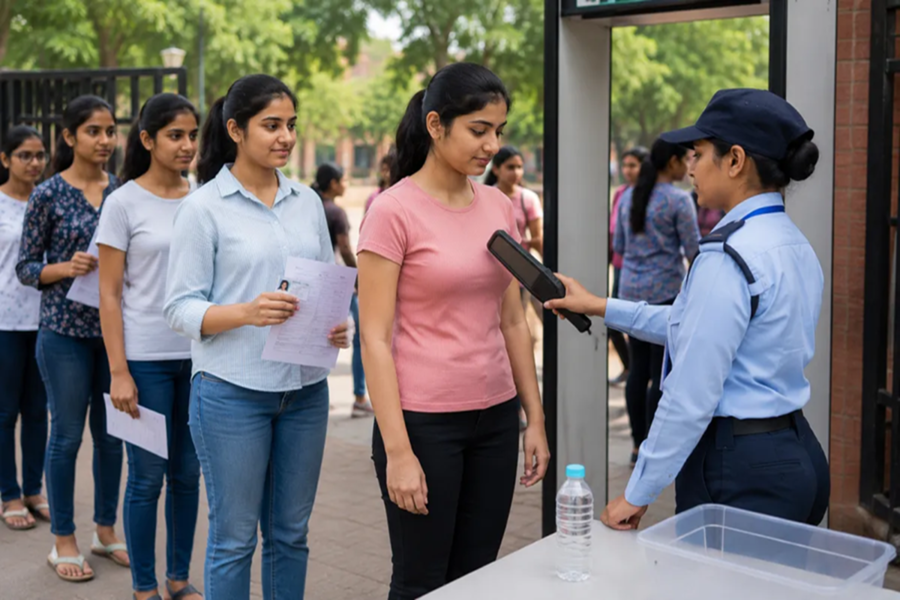
NEET UG 2026 Paper Analysis: The NEET UG re-test took place yesterday, June 21, 2026. Over 20 lakh candidates appeared for the exam across more than 5,000 centers. The paper was vastly different from what the candidates had anticipated or what appeared in the regular session held on May 3. Candidates displayed mixed reactions as they exited the exam centers. While the May 3 paper featured direct questions from NCERT, the re-test tested patience, speed, and the depth of conceptual understanding.
According to Nabin Karki, National Academic Director (Medical) at Aakash Educational Services Limited (AESL), the NEET UG re-test has shifted the competitive landscape. It falls into the 'moderate to difficult' category. The paper emphasized analysis and calculation over rote learning. This shift is expected to impact the NEET UG results; experts predict that the All India Quota cut-off could drop significantly compared to earlier estimates due to the challenging nature of the questions.
Re-NEET 2026 Analysis: A far more grueling experience than the May 3 exam
According to Nabin Karki (AESL), the re-test held on June 21 was significantly more difficult and exhausting than the initial session on May 3. While the previous paper was straightforward, this one rigorously tested the depth of the students' conceptual knowledge.
Physics: The most lengthy and daunting section
The Physics section proved to be the most difficult and time-consuming part of the entire paper. The questions revolved around core topics such as Mechanics, Electrodynamics, Modern Physics, and Thermodynamics. Application-based questions and complex numerical problems placed immense time pressure on students, and many were unable to complete the section within the allotted time. Chemistry: Rote Learning Won't Suffice
The Chemistry section was significantly different and more difficult than the paper held on May 3rd. Physical Chemistry involved lengthy and complex calculations that integrated multiple concepts. Meanwhile, Organic Chemistry tested a deep understanding of reaction mechanisms rather than asking straightforward questions. Students who lacked in-depth study found the answer choices highly confusing.
Biology: Smooth Sailing, Though Zoology Posed Some Challenges
As always, the Biology section proved to be the biggest asset and the highest-scoring area. The paper aligned with the core NCERT syllabus, with a strong emphasis on topics such as Genetics, Physiology, Reproduction, and Ecology. However, some options in the Zoology section were tricky and controversial; the presence of multiple potentially correct answers led to confusion among students.
NEET UG Expected Cut-off: Likely to Drop Below 600
The difficulty of the NEET UG paper, the lengthy calculations, and the confusing nature of the questions will significantly impact the cut-off. Expert Nabin Karki estimates that the All India Quota (AIQ) cut-off for the General category in government medical colleges will drop this time, likely settling between 590 and 600 marks.
Conceptual Clarity is Key to Becoming a Doctor
The re-conducted NEET exam has proven that rote learning alone is insufficient for securing a top rank. While one might score well in Biology through memorization, securing a seat in a government medical college hinges on conceptual clarity and the stamina to solve numerical problems in Physics and Chemistry—factors that prove to be the real game-changers.
Disclaimer: This content has been sourced and edited from News18 Hindi. While we have made modifications for clarity and presentation, the original content belongs to its respective authors and website. We do not claim ownership of the content.
