
NMC warning: Fraudulent medical colleges and scams in the name of admissions—verify thoroughly before paying any fees..
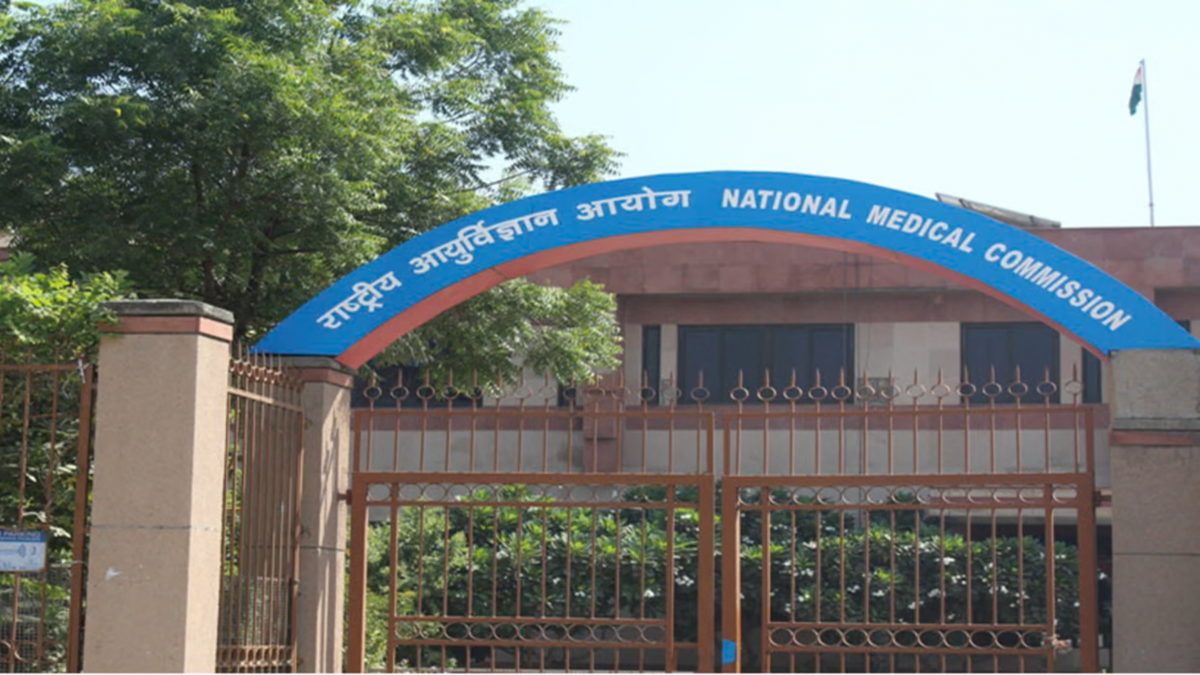
The National Medical Commission (NMC) has advised students and parents to be cautious of fake medical colleges and fraudulent admission offers. The Commission has urged them to verify the authenticity and regulatory approval of any medical college before seeking admission or paying fees. This warning follows reports of certain institutions claiming to conduct medical courses without the necessary statutory authorization.
Following which Supreme Court directive was this advisory issued?
The NMC issued this advisory in compliance with directives from the Supreme Court, in the case of 'Ayesha Jain vs. Amity University, Noida & Ors.' In this matter, the Supreme Court instructed regulatory bodies to warn students and parents about educational institutions whose authenticity and official approval have not been verified, as enrolling in them could be risky. This directive was issued in the context of an alleged fake medical college, which was reportedly operating out of a farmhouse while claiming to offer various courses.
What should be kept in mind before seeking admission to an MBBS program?
The NMC has advised students seeking admission to MBBS programs to verify whether the medical college is included in the official list and has received authorization for the relevant academic session. The Commission clarified that the mere presence of a college on an official list, or the fact that it operated in previous years, does not guarantee that it has been granted permission to admit students for the current or future academic sessions. Students should independently verify the following:
Whether the medical college has received permission for the specific academic session.
Whether the relevant course has been duly approved.
The number of seats for which the college is authorized to admit students.
The status of the college according to the official records of the NMC and the Medical Assessment and Rating Board (MARB).
Which documents and advertisements should one be wary of? The National Medical Commission (NMC) has advised students against seeking admission based solely on the promotional material or claims made by colleges. According to the Commission, students should not base their decisions exclusively on information provided through the following channels:
College brochures
Institutional websites
Social media posts
Alleged permission or approval letters circulated by the college or its representatives
It is essential to verify all such information through official channels.
Which channels should be used for admission?
The NMC has stated that for admissions where a counseling process is mandatory, candidates must rely exclusively on official channels.
Students should complete the admission process through the Medical Counselling Committee (MCC) or the competent counseling authority of the respective state or union territory. The Commission has also warned against making payments—in the name of admission—to unauthorized agents, private bank accounts, or intermediaries whose credibility has not been verified.
Does recognition from another entity grant permission to conduct an MBBS program?
The NMC has provided an important clarification in this regard. The Commission stated, "Any approval, affiliation, registration, or recognition granted by an authority for a specific purpose should not be construed as permission from the National Medical Commission to conduct an MBBS course."
In other words, the mere fact that an institution holds recognition from another authority does not authorize it to offer an MBBS program.
What should be done if information about a fake medical college is discovered?
The NMC has urged students and parents to report any instances of fake medical colleges, MBBS programs being conducted without authorization, forged permission letters, or fraudulent admission offers to the NMC or other competent authorities.
The Commission has further clarified that courses in pharmacy, nursing, Ayurveda, and allied healthcare fall under the purview of separate statutory or regulatory bodies. Therefore, the recognition and regulatory status of such courses should be verified directly with the respective competent authorities. According to the NMC, it is essential to conduct timely inquiries and report any suspicious activities. This can help protect students from financial loss, prevent the misuse of the names of statutory bodies, and uphold the standards and credibility of medical education.
Disclaimer: This content has been sourced and edited from Amar Ujala. While we modified it for clarity and presentation, the original content belongs to its respective authors and website. We do not claim ownership of the content.
