
NCERT has made a major change to its history textbook; six pages will now be dedicated to Mahmud of Ghazni in the Class 7 curriculum..
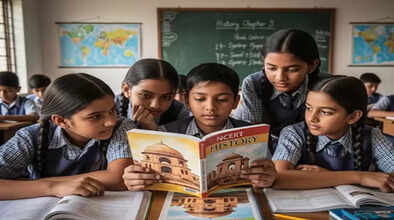
NCERT History Book: The NCERT Social Science textbook for Class 7, released for the new academic session, now includes a larger and more detailed section on the invasions of Mahmud of Ghazni. Previously, the old Class 8 textbook only had a single paragraph on this topic. The mention of "Ghazni's destruction and looting" was presented in a small box with the term "foreign invader." However, the new book features a six-page section under the heading "Ghaznavid Invasions."
Historians have long hesitated to focus on such invaders, but the new approach will teach students to confront and analyze these events. This will help them understand how these events unfolded in the past and how they can be prevented in the future. This section of the book openly acknowledges the brutal, violent, and plundering nature of these invasions, mentioning the massacre of thousands of Indian citizens and the sale of captives.
Why did NCERT change the history syllabus?
This move by NCERT will allow for a more accurate presentation of historical facts. The old NCERT editions emphasized the construction of large temples that showcased the power and wealth of rulers. However, less attention was given to Mahmud of Ghazni's looting and targeting of these temples. The new book also incorporates the approach of historians who believed that the temples were destroyed because they were built with public funds. It includes quotes from Al-Biruni, who mentions the breaking of the Shiva lingam and the destruction of idols at the Somnath temple.
The Brutal Character of the Invasions in the NCERT Book
The "Ghaznavid Invasions" section in the new Class 7 NCERT book explains that Mahmud of Ghazni's campaigns involved the massacre of thousands of Indian citizens. Many of these people were taken captive and sold in the markets of Central Asia. The book explicitly states that such acts were not only cruel but also religiously motivated, aimed at killing or enslaving non-Muslims (infidels).
Somnath and Mathura Mentioned
The NCERT Class 7 history syllabus details Mahmud of Ghazni's 17 invasions. It specifically mentions the destruction of temples in Mathura and the statues of kings in Kannauj. The most significant detail is the attack on Somnath, Gujarat. This section also quotes a statement by Dr. Rajendra Prasad, made when he inaugurated the reconstruction of the Somnath temple in 1950, where fragments of the idols had been deliberately embedded in the doors of the mosque.
Chola Empire and Bakhtiyar Khilji
This new chapter in the NCERT Class 7 history book runs alongside topics such as the naval expansion of the Chola Empire and the military campaigns of Bakhtiyar Khilji, who destroyed major universities like Nalanda and Vikramshila. The book also mentions that the Cholas left no scope for invaders in the southern parts of India, presenting a stark contrast to the situation in North India.
Summary of Key Changes
Page Count: Now a dedicated 6-page section on the Ghaznavid invasions.
Title: Previously just a paragraph, now under the heading ‘Ghaznavid Invasions’.
Focus: Now, there is a greater emphasis on the brutality, plunder, and religious motivation of the invasions.
Mentions: Includes detailed descriptions of the destruction of Somnath and Mathura.
Disclaimer: This content has been sourced and edited from News 18 hindi. While we have made modifications for clarity and presentation, the original content belongs to its respective authors and website. We do not claim ownership of the content.
