
National Solidarity Day: Why is this day observed on October 20th? What is its connection to the 1962 India-China war?
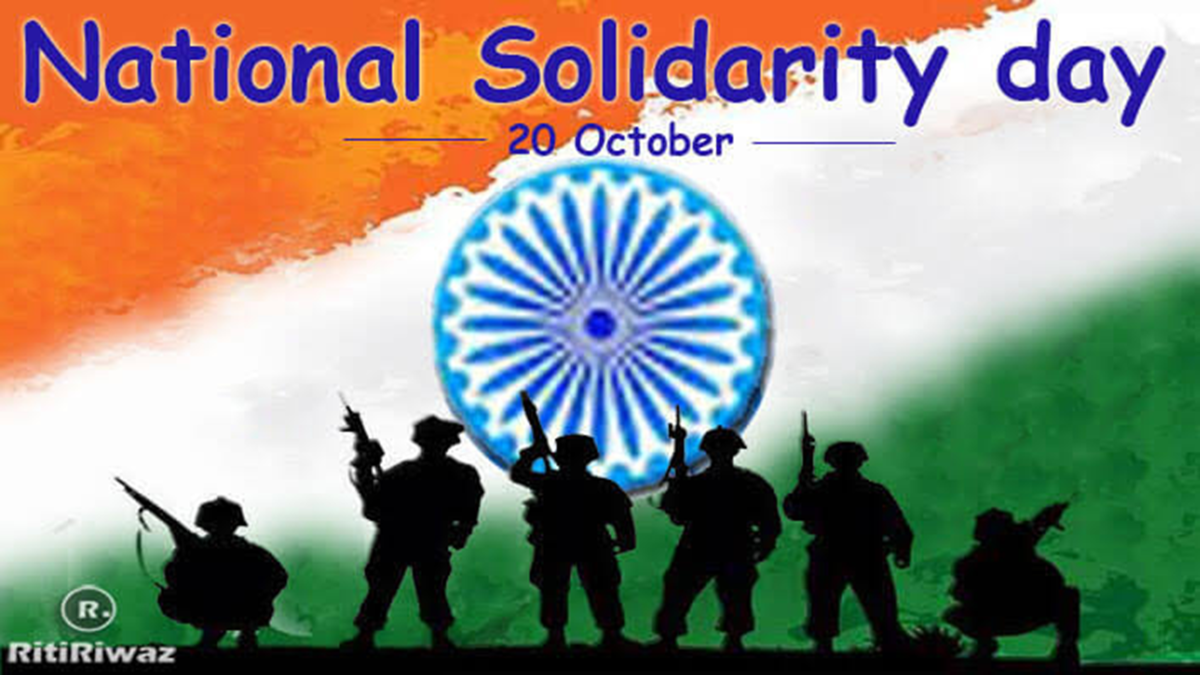
National Solidarity Day (Rashtriya Ekjutata Diwas) is observed in India every year on October 20th. The purpose of this day is to highlight the importance of the nation's unity, integrity, and security. On this occasion, the courage and sacrifices of the Indian soldiers who defended the country during the 1962 Sino-Indian War are remembered. Although India is home to diverse languages, religions, and cultures, all its citizens are part of one nation. This day serves as a reminder that everyone must stand together for the security and strength of the country.
October 20th was chosen for National Solidarity Day because it marks the date in 1962 when the war between India and China began. At that time, the Chinese army launched an attack along India's borders. Throughout the conflict, Indian soldiers fought to defend the nation amidst harsh weather and challenging conditions. By observing National Solidarity Day, the courage and sacrifices of these soldiers are honored. Furthermore, the day conveys a message to the people to uphold national unity and to support one another whenever the need arises.
How did the 1962 Sino-Indian War begin?
The 1962 war between India and China was sparked by a border dispute. The conflict commenced on October 20th and continued until November. The fighting primarily took place in the Aksai Chin region of Ladakh and the then-North-East Frontier Agency—known today as Arunachal Pradesh. Tensions regarding the border had existed between the two nations for some time, eventually escalating into a major military conflict in October 1962. During the war, Indian soldiers faced extremely difficult circumstances. This event is considered a significant turning point in Indian history, and National Solidarity Day is rooted in this historical context.
When did the observance of this day begin?
The formal observance of National Solidarity Day is traced back to 1966, a time when Indira Gandhi was the Prime Minister of India. An initiative, spearheaded by a committee, was launched with the aim of honoring the sacrifices of soldiers and strengthening the spirit of national unity among citizens. Subsequently, the tradition of observing October 20th as 'National Solidarity Day' (Rashtriya Ekjulta Diwas) was established. On this occasion, messages emphasizing unity and the integrity of the nation are conveyed through public events, gatherings, and programs in educational institutions. The objective is not merely to reflect on the past, but also to instill a sense of responsibility toward the nation in the present generation and those to come.
What is the significance of National Solidarity Day?
The primary significance of this day lies in fostering a spirit of unity and brotherhood among the people of the country. Although India is home to diverse languages, religions, traditions, and cultures, a shared national identity binds all its citizens together. National Solidarity Day serves as a reminder that, despite any internal differences, the national interest must always take precedence. This day also provides an opportunity to honor the courage and dedication of the Indian Armed Forces. Soldiers guarding our borders work to ensure the nation's security under challenging conditions; acknowledging their contributions helps cultivate a sense of respect, responsibility, and national consciousness among citizens.
How can it be observed in schools and colleges?
In schools and colleges, National Solidarity Day can be marked by organizing activities such as speeches, essay writing competitions, quizzes, and poster-making contests for students. Teachers can educate students about the 1962 India-China war, the contributions of Indian soldiers, and the importance of national unity. Through group discussions, it can be explained how people from diverse linguistic and cultural backgrounds come together to strengthen the nation. Students can create artwork centered on national unity or share their own perspectives. These activities aim to foster not only patriotism but also values like tolerance, cooperation, and respect for others.
What lessons do students learn from this day?
National Solidarity Day teaches students that unity should not be limited to specific ceremonies or special occasions; it can—and should—be practiced in everyday life. Respecting classmates from diverse backgrounds, helping those in need, and avoiding discrimination are practical examples of solidarity. Students can further strengthen this spirit by working in groups, listening to others, and resolving differences peacefully. Understanding the nation’s history is also essential, as it highlights the critical importance of collective effort during challenging times. Such lessons help shape responsible individuals.
What is the difference between National Solidarity Day and National Unity Day?
National Solidarity Day and National Unity Day are distinct observances. National Solidarity Day is commemorated annually on October 20, in the context of the 1962 India-China War. In contrast, National Unity Day is celebrated on October 31, the birth anniversary of Sardar Vallabhbhai Patel. National Unity Day honors Patel’s contribution to the integration of the princely states and the unification of India. While both days share the overarching theme of national unity, they stem from different historical backgrounds and serve different purposes. It is, therefore, important to understand these dates and their respective significance—especially for students and those preparing for competitive examinations.
What is the core message of National Solidarity Day?
National Solidarity Day reminds us that a nation's strength lies in the unity, cooperation, and shared responsibility of its citizens. Observed on October 20th—a date that recalls the historic events of the 1962 conflict—this day honors the courage and sacrifices of Indian soldiers. It serves as a reminder for citizens to remain vigilant regarding the nation's sovereignty, integrity, and social harmony. The significance of this day can be discussed in schools, colleges, and within families to help children understand the true meaning of unity. The ultimate objective of national solidarity is for everyone to work together toward the country's progress and security, while respecting its inherent diversity.
Disclaimer: This content has been sourced and edited from Amar Ujala. While we modified it for clarity and presentation, the original content belongs to its respective authors and website. We do not claim ownership of the content.
