
Intermediate System: The Intermediate System to be Abolished in This State—Why Was This Decision Taken?
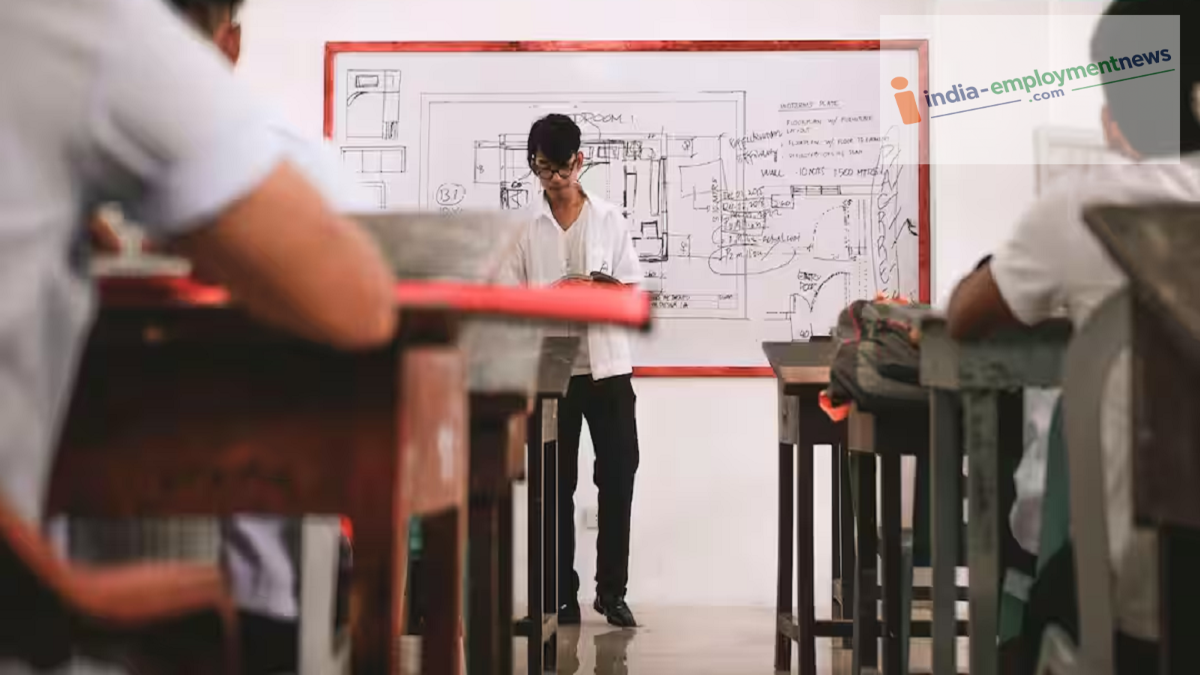
Students will no longer need to attend separate junior colleges for classes 11 and 12. The Telangana government is preparing to introduce education up to class 12 within schools themselves. Find out when this new policy will come into effect.
A major shift in school education is on the horizon. The Telangana government has decided to abolish the separate 'Intermediate' system, which has been in place for nearly 55 years. Chief Minister A. Revanth Reddy has directed officials to prepare for the implementation of a 10+2 school structure, similar to the CBSE and ICSE models. Under this new arrangement, classes 11 and 12 will be conducted within schools rather than in separate junior colleges. The government aims to roll out this system starting from the 2027-28 academic session. Before its implementation, the proposal will be discussed with relevant stakeholders and in the Legislative Assembly.
What Will the New Education System Look Like?
The new system aims to bring education from nursery through class 12 under a single school framework. Currently, students in Telangana attend school up to class 10, after which they enroll in separate intermediate or junior colleges for classes 11 and 12. This will change under the new system. The government plans to divide the educational stages into three segments: the first covering nursery to class 4, the second covering classes 5 to 8, and the third covering classes 9 to 12. In other words, students will not need to move to a separate college after class 10; they will be able to continue their studies within the same school system.
Why Was This Decision Taken?
The government believes that many students drop out of the education system because they are required to enroll in separate junior colleges after completing Class 10. The costs associated with attending a new college, along with other challenges, often act as barriers. Girls, in particular, and students from economically disadvantaged families frequently face difficulties in continuing their education. Providing schooling up to the 12th grade within the same institution will offer significant support to such students. Furthermore, many private junior colleges impose the additional pressure of preparing for engineering and medical entrance exams alongside regular coursework; the government aims to alleviate this burden. The new system is designed to provide students with the opportunity to pursue further education and acquire essential skills within the school environment itself.
What will be the impact on teachers' jobs?
Following this transition, the separate systems of the School Education Department and the Intermediate Education Board are set to be integrated. This will allow academic activities and related functions to operate under a unified framework. Junior college lecturers have expressed concerns regarding this decision; however, the Chief Minister has assured them that the jobs of existing lecturers and other staff—as well as their post-retirement benefits—will remain unaffected. The government has decided to postpone the implementation from the 2026-27 academic year to 2027-28, allowing sufficient time for necessary discussions and preparations.
