
Independence Day 2026: Why does the Prime Minister hoist the Tricolour at the Red Fort on August 15?
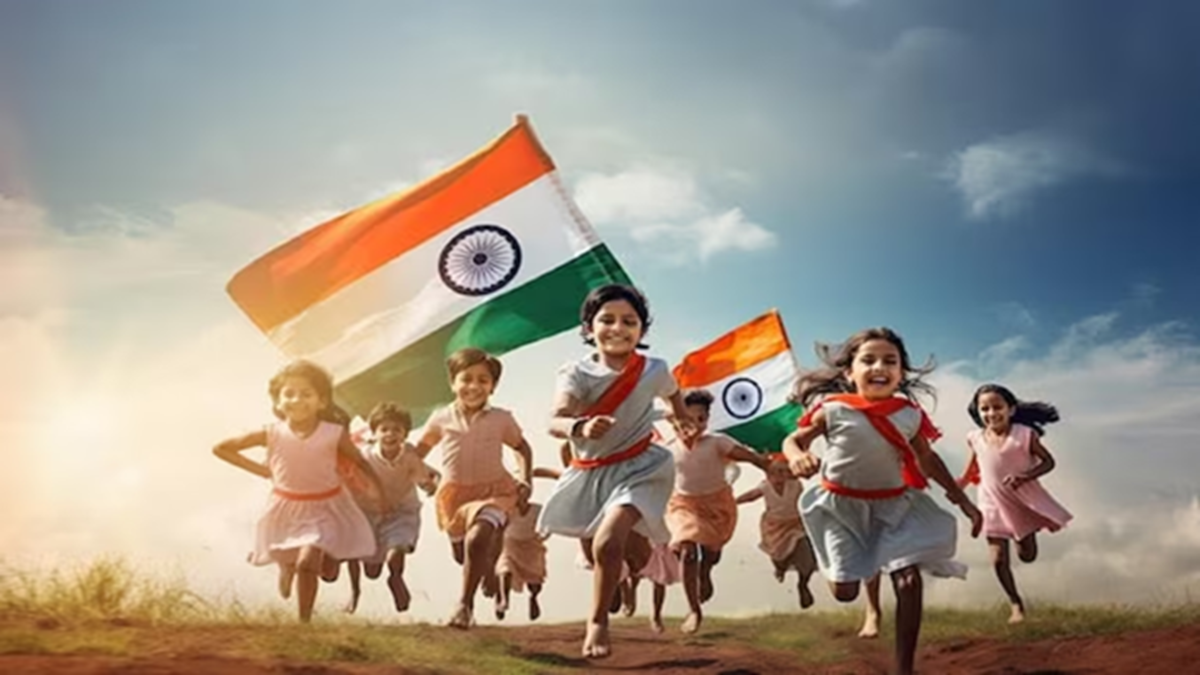
Independence Day 2026: Every year on August 15, the Prime Minister of India hoists the Tricolour at the Red Fort. This moment commemorates the freedom gained after a long struggle against the British and unites the nation in celebrating Independence Day. But have you ever wondered why it is the Prime Minister who hoists the flag on August 15, whereas the President hoists it on Republic Day? While both ceremonies may appear similar, they represent two distinct milestones in the history of independent India.
On Independence Day (August 15), the Prime Minister hoists the national flag at the Red Fort. On Republic Day (January 26), the President hoists the Tricolour at Kartavya Path. The difference lies in what the two days signify: India's independence in 1947 and the adoption of the Constitution in 1950.
Why does the Prime Minister hoist the flag on Independence Day?
August 15 marks the day India gained independence from British rule in 1947. The flag-hoisting ceremony at the Red Fort symbolizes India's freedom following a prolonged struggle against British rule. In independent India, the country's first Prime Minister, Jawaharlal Nehru, hoisted the national flag above the Lahori Gate of the Red Fort in Delhi. Since then, it has been customary for the Prime Minister to hoist the flag and address the nation on Independence Day. The Prime Minister hoists the flag from below the flagpole, followed by the playing of the national anthem. This ceremony is a key tradition of Independence Day and is observed across the country.
The President hoists the Tricolour on Republic Day
Republic Day marks another significant moment in the history of independent India. On January 26, 1950, the Constitution of India came into effect—replacing the Government of India Act, 1935—and India became a republic. This day commemorates the adoption of the Constitution and is celebrated annually as one of India's major national events. On this occasion, the President hoists the national flag at Kartavya Path. The flag is already tied to the top of the flagpole and is unfurled during the ceremony. This event is followed by the Republic Day parade, which showcases India's cultural diversity, military might, and national achievements.
Key differences between the two events
Both August 15 and January 26 are national days that hold a significant place in India's history. Independence Day, celebrated annually on August 15, marks India's freedom from British rule in 1947. In contrast, Republic Day, celebrated on January 26, commemorates the implementation of the country's Constitution.
The flag-unfurling ceremony performed by the Prime Minister on August 15 is linked to the nation's independence and the struggle to achieve it. The flag-unfurling ceremony performed by the President on January 26 is associated with India's constitutional and republican identity.
Disclaimer: This content has been sourced and edited from Money Control. While we have made modifications for clarity and presentation, the original content belongs to its respective authors and website. We do not claim ownership of the content.
