
IIT Delhi ranks number 1 in the country and enters the global top 200, securing the 194th position in sustainability rankings..
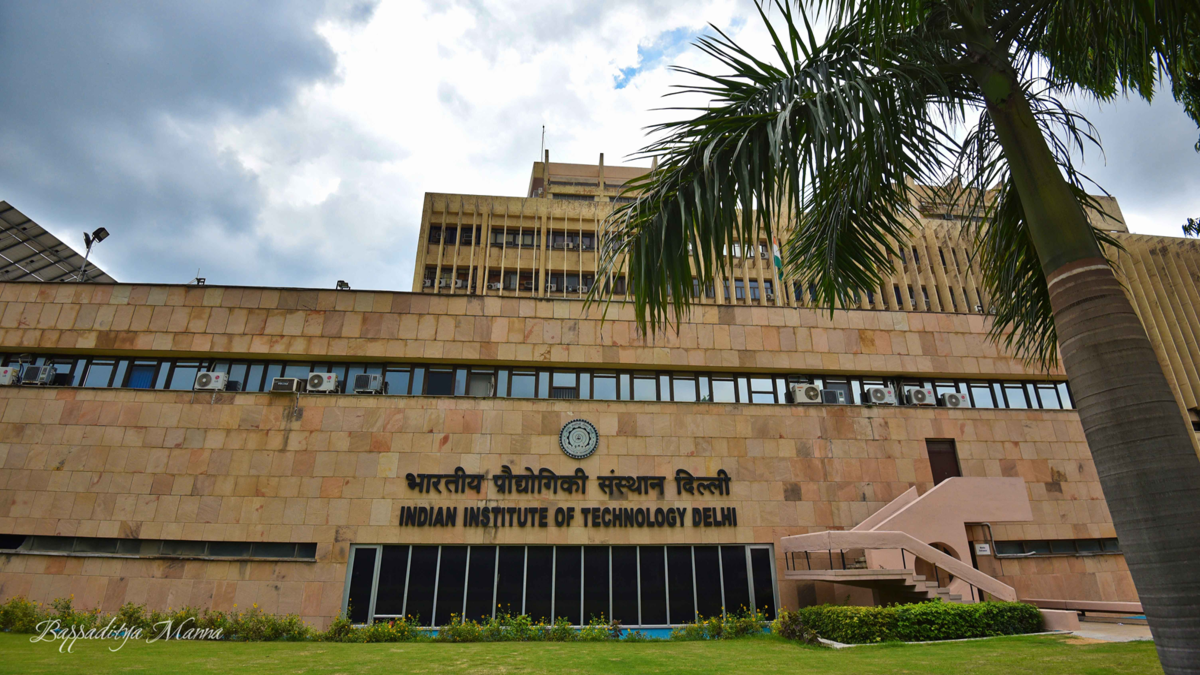
IIT Delhi in QS Sustainability Rankings: IIT Delhi, one of the nation’s premier educational institutions, has achieved another significant milestone. The institute has secured the top position in India in the ‘QS World University Rankings: Sustainability 2024.’ Furthermore, IIT Delhi has entered the list of the world’s top 200 universities, ranking 194th globally—an improvement of 11 places compared to last year. In Asia, it has climbed five spots to reach the 19th position.
Improvement in Sustainability Score
According to IIT Delhi, its overall sustainability score has risen from 83.1 to 86.5. This ranking reflects the institute’s ongoing commitment to environmental protection and the efficient use of resources. Several initiatives are underway on campus, including the promotion of solar energy, reduction of electricity consumption, water conservation, effective waste management, and the development of eco-friendly transport facilities. IIT Delhi is also researching critical topics such as climate change, clean energy, and the optimal utilization of resources.
Partnership with the International Solar Alliance (ISA)
This year, the institute partnered with the International Solar Alliance (ISA) to develop a framework aimed at expanding the use of solar energy and providing training to young people in this sector.
Special Task Force for a ‘Green Campus’
Prof. Somnath Baidya Roy of the institute noted that sustainable development is a key priority for IIT Delhi, with the institution also leading in academic and research efforts within this field. He explained that a special task force has been established to make the campus more eco-friendly. This task force collaborates with various departments to formulate plans and continuously monitor their implementation.
A Model for Water Conservation, Waste Management, and Clean Energy
He added that the improvement in the global ranking is a direct result of these concerted efforts by the institute. IIT Delhi is actively promoting the use of clean energy on its campus. Efforts are underway to increase the generation of renewable energy and reduce electricity consumption. To conserve water, the institute has implemented measures such as rainwater harvesting, groundwater recharge, and the reuse of wastewater. Furthermore, there is a strong emphasis on waste segregation, composting organic waste, and recycling reusable materials.
'Net Zero India Project' and the 2070 Grand Goal
The campus is also promoting eco-friendly transportation. The institute aims to achieve 'net zero' water usage and prevent waste from reaching landfills. Under the 'Net Zero India Project'—led by the institute's School of Public Policy and conducted in collaboration with Schmidt Sciences—research is being carried out to determine how India can reach its goal of net-zero emissions by 2070.
Global Technology and Collaboration with Delft University of Technology
To this end, technical options are being studied, taking into account the specific needs of various sectors across the country. Additionally, IIT Delhi has partnered with the Delft University of Technology in the Netherlands. Both institutions are working on solutions to mitigate the impact of urban flooding and extreme heat, develop climate-resilient infrastructure, and innovate in the energy sector.
Centre of Excellence with Jindal Steel
In collaboration with Jindal Steel, a Centre of Excellence is being established to foster research, develop new design techniques, and promote skill development in the field of structural steel. Beyond environmental conservation, IIT Delhi is also focused on social development; the institute is contributing to initiatives such as enhancing facilities for persons with disabilities, promoting gender equality, and fostering rural development.
Unnat Bharat Abhiyan and the Model of Rural Development
As the national coordinating institution for the Unnat Bharat Abhiyan, it works in collaboration with other higher educational institutions across the country and with rural communities. Through this initiative, efforts are being made to find sustainable solutions to challenges related to energy, water, and livelihoods in villages.
Disclaimer: This content has been sourced and edited from NDTV India. While we have made modifications for clarity and presentation, the original content belongs to its respective authors and website. We do not claim ownership of the content.
