
"I will not allow anyone to defame the institution," CJI said in the chapter on the judiciary in the NCERT book.
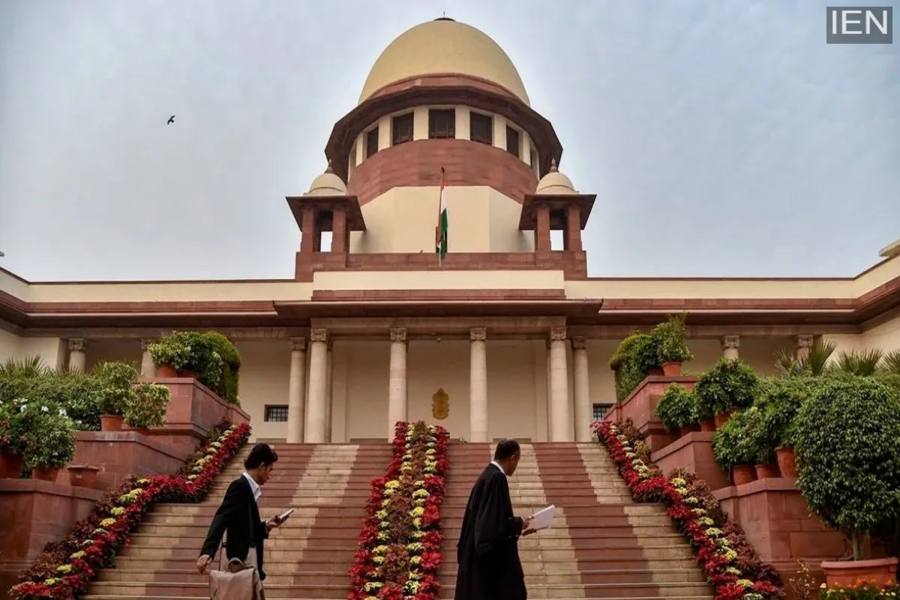
On Wednesday, the Supreme Court took suo motu cognizance of the content written about corruption in the judiciary in an NCERT textbook for Class 8, calling it a matter of "serious concern." Senior lawyers Kapil Sibal and Abhishek Manu Singhvi raised the issue in the Supreme Court. They said it was a matter of grave concern that young children were being taught about corruption in the judiciary during their studies. CJI Surya Kant stated that he was fully aware of the matter and that many judges were also disturbed by the book's content. He stated that he had taken suo motu cognizance of the issue and passed an order. The CJI said, "I will not allow anyone to defame the institution. The law will take its course."
The Chief Justice stated in a stern tone that he would not allow anyone to tarnish the image of the judiciary. No matter how high-ranking a person is, the law will take its course. Appropriate action will be taken in this matter.
'This appears to be a well-thought-out move.'
He said, "As the head of the institution, I have performed my duty and taken cognizance of the matter. This appears to be a well-thought-out move. I will not say much." Justice Bagchi said that the book appears to be against the basic structure of the Constitution.
'I will look into this matter myself.'
The CJI said, "Please wait for a few days. The bar and the bench are all upset. All the High Court judges are upset. I will look into this matter myself. I will not allow anyone to defame the institution. The law will take its course." Later, Justice Kant said that the Supreme Court has taken suo motu cognizance of the matter. According to the new Class 8 Social Science NCERT textbook, corruption, a huge backlog of cases, and a lack of adequate number of judges are among the "challenges" facing the judicial system.
The new book, in its section on "Corruption in the Judiciary," states that judges are bound by a code of conduct that governs not only their behavior in court but also their behavior outside court.
