
How to Become a Graphic Designer After 12th: Courses, Exams, Skills and Career Guide
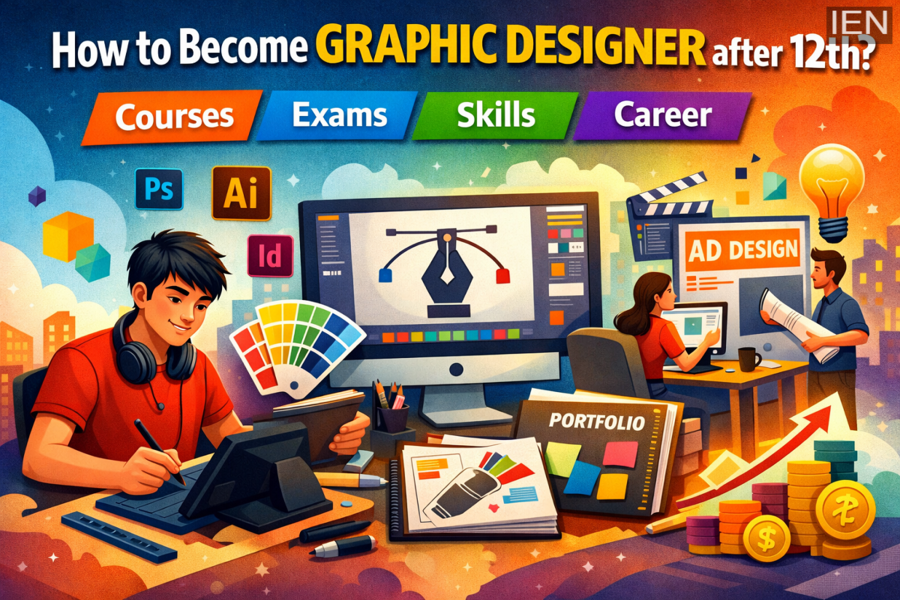
In today’s fast-growing digital world, graphic design has emerged as one of the most creative and in-demand career options. From social media posts and advertisements to websites and mobile apps, visual content plays a key role in communication—and this is where graphic designers come in.
If you enjoy working with colors, creating designs, or expressing ideas visually through a computer, then graphic design can be an excellent career path after completing your 12th. Here’s a complete guide covering courses, entrance exams, skills, and salary prospects to help you get started.
What is Graphic Designing?
Graphic designing is the art of combining images, typography, colors, and layouts to create visually appealing content. The goal is to communicate a message effectively through design.
Graphic designers use tools like Adobe Photoshop, Illustrator, InDesign, and Canva to create:
-
Logos and brand identities
-
Social media creatives
-
Website layouts
-
Magazine covers and advertisements
-
Marketing and promotional materials
This field blends creativity with technology, making it ideal for those who enjoy both art and digital tools.
Courses to Pursue After 12th
After completing your 12th, you can choose from various courses based on your career goals and time availability:
1. Bachelor’s Degree (3–4 Years)
-
B.Des (Bachelor of Design)
-
BFA (Bachelor of Fine Arts)
These programs offer in-depth knowledge of design principles, software skills, and industry exposure. They are ideal for students who want to build a strong foundation in graphic design.
2. Diploma Courses (6 Months to 1 Year)
Diploma courses are perfect for those who want to enter the job market quickly. These courses focus on practical skills and software training.
3. Certificate Courses (3–6 Months)
Short-term certificate courses focus on specific tools like Photoshop, CorelDRAW, or Illustrator. These are suitable for beginners or those looking to upgrade their skills.
Entrance Exams for Top Design Colleges
If you aim to study at top institutes in India, you may need to clear entrance exams such as:
-
UCEED (Undergraduate Common Entrance Exam for Design)
-
CEED (Common Entrance Exam for Design)
-
NID DAT (National Institute of Design Aptitude Test)
-
NIFT Entrance Exam (for fashion-related design courses)
Some private colleges also offer admission based on 12th marks or their own aptitude tests.
Step-by-Step Guide to Become a Graphic Designer
1. Learn Design Tools
Start by mastering industry-standard software like:
-
Adobe Photoshop
-
Adobe Illustrator
-
Adobe InDesign
These tools are essential for creating professional designs.
2. Build a Strong Portfolio
Your portfolio is the most important asset in this field. Create and showcase your best work, including logos, posters, and digital designs. Employers often prioritize skills over degrees.
3. Gain Practical Experience
Internships during or after your course can help you understand real-world projects and workflows. It also boosts your resume.
4. Choose a Specialization
As you grow, you can specialize in areas such as:
-
Logo and branding design
-
Web and UI/UX design
-
Motion graphics and animation
Specialization helps you stand out in a competitive market.
Career Opportunities in Graphic Design
Graphic designers are in demand across multiple industries, including:
-
Advertising agencies
-
IT and tech companies
-
Media and publishing houses
-
Film and entertainment industry
-
Digital marketing firms
You can also work as a freelancer, taking projects from clients worldwide and working independently.
Salary of a Graphic Designer in India
The salary of a graphic designer depends on skills, experience, and expertise. On average:
-
Freshers: ₹25,000 to ₹40,000 per month
-
Mid-level professionals: ₹50,000 to ₹80,000 per month
-
Experienced designers: ₹1 lakh+ per month or higher
Freelancers can earn even more depending on their client base and project quality.
Final Thoughts
Graphic design is a dynamic and rewarding career for creative individuals. With the right skills, tools, and portfolio, you can build a successful career in this field even after completing your 12th.
Whether you choose a degree, diploma, or short-term course, continuous learning and practice are key to staying ahead in the design industry. If you are passionate about creativity and visual storytelling, graphic design can open doors to endless opportunities.
