
How does recruitment into the Army's infantry take place? How rigorous is the training? Learn about the selection process..
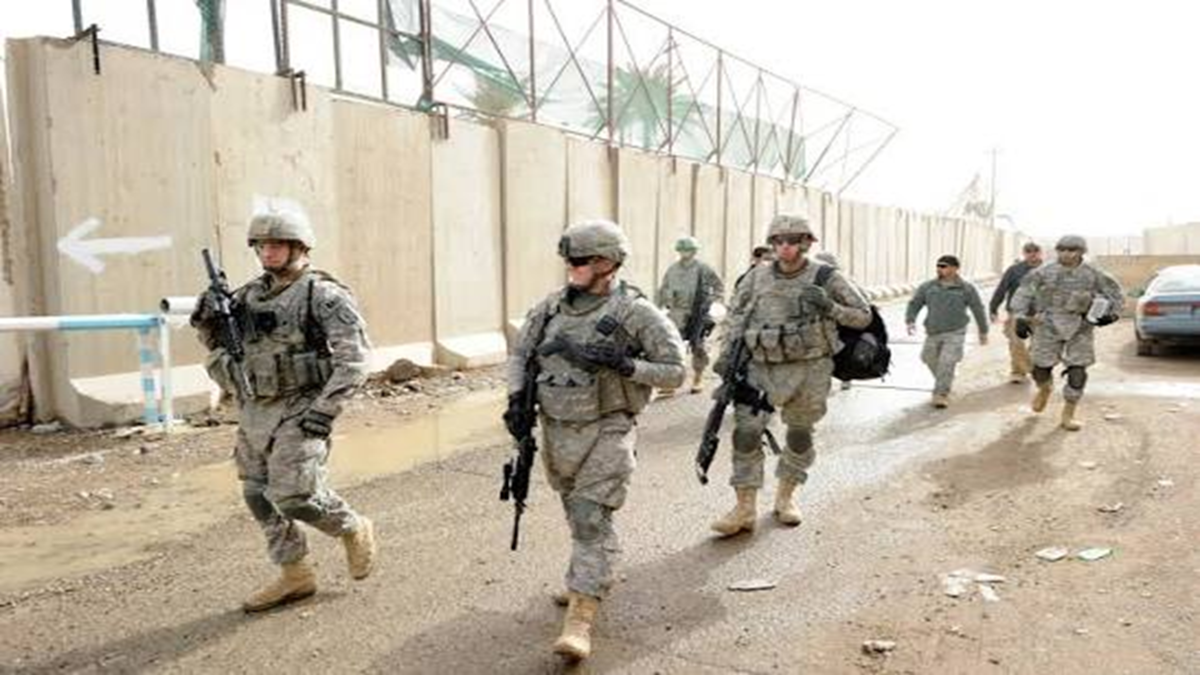
Many young people dream of serving their country and wearing an army uniform. Within the Indian Army, the infantry—or foot soldiers—plays a vital role. Soldiers in this unit are trained to operate in diverse conditions, navigate challenging terrain, and stand firm against the enemy. On the occasion of 'Shaurya Diwas' (Day of Valour), let us explore how one can join the infantry, the educational requirements, and the journey from the selection process to training.
What are the duties in the infantry?
The infantry consists of the army's foot soldiers, who play a crucial role in ground-based military operations. They are trained to operate in varied environments, including mountains, forests, plains, and under difficult weather conditions. This role demands not only physical strength but also discipline, courage, the ability to work in coordination with a team, and the capacity to make quick, sound decisions. Joining the infantry requires more than just enlistment; one must also be prepared to undergo rigorous training and fulfill specific responsibilities.
How can one join as an 'Agniveer'?
Recruitment for soldier-level positions in the Indian Army can be pursued through the 'Agniveer' scheme. Depending on the specific post, candidates must have passed the 10th or 12th grade from a recognized board. Generally, the age limit is between 17.5 and 21 years; however, the precise age and educational requirements should be verified against the specific recruitment advertisement. Physical standards may also vary based on the post and the region. Therefore, it is essential to read the official notification before applying to ensure there are no errors regarding age, educational qualifications, or physical eligibility.
What are the stages of the selection process?
The selection process for the Agniveer scheme typically begins with an online written examination. Following this, candidates must undergo a physical efficiency test, which may include activities such as running, pull-ups, and other physical exercises. Following this, a medical examination is conducted to assess the candidate's health and fitness against established standards. The final selection process proceeds only after these stages are completed. Since the rules and stages of selection may vary depending on the type of recruitment, candidates should always check the latest information provided on the official Army recruitment website.
How rigorous is the training?
Army training places a strong emphasis on physical capability, discipline, and mental fortitude. Personnel are trained in running, physical exercises, teamwork, and how to handle themselves in challenging situations. They are also instructed on the rules and responsibilities inherent to military life. Training for the infantry, in particular, demands sustained hard work and discipline. The duration of training for 'Agniveers' and the subsequent procedures are determined by the specific recruitment and training framework; therefore, it would be inaccurate to assume a single, uniform duration for all candidates.
How can one join the Army as an officer?
Young individuals aspiring to become officers in the Army may consider pathways such as the National Defence Academy (NDA) or the Combined Defence Services (CDS) examination. Eligibility for the NDA requires the completion of Class 12 and meeting specific age criteria. Through the CDS, graduates can apply for entry into the respective military academies.
These pathways involve a written examination, followed by an assessment and interview by the Services Selection Board (SSB). Upon completion of training, individuals are commissioned into the Army and assigned responsibilities in accordance with established regulations. Please verify the current requirements regarding age, educational qualifications, and selection criteria through the official notification.
Disclaimer: This content has been sourced and edited from Amar Ujala. While we modified it for clarity and presentation, the original content belongs to its respective authors and website. We do not claim ownership of the content.
